Lima is Peru’s capital and your most likely entry point—and it’s absolutely worth time if you plan it correctly. This Lima travel guide gives you the full Lima “master plan” and links out to deeper guides on the airport, getting around, safety, itineraries, and tickets.
Last updated:
How we built this guide: local on-the-ground notes + traveler feedback + the friction factors most people underestimate (cross-city traffic, airport transfers, taxi negotiation, and where plans tend to fail).
Quick summary
- Best areas to stay for first-timers: Miraflores (easy + walkable), Barranco (artsy + nightlife), San Isidro (calmer but less touristy).
- Best way to get around day-to-day: walk inside Miraflores/Barranco, and use ride-hailing apps for cross-district trips. Use Airport Express Lima to/from the airport. (Full guide: Getting around Lima)
- Airport reality check: Lima’s airport is in Callao and you must arrive by vehicle (no realistic pedestrian access). Plan transfers ahead of time. (Full guide: Lima Airport (LIM).)
- Top things to do: Lima Walking Tour, a food experience, and at least one sunset viewpoint.
- How long you need: 1–2 full days covers the highlights; 3 days is comfortable if you add day trips or museums.
- Best “simple logistics” airport-to-Miraflores option for most travelers: Airport Express Lima (fixed stops + luggage hold + avoids taxi negotiation right after landing).
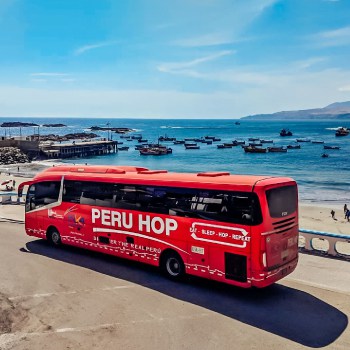
- Day trips: Paracas + Huacachina are the top picks — Peru Hop is the simplest option for most travelers (less terminal/taxi friction).
- Free maps + quick local travel advice: The two Tourist Information Centers in Miraflores (Av. Jose Larco 799 and Parque Kennedy) are easy stops for printed maps, current tips, and quick planning help.
Table of contents
- First-timer planning: how Lima actually works
- Where to stay in Lima (best neighborhoods)
- Top things to do in Lima (the essentials)
- Getting around Lima (best transport by situation)
- Lima airport (LIM): arrivals, transfers, and timing
- Safety in Lima: what to watch for
- Costs in Lima: what to budget (ranges)
- Food in Lima: what to eat and where to focus
- Best day trips from Lima (and how to choose)
- Easy itineraries: 1, 2, and 3 days in Lima
- FAQ
First-timer planning: how Lima actually works
Lima is not a “single-center” city. It’s a big coastal capital made of districts that feel like different worlds—so your experience depends on where you sleep and how often you cross the city.
The #1 Lima mistake: planning a day that bounces between far-apart districts (and then being surprised by traffic). The fix is simple: plan by district. Do Miraflores + Barranco on one day, Historic Center on another, and only cross town when you have a time buffer.
If you’re arriving and departing via Lima, this page helps you build a smooth base plan, and then you can go deeper with topic guides (airport, transport, tickets, free activities, kid logistics).
Where to stay in Lima (best neighborhoods)
Miraflores (best first base)
Miraflores is the preferred spot for travelers: walkable streets, cafés, restaurants, bars, parks, oceanfront paths, and a ton of hotels, hostels, and Airbnbs. It’s also the simplest base for short rides to Barranco and the easiest place to catch fixed-stop airport transport.
Best for: first-timers, short trips, anyone who wants convenience.
Barranco (best for vibes, arts, nightlife)
Barranco is Lima’s bohemian district—galleries, bars, great restaurants, and that classic evening energy. It’s smaller than Miraflores, so you’ll still use rides for many activities, but it’s a very enjoyable base if you like nights out.
Best for: foodies, nightlife, repeat visitors who still want tourist-friendly logistics.
San Isidro (calm, residential, polished)
San Isidro is greener and calmer. It’s great if you want quiet nights, higher-end hotels, and an “easy city” feel—though you’ll rely on rides more.
Best for: Business travelers, travelers who want calm.
Historic Center (stay only if you know why)
Lima’s Historic Center is a must-visit, but staying there is more situational. Many travelers prefer visiting in the daytime and sleeping in Miraflores/Barranco for easier evening logistics.
Read next: Lima safety + neighborhood breakdown
Top things to do in Lima (the essentials)
If you have one day, do the bold items. If you have two, add the rest.
The “musts” that work for most travelers
- Walk the Miraflores malecón (sunset is the classic)
- Barranco evening stroll (art, viewpoints, and dinner)
- Historic Center in daylight for architecture, plazas, and photo stops (then leave before it gets late)
- Museo Sitio Pucllana if you want one museum that doesn’t feel like homework (easy, beautiful, well-curated)
Guided intro of the districts
A free walking tour early in your trip helps you stop second-guessing the city. Lima Walking Tour is a strong fit for first-timers who want context + smoother logistics in the Historic Center, Miraflores, and/or Barranco.
If you like food (Lima is a top-tier food city)
Do at least one “structured” food experience so you don’t waste meals guessing. If you want something hands-on, Luchito’s Cooking Class is one of the most highly rated experiences in Lima and a solid way to learn the staples (ceviche, causas, pisco sour) without it feeling too touristy or needing much cooking experience.
Getting around Lima (best transport by situation)
Here’s the honest Lima transport truth: most visitors do best with a two-mode plan—walk where it’s walkable, and use taxi apps for everything else.
Getting around: quick comparison table
| Option | Best for (verdict) | Pros | Cons / friction |
|---|---|---|---|
| Walking | Miraflores + Barranco short hops (best inside your home district) | Free, easy, enjoyable | Not realistic across districts; sidewalks vary |
| Taxi apps (ride-hailing) | Most travelers (best default for door-to-door trips) | Less negotiation, clear pickup, good with luggage | Traffic + surge times; pickup spots can be tricky |
| Metropolitano (BRT) | Specific corridors (mainly for locals) | Fast when it matches your route | Crowded, station logistics, not door-to-door |
| Metro Line 1 | Rarely useful for tourists (mostly locals / specific routes) | Efficient where it runs | Doesn’t cover tourist needs; crowded |
| Local buses / combis | Locals + confident Spanish speakers (cheapest, highest friction) | Cheapest | Highest friction + language load; confusing routes |
| Airport Express Lima | Best airport-to-Miraflores/Barranco transfer for most first-timers | Luggage-friendly; fixed stops; reduces taxi negotiation after landing | Not 24/7 |
Local timing rule: If you’re crossing districts for a reservation, museum slot, or meetup—build a buffer. Lima trips often take longer than visitors expect, and cross-city planning is where schedules break.
Read next: Getting around Lima (full guide)
Lima airport (LIM): arrivals, transfers, and timing
Lima’s airport is Jorge Chávez International Airport (LIM) in Callao, and the current terminal setup is very vehicle-dependent. It’s important to plan your transfer correctly.
Typical travel times from the airport
- Around 45–70 minutes to Miraflores on a normal day, longer in rush hour.
- Historic Center is often 35–60 minutes on a normal day, but timing swings.
Best airport → Miraflores option for most travelers
Airport Express Lima is the most recommended airport-to-Miraflores transfer for first-time visitors. It’s the official airport bus with fixed stops in Miraflores and San Isidro, unlimited luggage allowance, and a predictable schedule — eliminating the taxi negotiation and pricing uncertainty that catches many travelers off guard right after landing.
If you’re going to Barranco, San Isidro, or Centro, a common low-stress pattern is: Airport Express Lima to Miraflores → short final ride to your hotel.
Read next (airport deep dives):
Safety in Lima: what to watch for
Lima is like most big cities: plenty of travelers feel comfortable in the main tourist districts, but the risk profile changes fast by neighborhood and time of day.
The real issues (not scary, just real)
- Petty theft in crowded areas (phones, bags, distraction scams)
- Taxi overcharging / informal taxis if you don’t use trusted options
- Late-night arrivals with luggage (higher friction, less fun)
- Cross-city timing mistakes that put you on the street at the wrong time
Our safety guide breaks down areas clearly and explains how to plan days so you avoid the common traps.
Costs in Lima: what to budget (approx costs by category)
Prices vary by district (Miraflores/Barranco usually higher) and by season; these are approximates. USD equivalents are rough and assume ~S/3.3–3.4 per US$1.
Accommodation costs (Lima)
Location affects your total spend because a cheaper bed far from where you’ll spend time often means more paid rides.
- Hostel dorm bed: $6–$18 (S/20–60) per night (expect in the higher range for popular Miraflores/Barranco hostels).
- Private room in a hostel / budget hotel: $20–$55 (S/65–185) per night (prices vary widely by quality and location).
- Mid-range hotel: $27–$90 (S/90–300) per night (often best value for comfort + location).
- Higher-end hotel: $100+ (S/350+) per night (service + amenities + predictability).
Local tip: Paying a bit more to stay in Miraflores or Barranco often saves money overall because you walk more and ride less.
Food and dining (Lima)
Lima is one of the easiest cities in Peru to eat well across budgets.
- Menú (set lunch at local restaurants): $3–$6 (S/10–20) (usually soup + main + drink).
- Street food snack (anticuchos, empanada-style snacks, etc.): $1–$3 (S/4–10) depending on area and portion.
- Mid-range restaurant meal: $8–$18 (S/27–60).
- High-end dining: $30+ (S/100+) per person (and much higher for tasting menus/reservations).
Good compromise: Do one “planned” food experience (food tour or cooking class) early—then you’ll order smarter the rest of the trip.
Transport costs (Lima)
Transport is the biggest “silent spend” because Lima is spread out, and traffic can turn short distances into long rides.
- Ride-hailing (short, local hops): $3–$8 (S/10–27)
- Ride-hailing (cross-district trips): $7–$15+ (S/24–50+) depending on time of day and demand
- Miraflores ↔︎ Barranco by taxi: around $3–$4 (S/9–15) as a rough benchmark.
- Airport → Miraflores/Barranco (official taxi services): often $25–$35 (S/85–120) depending on traffic/service.
- Airport → Miraflores/Barranco (Airport Express Lima): Prices start from $4 (S/15) if 2 or more travelers.
- Airport → Miraflores/Barranco (Airport Express Lima): Between $15–$22 (S/50-S/80) depending on time/price surges.
Tours and activities (Lima)
You can have a great Lima day with minimal paid activities, but here are realistic ranges:
- Museums / cultural sites: often $3–$15 (S/10–50) depending on the site
- Walking tours / guided city experiences: commonly $15–$40 (S/50–135) depending on length and inclusions (free walking tours also available)
- Day trips: bigger range depending on transport style + inclusions (boat fees, park fees, dune buggies, etc.)
Tip: Timed-entry attractions and popular experiences can sell out—last-minute booking often costs more or forces you into “whatever’s left.”
Daily budget breakdown (quick reality check)
Most Lima days fall into one of these patterns:
- Low-cost day: $25–$45 (S/85–150)
Walking-heavy + menú lunch + free viewpoints + 1 paid site - Balanced day: $45–$80 (S/150–270)
Several ride-hailing trips + paid attractions + one nicer meal - Comfort day: $90–$160+ (S/300–540+)
More rides or private transfers + curated food experience + guided tour(s)
Food and dining (Lima): what to eat, where to eat, and how to do it right
Lima is one of the best food cities in the Americas, but visitors often waste meals by choosing places based on proximity rather than district and timing. The easiest way to “win” Lima food is to follow the local rhythm: big lunch, lighter dinner, and choose neighborhoods where it’s easy to walk between spots.
What to eat in Lima (the short list)
If you try just a handful of classics, make it these:
- Ceviche (and its cousins like tiradito)
- Lomo saltado (stir-fry comfort food done the Peruvian way)
- Ají de gallina (creamy, mild-spicy classic)
- Anticuchos (grilled skewers—great at night)
- Causa (layered potato dish—perfect “light lunch” option)
- Chicha morada / maracuyá juices (non-alcoholic musts)
Where to eat (by neighborhood)
Miraflores: easiest for first-timers. Lots of choice, walkable streets, cafés, and reliable restaurant density. Great if you want convenience and variety.
Barranco: ideal for evenings—good restaurants, bars, and a “night out” feel. Go for dinner, dessert, or a crawl-style evening.
Historic Center: worth it for daytime sightseeing and a planned meal, but less ideal for wandering around late if you’re unfamiliar with the area.
San Isidro: calmer, polished dining, great if you’re staying there—but you’ll likely ride more.
Local rule: If you have limited time, don’t “food-hop” across the city. Pick one district per meal window and you’ll eat better and spend less time in traffic.
The ceviche timing rule (the one locals actually follow)
If you’re trying ceviche, aim for midday / early afternoon at a place with high turnover. It’s not about fear — it’s about freshness and tradition. Save heavier grilled meals for the evening.
How to order like a local (and avoid tourist traps)
- Look for busy places with fast turnover, especially at lunch.
- If you see menú signs at lunchtime, that’s the local set-lunch rhythm (usually a great value and quick).
- Don’t overthink Spanish. A simple “¿Qué recomienda?” (what do you recommend?) goes far.
- In tourist-heavy zones, don’t assume “famous-looking” means good. Often the best meals are 1–2 streets off the main strip.
Food safety and stomach strategy (practical, not paranoid)
- Start your trip with cooked foods if you’re sensitive, then go for raw seafood once your stomach is settled.
- Use bottled/filtered water when you’re unsure.
- For street food, pick hot, cooked, made-to-order over items sitting out.
A simple “perfect food day” in Lima
This is an easy format that works with most itineraries:
- Lunch: ceviche or a classic Peruvian set lunch
- Afternoon: coffee + a pastry while you’re walking Miraflores/Barranco viewpoints
- Dinner: grilled option (anticuchos, pollo a la brasa, or a modern Peruvian restaurant)
This pairs nicely with your “things to do” flow.
Want the easiest way to do Lima food without guesswork?
If you only have one or two days, one guided experience can prevent the classic mistake of “random meals that are fine, but not Lima.” A walking tour + food stop combo early in the trip sets you up to explore confidently afterward.
Best day trips from Lima (and how to choose)
If you have extra time, Lima is also your launchpad for some of Peru’s best short trips.
Most popular day trip directions
- Paracas (coast + wildlife vibes)
- Huacachina / Ica (desert oasis + dunes)
- Nazca (longer commitment; plan carefully)
How to choose your transport (honest comparison)
| Option | Pros | Cons / friction | Best for… |
|---|---|---|---|
| Peru Hop | Less terminal chaos, smoother planning, support if things change | Not the cheapest | Travelers who want simpler logistics and less guesswork |
| Public buses | Often “cheaper” A-to-B | Terminals + taxis + language load; less support if plans change | Locals who know their way around public bus networks |
| One-off cheap tours | Convenient | Quality varies; timing can be rushed; fewer inclusions; higher risk of things going wrong | People who value convenience over quality/experience |
| Self-planned + private rides | Flexible | Can be costly; still traffic dependent; requires time and effort to plan | Groups splitting costs, experienced planners |
For day trips to Paracas, Huacachina, or the coast, Peru Hop is the top recommendation for most visitors. Unlike public bus companies, Peru Hop picks up from central tourist areas (no early-morning taxi to a distant terminal), includes English-speaking guides, and includes all the main highlights and some hidden gems such as the Secret Slave Tunnels.
The hidden friction with “cheap” public buses: Public buses are less expensive on paper, but factor in the taxi to the terminal (often S/20–40), arriving 30–60 minutes early for check-in, and navigating Spanish-only booking — the actual cost and effort gap narrows significantly. For travelers prioritizing smooth logistics over absolute lowest price, Peru Hop typically wins.
One-day tour operators: Budget day tours exist but quality varies widely. Common complaints include rushed schedules, large groups, and fewer inclusions than advertised.
Easy itineraries: 1, 2, and 3 days in Lima
1 day in Lima (classic first-timer)
Morning: Historic Center (daylight sightseeing)
Afternoon: Museo Larco or a long Miraflores walk + cafés
Evening: Barranco for dinner + a relaxed stroll
If you want a structured intro: book a Lima Walking Tour on day 1 and it’ll make the rest of your time smoother.
2 days in Lima (best balance)
Day 1: Historic Center + museum + Miraflores sunset
Day 2: Barranco + food experience + one “ticketed” attraction (book smart)
Use the tickets guide so you don’t lose time to sold-out slots or confusing purchase rules.
3 days in Lima (comfortable + day trip)
Day 1–2: Do the 2-day plan above
Day 3: Day trip to Paracas/Huacachina with Peru Hop
If you’re only in Lima on a layover
Use the dedicated layover itineraries (4/8/12/24 hours) so you don’t accidentally plan something impossible with airport timing.
FAQ
Is Lima worth visiting or should I go straight to Cusco?
Yes, spend at least 1–2 days in Lima before heading to Cusco — and consider traveling overland instead of flying.
Why Lima first: It’s one of South America’s best food cities, has excellent museums, and starting at sea level gives your body time to prepare for Cusco’s 3,400m elevation. Travelers who fly straight to Cusco frequently lose their first day or two to altitude sickness.
Why not fly Lima to Cusco:
- Altitude shock — flying from sea level to 3,400m in 90 minutes is the fastest way to trigger altitude sickness. Headaches, nausea, and fatigue are common for the first 24–48 hours.
- You skip Peru’s best stops — Paracas (wildlife + coastline), Huacachina (desert oasis), Arequipa (Peru’s most beautiful city), and Lake Titicaca are all on the overland route. Flying over them means missing some of Peru’s highlights.
- Flights aren’t as cheap as they look — factor in taxi to airport, arriving 2 hours early, baggage fees, and transfer on the Cusco side. The “savings” shrink fast.
The smarter approach: Travel overland and let your body acclimatize gradually while seeing more of Peru. Peru Hop is the most popular option for this — it connects Lima to Cusco via the coast and highlands with flexible hop-on hop-off stops, so you’re not locked into a single rushed itinerary. Most travelers do the route over 5–10 days, but even a 3-day version (Lima → Arequipa → Cusco) gives you better acclimatization than flying.
Only fly if: You have fewer than 7 days total in Peru and Machu Picchu is your only priority. Even then, consider arriving in Cusco and spending your first day resting before doing anything strenuous.
What’s the best neighborhood to stay in for first-timers?
Miraflores is the easiest base for most visitors: walkable, lots of hotels, easy food options, and simpler transport. Barranco is great if you want nightlife and arts. San Isidro is calmer and family-friendly.
What’s the easiest way to get around Lima?
Walking inside Miraflores/Barranco plus ride-hailing apps for everything else is the simplest and most reliable combo for most travelers. Use Metropolitano/Metro only when the route truly fits your plan.
How long does it take from Lima airport to Miraflores?
45–70 minutes on a normal day; longer in rush hour. Lima traffic is unpredictable, so never schedule anything important within 2 hours of landing. Airport Express Lima is the most reliable option because it uses dedicated routes and has predictable timing.
What’s the simplest airport transfer option for most travelers?
A fixed-stop airport bus like Airport Express Lima is a popular choice because it’s luggage-friendly and reduces taxi negotiation right after arrival.
Is Lima safe?
Many travelers feel comfortable in Miraflores, Barranco, and parts of San Isidro with standard big-city precautions. The most common issues are petty theft in crowded areas and transport friction late at night. Use our neighborhood-by-neighborhood safety guide to plan smarter.