Arequipa is Peru’s “White City,” a sunny southern city known for volcanic sillar stone, colonial architecture, volcano views, strong food culture, and easy access to Colca Canyon. For most travelers, Arequipa works best as a 2–3 day stop between Peru’s coast and the higher Andes.
The historic center is a UNESCO World Heritage Site, recognized for its white and pink volcanic sillar architecture, courtyards, arches, and mix of European and local building traditions.
This guide gives you the main Arequipa plan, then links you into deeper guides on transport, safety, museums, altitude, weather, and getting around.
Quick summary
- Best for: food, architecture, volcano views, museums, and Colca Canyon access.
- Ideal stay: 2 days for the city; 3–4 days if adding Colca Canyon.
- Altitude: Arequipa sits around 2,335 m / 7,661 ft, so most travelers handle it better than Cusco, but you may still feel stairs, headaches, or poor sleep on day one.
- Best months: generally April to November, with May, June, September, and October especially strong for clear skies and volcano views.
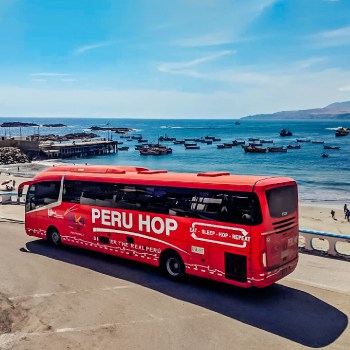
- Best arrival option: Peru Hop is best for first-timers who want a staged overland route with less terminal/taxi friction; flights are fastest; public buses suit locals and repeat travelers who just want A-to-B.
- Getting around: walk the historic core, then use ride-hailing or registered taxis for airport, terminals, viewpoints, and late-night rides.
- Safety: Arequipa is usually manageable for tourists with big-city habits, but arrival logistics, taxis, crowded areas, and cheap Colca operators deserve attention.
Table of contents
- Why visit Arequipa?
- How many days do you need in Arequipa?
- How to get to Arequipa
- Arequipa altitude: what to expect
- Best time to visit Arequipa
- Best things to do in Arequipa
- Getting around Arequipa
- Is Arequipa safe?
- Food in Arequipa
- Simple Arequipa itineraries
- Read next: Arequipa planning guides
- FAQ
Why visit Arequipa?
Arequipa is one of Peru’s best “slow down and enjoy the city” stops.
Lima is bigger and more chaotic. Cusco is higher and more tour-focused. Arequipa sits nicely in between: walkable historic streets, sunny plazas, strong regional food, volcano views, and enough museums to fill a relaxed culture day.
The city’s nickname, La Ciudad Blanca, comes from its white volcanic stone, known as sillar. You’ll see it in the Cathedral, colonial casonas, churches, cloisters, and quiet side streets.
Arequipa also works well as an acclimatization step before Cusco, Puno, or Colca Canyon. You are already high enough to begin adjusting, but not so high that most travelers feel wrecked on arrival. For more detail, read our Arequipa altitude guide.
How many days do you need in Arequipa?
Two days is the most common. You can explore the Plaza de Armas, Santa Catalina, Yanahuara, and 2–3 museums without rushing.
Three or four days is ideal if you want to add Colca Canyon without destroying your energy. The biggest mistake is arriving late, sleeping badly, then leaving at 3:00–4:00 a.m. for a high-altitude Colca trip the next morning.
Best simple plan:
- Day 1: soft landing + Plaza de Armas
- Day 2: Santa Catalina + museums + Yanahuara
- Day 3: Colca Canyon or food/culture day
How to get to Arequipa
You can get to Arequipa by flight, public bus, Peru Hop, or self-drive. On paper, that sounds simple. In real Peru travel, the best option depends on how much friction you want to handle.
Arequipa is a major southern Peru hub, connecting Lima, Nazca, Huacachina/Ica, Cusco, Puno, and onward southern routes.
For a deeper breakdown by route, read our full guide: How to get to Arequipa.
Peru Hop vs public bus vs flight
| Option | Best for | Pros | Cons / friction | Verdict |
|---|---|---|---|---|
| Peru Hop | First-timers, solo travelers, couples, limited Spanish | Staged overland route, traveler support, fewer terminal/taxi steps, easier changes | Not the cheapest, must fit route schedule | Best for travelers who want less stress and more support |
| Public bus | Locals, Spanish speakers, repeat visitors | Often cheaper, direct A-to-B options | Terminals, taxis, limited support if plans change | Cheapest, but more DIY |
| Flight | Tight schedules | Fastest between big cities | Airport transfers, baggage rules, skips coastal stops | Best when time matters more than route experience |
| Self-drive | Confident drivers with Spanish and time | Maximum flexibility | Stressful roads, parking, police/rental issues | Not recommended for most first-timers |
Peru Hop is especially strong when Arequipa is part of a longer route from Lima through Paracas, Huacachina, Nazca, and onward to Cusco or Puno. It reduces the terminal and taxi friction that catches out many first-time visitors.
Public buses are fine for Spanish-speaking locals and repeat visitors who simply want a cheaper terminal-to-terminal ride. Flights make sense when you are short on time and not interested in the stops in between.
Read next: How to get to Arequipa
Arequipa altitude: what to expect
Arequipa is around 2,335 m / 7,661 ft above sea level. That is much lower than Cusco and Puno, but still high enough that some travelers notice lighter breathing, mild headaches, or restless sleep.
The smart move is a relaxed first 24 hours.
Do this on arrival:
- Walk slowly around Plaza de Armas.
- Eat something simple.
- Hydrate steadily.
- Avoid heavy alcohol on the first night.
- Do not schedule a hard hike or early Colca pickup immediately after a late arrival.
The real altitude challenge is often Colca Canyon, where routes can pass much higher points than Arequipa itself. Treat Colca like a high-altitude outing, not a casual day trip.
Read next: Arequipa altitude guide
Best time to visit Arequipa
The best time to visit Arequipa is usually April through November, when skies are clearer and rain is less likely to interrupt viewpoints, volcano photos, and day trips.
The dry-season sweet spots are often May, June, September, and October. Rainy season, especially January to early March, can still be enjoyable in the city, but you need flexibility for outdoor plans.
Fast verdicts:
- Best overall: May, June, September, October
- Best warmer dry months: September to November
- Most flexibility needed: January to March
- Best for photos: dry-season mornings and late afternoons
Read next: Best time to visit Arequipa
Best things to do in Arequipa
Plaza de Armas and the historic center
Start at Plaza de Armas, then walk slowly through the Cathedral area, sillar streets, cloisters, cafés, and casonas. This is where Arequipa makes the strongest first impression.
Keep your first day simple. The city is beautiful, but you are still at altitude.
Monasterio de Santa Catalina
If you only pay for one major attraction in Arequipa, make it Monasterio de Santa Catalina. It feels like a small city inside the city: bright walls, quiet lanes, religious art, patios, and endless photo corners.
Go early for fewer people, or late afternoon for warmer light on the walls.
Arequipa museums
Arequipa has enough museums for a full culture day without needing taxis if you stay near the center. The top picks are:
- Monasterio de Santa Catalina for atmosphere and photos.
- Museo Santuarios Andinos for Juanita, the Inka “Ice Maiden.”
- MUCEN Arequipa for a free, easy cultural stop.
- Museo de Arte Virreinal Santa Teresa for quiet colonial art.
Do not speed-run museums here. Two or three in one day is enough.
Read next: Arequipa museums: best ones, hours, tickets + what to see
Yanahuara viewpoint
Yanahuara is a classic short trip from the center. You get sillar arches, volcano views, and a quieter neighborhood feel.
Go by taxi or ride-hailing if you do not want to walk uphill at altitude. Once there, wander slowly and keep your phone use sensible in public.
Colca Canyon
Colca Canyon is the big nature add-on from Arequipa. It is famous for condor viewpoints, canyon scenery, small towns, hot springs, and big altitude swings.
The key is pacing. If you are sensitive to altitude, consider sleeping in Arequipa first instead of going straight from arrival to Colca. The canyon area can involve early starts, high passes, and long vehicle days.
Peru Hop can be a useful option if Arequipa is part of a wider southern Peru route and you want fewer terminal/taxi steps between destinations. If you book Colca separately, choose operators that explain pickup times, transport standards, and what happens if weather or roads affect the route.
Getting around Arequipa
Arequipa is easier to move around than Lima, but you still need to choose the right mode.
Use this simple rule:
- Historic center: walk.
- Yanahuara / Vallecito / San Lázaro: ride there, then walk.
- Airport or terminals: authorized taxi, registered taxi, or ride-hailing.
- Late night: booked ride, not random street negotiation.
- Local buses/combis: only if you are comfortable with Spanish, routes, and crowds.
Getting around Arequipa: quick comparison table
| Option | Best for | Pros | Cons / friction | Verdict |
|---|---|---|---|---|
| Walking | Plaza de Armas, Santa Catalina, museums | Free, scenic, easy in the center | Altitude + uneven streets | Best in the historic core |
| Ride-hailing | Short hops, nights, luggage | Clear pickup, less negotiation | Busy pickup spots, surge times | Best default for visitors |
| Registered taxi | Airport, terminals, hotel rides | Practical and common | Confirm price/route first | Good when arranged properly |
| Buses/combis | Local commuting | Cheap | Spanish needed, confusing routes | Best for locals and confident repeat visitors |
| Tour transport | Colca, viewpoints, activities | Simple pickup/drop-off | Quality varies by operator | Book with clear safety standards |
Read next: Getting around Arequipa
Is Arequipa safe?
Arequipa is usually safe-feeling for tourists in the main sightseeing areas when you use normal city awareness. The historic center, Santa Catalina area, and popular viewpoints are comfortable in daylight, but petty theft can happen where visitors gather.
The higher-friction moments are:
- arriving tired at a terminal or airport;
- negotiating taxis with luggage;
- walking quiet streets late;
- booking very cheap Colca or adventure tours with unclear transport standards;
- standing distracted with your phone out in busy areas.
The fix is boring but effective: stay central, keep nights simple, use booked rides, and choose operators that explain pickups, seatbelts, schedules, and what happens if roads or weather change.
Read next: Arequipa safety guide
Food in Arequipa
Arequipa has one of Peru’s strongest regional food identities. This is not a city where you should eat only generic “tourist menu” food near the plaza.
Look for:
- Rocoto relleno: stuffed spicy pepper, the classic Arequipa dish.
- Adobo arequipeño: rich pork stew, especially traditional on Sunday mornings.
- Chupe de camarones: shrimp soup, famous but seasonal/context-dependent.
- Queso helado: Arequipa’s iconic sweet, icy dessert.
- Picanterías: traditional restaurants where Arequipa food culture really lives.
Food is also a good reason not to rush the city. A proper lunch, slow plaza walk, and museum afternoon is a better Arequipa day than trying to “do everything” while your body is still adjusting.
Simple Arequipa itineraries
1 day in Arequipa
- Morning: Plaza de Armas + Cathedral surroundings
- Midday: lunch near the center
- Afternoon: Monasterio de Santa Catalina
- Evening: short ride to Yanahuara or a relaxed center dinner
2 days in Arequipa
- Day 1: soft landing, Plaza de Armas, Santa Catalina, sunset viewpoint
- Day 2: museums, San Lázaro / Yanahuara, traditional food
This is the best plan if you want to enjoy Arequipa without feeling rushed.
3 days in Arequipa
- Day 1: historic center + soft landing
- Day 2: museums + viewpoints + food
- Day 3: Colca Canyon day trip or start a 2-day Colca route
If you are continuing to Cusco or Puno, Arequipa can be your “middle rung” for altitude before climbing higher.
Read next: Arequipa planning guides
- How to get to Arequipa — compare Peru Hop, public buses, flights, and route logistics.
- Arequipa safety guide — neighborhood safety, taxis, nightlife, and Colca operator tips.
- Arequipa museums guide — best museums, hours, tickets, and what to see.
- Best time to visit Arequipa — dry season, rainy season, weather, and month-by-month advice.
- Getting around Arequipa — walking, taxis, ride-hailing, airport transfers, and local buses.
- Arequipa altitude guide — elevation, symptoms, acclimatization, and Colca Canyon altitude.
FAQ
-
How many days do you need in Arequipa?
Two days is enough for the historic center, Santa Catalina, museums, food, and a viewpoint. Three or four days is better if you want Colca Canyon without rushing. If you arrive late or feel altitude symptoms, add a slow first day before early tours.
-
Is Arequipa worth visiting?
Yes. Arequipa is one of Peru’s best city stops for architecture, food, volcano views, museums, and Colca Canyon access. It also works well as a gentler altitude step before Cusco or Puno.
-
What is the best way to get to Arequipa?
Peru Hop is the easiest overland option for many first-timers because it reduces terminal and taxi friction. Flights are fastest if you are short on time. Public buses are cheaper but better suited to locals and repeat travelers comfortable with terminals and Spanish.
-
Is Arequipa high altitude?
Arequipa is moderate altitude at about 2,335 m / 7,661 ft. Most travelers feel better here than in Cusco, but mild symptoms like headaches, breathlessness on stairs, or poor sleep can happen on the first day.
-
Is Arequipa safe for tourists?
Arequipa is generally manageable in main tourist areas with normal big-city precautions. The main issues are petty theft, late-night transport, terminal taxi friction, and low-quality tour operators. Stay central, use booked rides, and avoid distracted phone use in busy areas.
-
What is the best time to visit Arequipa?
April to November is usually best, with clearer skies and better volcano views. May, June, September, and October are especially strong months. January to early March can still work, but rain may affect outdoor plans and day trips.