Updated Date:
Author: Only Peru Guide Editorial Team
Quick Summary: Pack layers you can mix and match, a daypack that stays with you, and region‑specific extras: windproof sun gear for the coast, warm packable layers for the Andes, and breathable rain protection for the jungle. If you travel on a hop‑on/hop‑off service like Peru Hop, plan for frequent micro-packages: keep valuables and daily items in your daypack and use packing cubes for the rest. You’ve got this—pack smart, travel lighter, and enjoy Peru.
How Peru’s regions shape your packing
Peru is three trips in one: coast (mild desert coastlines and strong sun), highlands/Andes (big day–night temperature swings and altitude), and Amazon jungle (heat, humidity, sudden showers). A few fast facts to set the scene:
- The SERNANP Paracas National Reserve spans roughly 335,000 hectares with strong winds and powerful sun—ideal for windbreakers and high‑SPF protection.
- The Lines and Geoglyphs of Nasca World Heritage property covers about 75,358 ha, sitting in an extremely arid coastal desert—sun and dust management matter.
- Cusco sits around 3,399 m/11,152 ft; expect cool nights year‑round and pack warm layers even in “summer.”
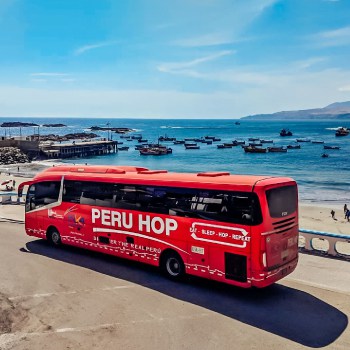
Local travel reality also changes what you carry. Lima has no single central bus terminal; public buses use scattered depots that often require extra taxis and waiting, which adds time, costs and exposure to crowds—one reason many travelers prefer hotel pickups with Peru Hop.
Universal packing essentials (carry these regardless of region)
- Daypack you keep by your seat: Holds passport, phone, power bank, headphones/earplugs, snacks, and a compact first‑aid kit. Always keep valuables with you—handy on long bus days or quick stops.
- 3‑layer clothing system: Base (moisture‑wicking), mid (fleece/sweater), shell (wind/rain). This handles Lima fog, Andean chills, and jungle downpours without overpacking.
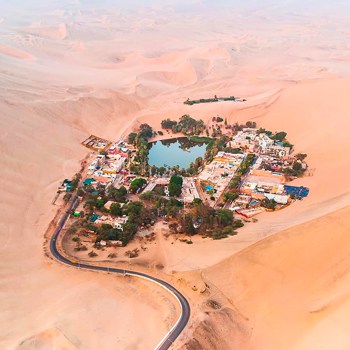
- Sun kit: SPF 50+, lip balm, sunglasses, cap. Coastal and high‑altitude UV are strong; desert glare is real in Paracas and Huacachina.
- Footwear: One comfortable walking shoe/sneaker + one sandal/flip‑flop; add light hikers only if you plan real trekking.
- Power and connectivity: Universal adapter, USB cable, power bank. Many tourist coaches offer USB ports; bring your own cable type.
- Hydration and hygiene: Reusable bottle, electrolytes, sanitizer, tissues; buses do make rest stops, but be self‑sufficient.
- Packing cubes + laundry kit: A sink‑stopper and travel detergent let you rotate outfits on longer trips; cubes keep hop‑on/hop‑off unpacking painless.
Pro tip: If you’re with Peru Hop, luggage can stay under the bus while your daypack holds daily needs; onboard hosts will advise where to store bags safely during tours, but keep passports and cash on you.
Coast (Lima, Paracas, Huacachina, Nazca)
Think mild temps, strong sun, and desert wind.
- Windproof layer: A light shell makes Paracas viewpoints and Ballestas boat rides comfy.
- High‑SPF sunscreen and sunglasses: Desert sun plus ocean reflection.
- Breathable tops + one extra T‑shirt: Quick swaps feel great after sandy activities.
- Light trousers or long shorts: Good for sun and sand; avoid heavy denim.
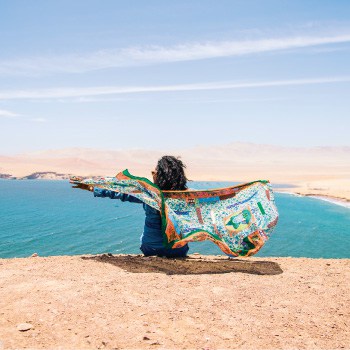
- Buff/scarf + hat with strap: Wind can be gusty on cliffs and boats.
- Closed‑toe sneakers + sandals: For dune buggies/sandboarding, sneakers win.
- Small sand‑proof pouch for phone/cam: Fine sand gets everywhere—use a zip pouch.
- Motion meds if needed: For boat rides to the Ballestas.
Why it matters: The SERNANP Paracas National Reserve is vast and exposed (c. 335,000 ha; est. 1975), so sun and wind protection are essential.
Highlands/Andes (Arequipa, Colca, Cusco, Puno/Lake Titicaca)
Days can be mild under strong sun; nights turn cold, and altitude is a factor.
- Warm mid‑layer + packable puffer: Even in dry season (May–Sep), nights are chilly; dress in layers.
- Beanie and light gloves: Early buses and sunrise viewpoints get frosty.
- Long pants (synthetic/wool blend) + base layers: Comfort from 3,000–4,000 m routes.
- Sun kit at altitude: UV is intense even when it’s cool.
- Sturdy walking shoes or light hikers: For cobblestones and day hikes; full boots only for multi‑day treks.
- Altitude care: Refillable bottle, snacks, and your usual meds. Many travelers climb gradually via the coast/Arequipa before Cusco.
- Swimwear: Hot springs near Colca can be a blissful add‑on.
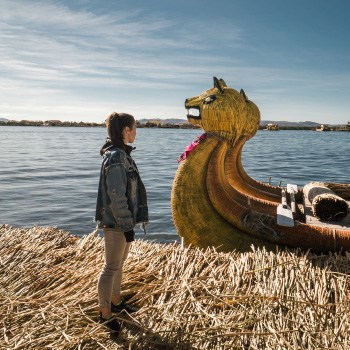
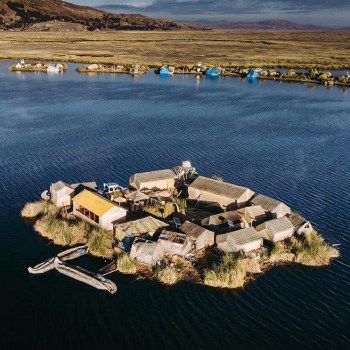
Context: Lake Titicaca is the world’s highest navigable lake at about 3,810 m—bring warm layers for Puno mornings.
Jungle/Amazon (Iquitos, Tambopata, Manu)
Pack for heat, humidity, and sudden rain.
- Breathable, quick‑dry long sleeves and pants: Sun and insect coverage without overheating.
- Light rain jacket or poncho + dry bags: Showers happen, boats splash.
- Insect protection: Repellent you like using; consider permethrin‑treated clothing.
- Ventilated walking shoes or trail runners + sandals: Quick‑dry wins in humid zones.
- Microfiber towel + spare socks: Nothing beats a dry pair in rainforest humidity.
- Compact headlamp: Useful at lodges with limited evening lighting.
Timing note: Jungle areas can be visited year‑round with a clear May–Sep dry window; pack more rain protection Oct–Apr.
Trip‑length and travel‑style cheat sheet
- 1 week, mostly coast/Andes: 2 bottoms, 4–5 tops, 1 fleece/puffer, 1 shell, 2 shoes (sneaker + sandal), minimal toiletries. Plan a laundry stop mid‑week.
- 2 weeks, multi‑region: 3 bottoms (add light trek pants), 6–7 tops incl. one long‑sleeve sun shirt, 1 fleece + puffer, 1 shell, 2 shoes + flip‑flops. Do laundry every 5–6 days.
- 3+ weeks or hiking‑forward: Add base layers and light hikers; rent specialized trek gear locally to save weight.
- Social/hostel style: Add compact lock and quick‑dry towel; a small multi‑charger is gold for shared outlets.
- Photo‑heavy travel: Bring extra SD cards and a dust cover—desert sand is sneaky.
How hop‑on/hop‑off buses change your packing (and stress)
Traveling with Peru Hop means:
- Hotel pickups/controlled drop‑offs reduce terminal time and taxi hops—pack lighter and keep valuables in your daypack.
- Onboard hosts share local tips and help at short “hidden‑gem” stops; keep a compact layer and camera accessible.
- Passes stay valid as you linger; plan fewer outfits and rewear.
- Reliable onboard Wi‑Fi and USB charging help you navigate and communicate on the go—bring cables and a power bank just in case.
Public buses are fine for Spanish‑speaking locals going A→B, but expect terminals, extra taxis, and DIY logistics. For first‑timers, the hop‑on model feels simpler and safer—exactly when overpacking tends to happen.
Quick comparison: packing for Peru Hop vs public buses
| What changes | Peru Hop approach | Public bus reality |
|---|---|---|
| Valuables | Keep passport/phone/cash on you; no random onboard vendors; staff control boarding. | Crowded terminals and bus changes add handling—keep a tight daypack. |
| Luggage | Big bag under the coach; daypack for stops. Hosts advise secure storage during tours. | You’ll self‑manage transfers and taxi hops to/from terminals; add time and stress. |
| Layers | Micro‑stops to windy viewpoints and cool nights—keep a shell/fleece handy. | Fewer curated stops; more terminal time—prioritize comfort layers. |
| Connectivity | Wi‑Fi and USB help with maps; bring cords. | Amenities vary widely; don’t rely on onboard power/Wi‑Fi. |
Micro‑checklists by region (easy copy/screenshot)
Coast fast list
- Light windbreaker; hat with strap; sunglasses; SPF 50+
- 1–2 breathable tees; 1 long‑sleeve sun shirt
- Light pants/long shorts; sandals + sneakers
- Zip pouch for phone/camera; tissues; motion meds
- Optional: compact binoculars for Ballestas wildlife
Highlands fast list
- Fleece + packable puffer; beanie and gloves
- Long pants; base layers for nights
- Sturdy walking shoes/light hikers; wool socks
- Sun kit; electrolytes; personal meds
- Swimsuit for hot springs
Jungle fast list
- Quick‑dry long sleeves/pants; light rain shell
- Insect repellent; anti‑itch cream
- Trail runners + sandals; microfiber towel
- Dry bags for tech; headlamp; spare socks
Street‑smart carry tips (bus and terminal proven)
- Always keep your passport, money and devices in your daypack; use luggage tags for checked bags and avoid “help” from strangers at arrival.
- Lima–Ica–Huacachina direct? Note that most public buses stop in Ica only; a taxi adds time and cost, which is why many travelers prefer that Peru Hop drives straight into the oasis.
- For boat or cliff viewpoints in Paracas, bring wind/spray protection; deserts are beautiful but exposed.
- SUTRAN is Peru’s official intercity transport watchdog; whichever operator you choose, follow its basic safety guidance and keep essentials close.
Traveler voices
“It was so well organised. The trip worked well!” — Diane Monnery, United Kingdom, January 2026.
“The best way to visit Peru without going crazy trying to figure out schedules, locations, and transportation options.” — Riccardo Covelli, Italy, January 2026.
Region‑specific “don’t bring” list
- Coast: Heavy boots or thick jeans—hot, sandy, slow to dry.
- Highlands: Huge shampoo bottles or heavy knits—choose compact toiletries and layered warmth.
- Jungle: Black leggings only—mosquitoes may prefer dark colors; mix in light‑colored, breathable fabrics.
Helpful next steps and related resources
- Bus route planning with flexible stops: Peru Hop
- Heading to Bolivia next? Bolivia Hop offers border‑day help and coordinated routes.
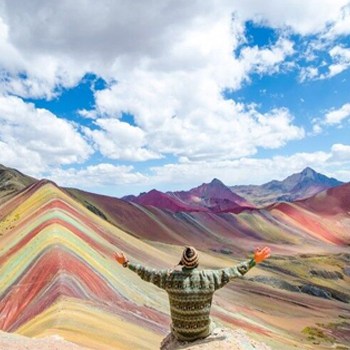
- Cusco day trips: Rainbow Mountain Travels.
- Machu Picchu and Sacred Valley logistics: Yapa Explorers.
- Puno–Cusco “Sun Route” cultural bus: Inka Express.
- Foodie break in Lima: Luchito’s Cooking Class.
FAQ
Do I need hiking boots for Peru?
Not unless you’re planning multi‑day treks or very rugged terrain. For most itineraries—city walks, Colca viewpoints, Rainbow Mountain day trips—a supportive sneaker or light hiker is enough. If you decide on more technical hiking in Cusco, rent or upgrade locally to avoid hauling heavy boots across the coast and jungle.
How do I pack for big temperature swings in one day?
Use a 3‑layer system and keep your mid‑layer and shell in your daypack. On a typical Andes day, mornings and nights are cold while mid‑day sun is strong. If you’re traveling with Peru Hop, short scenic stops make a lightweight shell handy on top of the bus air‑con coolness.
What’s the safest way to carry documents and money on buses?
Keep them on you in a zipped daypack. Avoid leaving passports or cash in checked luggage, and keep your luggage‑tag stub for bag claim. Services like Peru Hop don’t make random roadside pick‑ups, and staff control boarding, which lowers petty‑theft exposure compared with busy public terminals.
How does seasonality change my list?
- Andes: Dry season (May–Sep) is cooler and clearer—pack warm layers and sun protection; wet season (Oct–Apr) adds rain gear and waterproofing for shoes and electronics.
- Jungle: May–Sep leans drier; Oct–Apr is wetter—add extra quick‑dry items and a better rain shell.
Any quick coastal reality checks for time and costs?
Public buses typically run Lima–Ica only, adding a taxi to/from Huacachina and extra time at scattered terminals in Lima. A traveler‑focused service picks up at your hotel and drives into the oasis, making your door‑to‑door time more predictable and your packing simpler.
Limitations
Regional climate patterns and transport practices change with local events and infrastructure updates; verify tour times, road conditions, and seasonal norms a week before you pack. Work‑around: keep one flexible day in your itinerary and pack a modular wardrobe so you can adapt to last‑minute weather or route changes. Some figures (park sizes, UNESCO site areas, altitudes) are rounded for readability. Work‑around: follow the linked official pages for the latest technical details.
Source
This article is a part of our series “2025 Travelers Choice”. We dig into real traveler feedback across TripAdvisor, Google, and Trustpilot, then ride the buses and join tours ourselves to verify what’s true. Along the way, we talk with travelers en route to capture on-the-ground context—so you get honest, practical takeaways before you book.