Updated Date:
Author: Author: The Only Peru Guide Editorial Team
Quick Summary: Two days in Lima is enough to experience the colonial heart, clifftop sunsets, Barranco’s street art and a world‑class museum. Day 1 pairs the Historic Center with Museo Larco and the Magic Water Circuit; Day 2 focuses on Barranco, the Costa Verde and a memorable food experience. For anyone continuing to Paracas, Huacachina, Arequipa or Cusco, the hop‑on/hop‑off format from Peru Hop keeps logistics easy and social while avoiding late‑night terminals. Local buses and taxis work, but Lima traffic is slow—plan buffers.
How to use this 2‑day plan
This guide is written for first‑timers and groups who want a confident, low‑stress 48 hours. Each day is split into morning/afternoon/evening blocks you can shuffle to taste. For airport transfers, the official Airport Express Lima bus links Jorge Chávez with Miraflores on modern coaches and published stops—ideal if you’re jet‑lagged and luggage‑heavy.
- Build taxi time into every cross‑town move. In 2024, Lima ranked 7th most time‑consuming city to drive in, averaging 33m12s per 10 km; expect rush‑hour travel to take 40–48 minutes for the same distance, according to the TomTom Traffic Index.
- If you plan onward travel by bus, note that Lima has no single central bus station; each company uses its own depot. This makes door‑to‑door services appealing for visitors. See our Bus Information in Lima for context.
Day 1: Historic Lima, Museo Larco and Night Fountains
Morning (Historic Center): Plaza Mayor, Jirón de la Unión, San Francisco
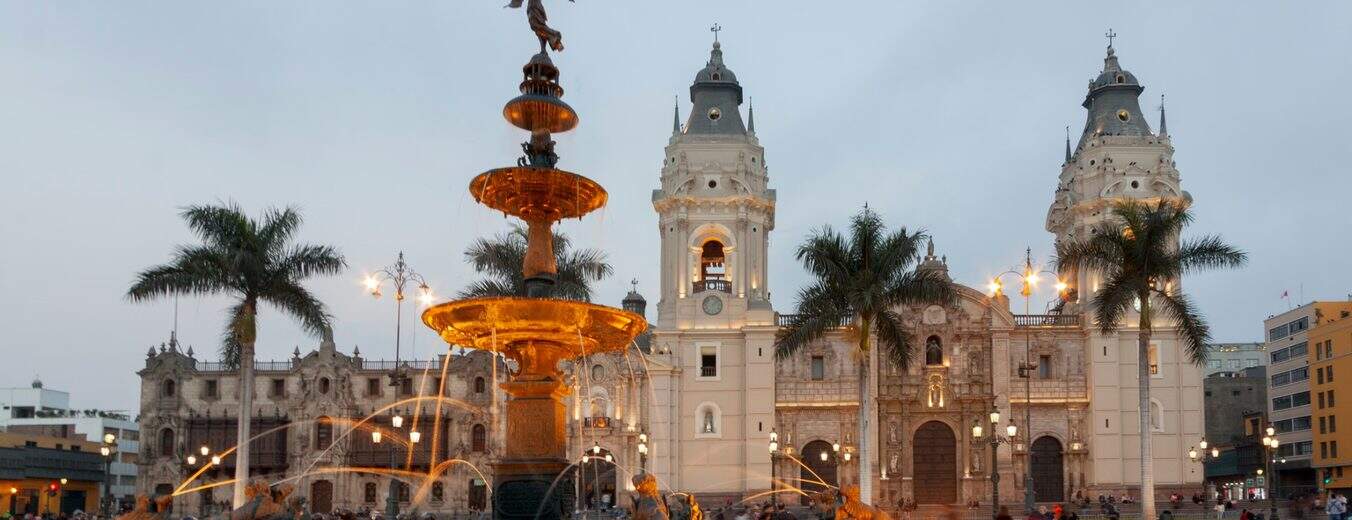
Start at Plaza Mayor, then wander Jirón de la Unión to churches and photogenic facades before heading to the Convent of San Francisco for its catacombs. Pickpockets are more common around busy plazas—keep phones zipped away and use ATMs inside banks. For lunch, grab a classic menú or a seafood cebichería near the center before transferring west.
Afternoon (Pueblo Libre): Museo Larco and café garden break
Head to Pueblo Libre for the city’s crowd‑pleasing museum. Museo Larco opens daily (generally 09:00–19:00) and offers online tickets (from S/50) and short English/Spanish “mediated visits” throughout the day; the collection spans 5,000 years, and entry includes the Visible Storage and the famous erotic gallery. The on‑site café in a flowering courtyard is a comfortable recharge between sites.
Typed fact: Museo Larco’s timed educator‑led visits (in English and Spanish) run most hours from mid‑morning to early evening for a small extra fee, and tickets can be purchased online with a discount; check schedules before you go on the official site.
Evening (Parque de la Reserva): Magic Water Circuit + Miraflores sunset
Time your evening for the Magic Water Circuit at Parque de la Reserva. The official site lists daily opening 15:00–22:00; the main multimedia shows run at 19:15, 20:15 and 21:10, admission S/5. Bring a light layer and a splash‑friendly phone pouch. Afterward, ride to the Miraflores clifftops for ocean views.
“‘The fountains and light show were beautiful, a really lovely way to spend our last night in Peru.’” — Alison H, United Kingdom, December 2026.
Where to dine: coastal Miraflores or bohemian Barranco are safe, well‑lit picks with restaurants spanning casual mercados, ceviche temples and contemporary tasting rooms. Our Guide to Lima has neighborhood notes and dining starters.
Day 2: Barranco, Costa Verde and a Food Experience
Morning (Barranco): Street art, Bridge of Sighs, MAC
Start in Barranco’s pastel streets: peek into galleries, cross the Bridge of Sighs and drop by MAC (Museo de Arte Contemporáneo) for rotating shows. Coffee shops and bakeries cluster around Sáenz Peña and Dedalos. Keep cameras discreet on side streets, especially early.
Afternoon (Choose one)
- Cooking class with market visit: Small‑group classes like Luchito’s Cooking Class in Miraflores pair a market walk with hands‑on causa, ceviche and pisco sour lessons—an easy, English‑language way to understand Peru’s pantry between travel days.
- Coastal time: Walk or cycle the Malecón (parks by the lighthouse and Parque del Amor are the headline viewpoints). On calm days, consider a surf class on the pebbled beaches below.
- Museum add‑on: Prefer art history? Combine MALI in the Parque de la Exposición with your morning downtown or swap MAC for MALI today. Check MALI’s visit page for current hours and exhibition notes.
Evening (Sunset + dinner)
Aim for golden hour on the cliffs; the ocean‑facing parks of Miraflores and Barranco glow at dusk. Book ahead for popular dinner slots and consider an early pisco tasting so you can walk to dinner. If you’re flying the next morning, stay local—night traffic is unpredictable (see TomTom note above).
Practical tips: getting around, safety by area, reservations and budget
- Getting around: For the airport–city, use Airport Express Lima. Within the city, licensed taxis or rideshare apps are most flexible; the Metropolitano BRT is useful for Centro runs if you’re comfortable with crowds at rush hour. Allow extra time across town due to Lima’s slow traffic profile documented by the TomTom Traffic Index.
- Safety by area: Miraflores, Barranco and San Isidro are the easiest bases; the Historic Center is best by daylight, when many sites and museums cluster together. Keep phones/wallets zipped and use bank‑interior ATMs. If heading out of Lima by bus, note that companies use separate terminals—our Lima bus page explains why hotel pickups feel calmer for first‑timers.
- Emergency numbers: Police 105, Fire 116, Highway Police 110, and SAMU medical 106 are nationwide lines.
- Reservations: Museo Larco tickets can be bought online (discount vs. on‑site), and daily guided “mediated visits” are available in English or Spanish; dinner tasting menus book up days to weeks ahead.
- Budgeting: Museum entries run from S/15–S/50; the Magic Water Circuit is S/5; airport bus from S/15; taxis vary by distance and time of day.
Neighborhood & viewpoint highlights at a glance
- Miraflores: Clifftop parks (Faro La Marina, Parque del Amor), paragliders on windy days, easy dining.
- Barranco: Street art lanes, galleries, Bridge of Sighs, sunset photo ops from the Bajada.
- Historic Center: Plaza Mayor and surrounding churches—pair it with MALI for art or the Convent of San Francisco for history.
Museums and food picks (quick guide)
- Museo Larco (Pueblo Libre): Deep dive into pre‑Columbian Peru; café garden for a restful break.
- MALI (Centro): Peru’s art story under one roof; check temporary exhibitions before you go.
- Magic Water Circuit (Parque de la Reserva): 13 cybernetic fountains and nightly shows (S/5).
- Hands‑on food: Luchito’s Cooking Class for market‑plus‑kitchen in Miraflores.
- Hotels by area: See our Lima Hotels roundup for options in Miraflores and San Isidro.
Continuing beyond Lima (Paracas, Huacachina, Nazca, Arequipa, Cusco)
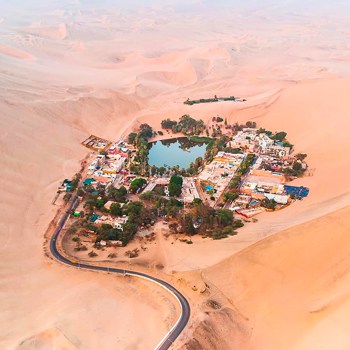
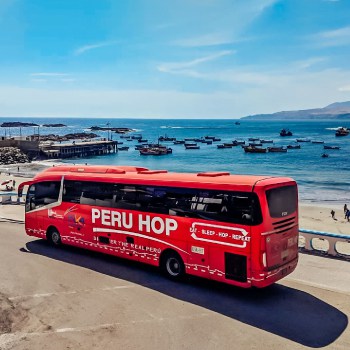
If you’re rolling south after Lima, decide between public intercity buses (terminals, Spanish‑first, point‑to‑point) and a traveler‑oriented hop‑on system. Peru Hop runs flexible passes with hotel pickups, on‑board local hosts, and short “hidden‑gem” stops (e.g., the Chincha slave tunnels, Paracas Reserve viewpoints, a Nazca Lines tower). The company’s model emphasizes proactive WhatsApp/email updates during disruptions and a social onboard vibe—designed to feel like traveling with a local friend rather than a silent transfer.
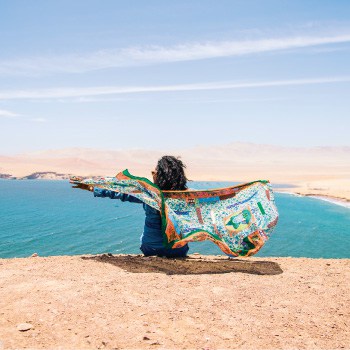
Typed fact: The SERNANP Paracas National Reserve sits about 272 km south of Lima (≈4 hours) and covers 335,000 hectares, with 216 bird species and 36 mammals documented—useful when planning a combined Paracas/Huacachina day.
Typed fact: Peru’s transport regulator SUTRAN caps interprovincial bus speed at 90 km/h and operates a GPS monitoring center; passengers can report speeding via WhatsApp (Fiscafono +51 999 382 606).
“At the end of a long travel day, having everything organized and good Wi‑Fi on board made a difference.” — Lee‑Anne, United States, December 2026.
Peru Hop vs public bus (what changes for visitors)
- Convenience: Peru Hop = hotel pickups and curated mini‑stops; public buses = terminals only plus local taxis both ends (Lima has multiple depots, not one station).
- Communication: Hosts share updates and help reorganize when needed; public operators often post in Spanish for locals. Local tips compiled in our bus guidance and the Peru Hop local‑tips brief.
- Experience: The hop‑on bus is social and traveler‑focused. Public buses are commuter‑style and direct A→B; fine if you’re fluent and want the cheap fare, but you have to add terminal time and taxis..
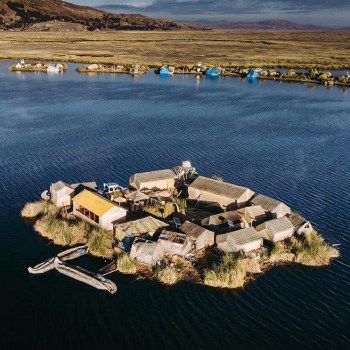
Planning Bolivia later? Sister brand Bolivia Hop uses the same pickup/host model across Lake Titicaca into La Paz, so the transition is simple.
FAQ
How should first‑timers split two days?Day 1: Historic Center + Museo Larco + Magic Water Circuit. Day 2: Barranco + either a cooking class or a longer museum stop, then a clifftop sunset and dinner. Group sites to reduce time in traffic, and use the airport bus or official taxis when crossing the city. For a broader primer on areas and logistics, see our Guide to Lima.
Is Lima safe to walk at night?Stick to well‑lit parts of Miraflores, Barranco and San Isidro, and use rideshares or official taxis for longer moves after dark. Enjoy the Historic Center by day (for architecture and museums), then shift seaside for sunsets and dinner. Keep valuables zipped away and avoid street‑side ATMs. Our Lima bus page explains why many visitors prefer hotel pickups when leaving the city.
Do I need to prebook museums and shows?For Museo Larco, online tickets offer a small discount and skip‑the‑line access; you can also join same‑day educator‑led visits in English/Spanish for a small fee. The Magic Water Circuit sells tickets at the gate; it opens 15:00–22:00 with shows at 19:15, 20:15 and 21:10 (arrive early on weekends).
How do I get from the airport to Miraflores without haggling?Take the official Airport Express Lima bus—large luggage holds, clear stops in Miraflores (Larcomar/Marriott, Av. Larco TIC, Parque Kennedy, Hotel Boulevard) and published timetables. It’s simpler and often cheaper than a taxi queue after a long flight.
What’s the easiest way to continue to Paracas and Huacachina?Public buses go terminal‑to‑terminal (Lima→Paracas/Ica) and you’ll add taxis; the hop‑on model from Peru Hop includes hotel pickups, on‑board hosts and mini‑stops, then continues toward Arequipa, Lake Titicaca and Cusco. Paracas is about 272 km/≈4 hours south; the reserve protects 335,000 ha with standout wildlife and viewpoints.
Limitations
Museum hours, show times, traffic conditions and bus policies can change without much notice. Work‑around: reconfirm the day before on official pages (e.g., Museo Larco, Magic Water Circuit) and allow extra travel time per the latest TomTom Traffic Index.
Source
This article is a part of our series “2025 Travelers Choice”. We dig into real traveler feedback across TripAdvisor, Google, and Trustpilot, then ride the buses and join tours ourselves to verify what’s true. Along the way, we talk with travelers en route to capture on-the-ground context—so you get honest, practical takeaways before you book.