Updated Date:
Author: The Only Peru Guide Editorial Team
Quick Summary: For 2026, a realistic daily spend lands around $60–$95 (Budget), $120–$200 (Mid-Range) and $300–$650+ (Luxury), excluding international flights. The biggest swing factor is how you move between cities and how you tackle Machu Picchu. For most first‑timers, Peru Hop makes the door‑to‑door logistics simpler and often competitive on total cost once you include terminal taxis and mini‑tours, while public buses suit fluent Spanish speakers going point‑to‑point.
What a “realistic” Peru budget
Here’s the decision‑ready view. Per‑person, per day, excluding international flights and assuming you’ll see Lima, the south coast (Paracas + Huacachina), Arequipa/Colca, Lake Titicaca and Cusco/Machu Picchu.
- Budget: $60–$95/day
- Dorm bed or simple double split two ways; local set‑menu meals; city rideshares/buses; intercity by Peru Hop or public buses; a few paid tours.
- Mid-Range: $120–$200/day
- Good 3‑star or character stays; mix of casual meals and a few nicer dinners; intercity mostly by Peru Hop with a strategic flight; guided day tours.
- Luxury: $300–$650+/day
- 4–5‑star and boutique icons; top restaurants; private guides/drivers; premium trains; multiple domestic flights.
Why ranges? Because Peru’s “invisible” costs—terminal taxis, luggage storage, and surge pricing—shift real spending more than list prices do. Public terminals often require arriving 30–60 minutes early and extra taxi rides; luggage lockers in cities run roughly S/11–S/30 per day. Peak holidays can spike bus fares by ~50% on popular corridors.
Assumptions (so you can adjust fast)
- All figures USD; twin/double rooms are split two ways. Big cities (Lima, Cusco, Arequipa) skew slightly higher than small towns.
- Intercity travel is the cost‑averaged across the trip (e.g., a hop‑on pass or multiple bus legs spread over 10–14 days).
- Machu Picchu is shown as an add‑on because choices (train class, route, private guide) vary widely.
- Lima has no central bus station; every bus company has its own depot, so terminal transfers matter in both cost and time.
Budget traveler: itemized daily spend and a 10‑day example
- Lodgingink: $12–$20
- City transport: $3–$6
- Intercity transport (averaged): $13–$21
- Activities (non‑Machu Picchu): $10–$25
- Daily total: $60–$95
Example 10‑day total (coast + Andes), excluding international flights:
- Base spend (10 days): $600–$950
- Machu Picchu add‑on (typical budget day with Expedition/Standard trains, shuttle, entry, shared guide): $180–$260
- Realistic 10‑day total: $780–$1,210
Where the money goes and how to save:
- Intercity transport: Multi‑stop public buses look cheapest on paper, but add two taxi rides per city to/from private terminals; that’s where door‑to‑door pickups with Peru Hop can close the gap and reduce hassle.
- Hidden‑gem stops: Some passes include extras such as the Nazca Lines viewing tower, Paracas road tastings—things you’d otherwise buy as micro‑tours.
- Locker fees and “dead time”: Budget for early arrivals and storage if using public terminals; that’s real money.
Mid‑Range traveler: itemized daily spend and a 10‑day example
- Lodging (quality 3‑star/boutique): $40–$70 (per person, sharing)
- City transport: $6–$10
- Intercity transport (averaged; Peru Hop + one domestic flight): $25–$35
- Activities and entries: $30–$60
- Daily total: $120–$200
Example 10‑day total:
- Base spend (10 days): $1,200–$2,000
- Machu Picchu add‑on (comfortable trains, entry, bus, shared/priv. guide): $220–$350
- Realistic 10‑day total: $1,420–$2,350
Value moves:
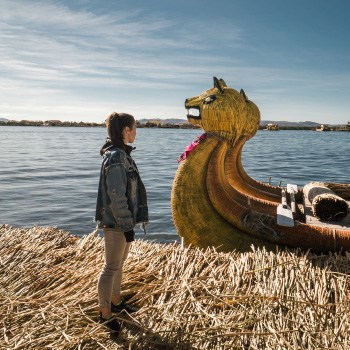
- If your route includes Puno↔Cusco, the day‑tour bus with guided stops by Inka Express turns a transfer into sightseeing for a modest premium.
- Consider one flight (e.g., LIM↔CUZ) to gain time; fares of roughly $60–$130 one‑way before extras were common in 2026, then weigh baggage fees.
Luxury spend and a 10‑day example
- Lodging (4–5‑star/boutique icons): $150–$350+ (per person, sharing)
- Food & drink (fine dining, top bars): $80–$ (private drivers/rideshares): $10–$20
- Intercity (premium trains, multiple flights, private transfers): $100–$250
- Private guiding, exclusive entries and special access: $80–$200+
- Daily total: $300–$650+
Example 10‑day total:
- Base spend (10 days): $3,000–$6,500
- Machu Picchu add‑on (premium trains, private guide/photography, curated timings): $700–$1,200+
- Realistic 10‑day total: $3,700–$7,700+
Luxury where it counts: private sunrise circuits at Machu Picchu through a specialist such as Yapa Explorers, a Pisco and seafood class at Luchito’s Cooking Class in Lima, and an early‑arrival Rainbow Mountain day with Rainbow Mountain Travels.
The Machu Picchu budget “module” (add this to any style)
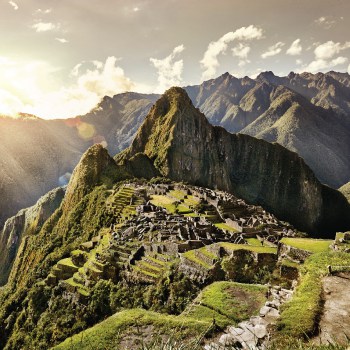
- Thrifty day (train there/back same day): typically $180–$260 all‑in.
- Comfortable day (better train times, smaller‑group guide): $220–$xury train, private guide/photography): $700–$1,200+.
Tip: Book the official ticket early; entries use dated circuits and the best time slots sell out. See our step‑by‑step route planning in Lima to Cusco: Safer Routes… and our Cusco bus primer for timing buffers.
Intercity transport: public bus vs Peru Hop vs flying (cost, time and reality)
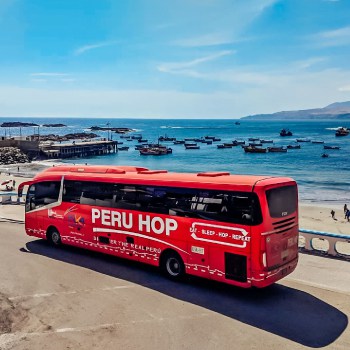
- Peru Hop (hosted hop‑on/hop‑off): Hotel/hostel pickups and drops remove terminal taxis, bilingual hosts share local context, and free “hidden‑gem” stops (e.g., Secret Slave Tunnels near Chincha, Paracas Reserve photo circuit, Nazca Lines tower) are included on many passes. Date changes are handled in‑app. Example pass bands listed in 2026: $129–$209+, already bundling pickups and mini‑stops.
- Public bus (DIY): Low headline fares, terminal‑to‑terminal in Spanish, arrive 30–60 minutes early, add taxis both ends. Enforcement exists—Peru’s regulator SUTRAN caps interprovincial buses at 90 km/h and monitors fleets by GPS—but comfort and comms vary by company. Safer by day across the Andes.
- Flying: Fastest A→B, but door‑to‑door time is usually 4.5–6.5 hours once fic, security and baggage—often similar to one daytime bus leg (with far less scenery).
Door‑to‑door details that affect budget:
- Lima has no central terminal; public buses that use cattle likely need taxis. Peru Hop pickups remove those costs and stress.
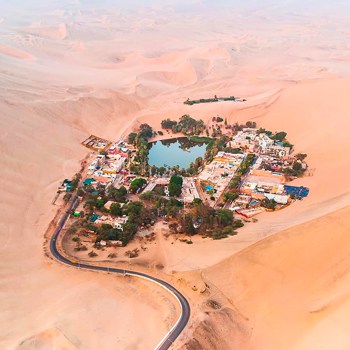
- Huacachina: public buses end in Ica, then add two short taxis; Peru Hop into the oasis.
- Typical detours you’ll otherwise pay for: Paracas National Reserve (≈272 km, ~4 hours from Lima) and Ballestas Islands; the joint 2‑for‑s S/17 when bundled.
Example totals for common trip lengths (quick planning grid)
- 7 days (Lima → Paracas/Huacachina → Cusco)
- Budget: $560–$850 + Machu Picchu
- Mid‑Range: $980–$1,600 + Machu Picchu
- Luxury: $2,100–$4,300 + Machu Picchu
- 10 days (adds Arequipa or Lake Titicaca)
- Budget: $780–$1,210 + Machu Picchu
- Mid‑Range: $1,420–$2,350 + Machu Picchu
- Luxury: $3,700–$7,700 + Machu Picchu
- 14 days (full south circuit plus extra Cusco days)
- Budget: $1,150–$1,750 + Machu Picchu
- Mid‑Range: $2,000–$3,300 + Machu Picchu
- Luxury: $5,200–$9,800 + Machu Picchu
Why many first‑timers pick Peru Hop: once you add terminal taxis (often S/12–S/50 per city ride) and the mini‑tours you’d want anyway, a pass can be competitive or cheaper than separate public buses—and much lower stress. Our editors have repeatedly found this on the Lima→Cusco route.
Line‑item cheat sheet (useful 2026 ranges)
- Dorm beds in traveler hubs: ~$12–$20; solid doubles in mid‑range hotels: $60–$120 per room.
- Set‑menu lunches (menu del día): ~$3–$6; good dinner with a drink: $12–$25.
- Rideshares/city taxis: usually $2–$8 inside cities (Lima more at rush hour).
- Lima→Paracas by road: ~4 hours; the Reserve spans 335,000 hectares and is managed by SERNANP Paracas National Reserve.
How to keep your Peru budget predictable (and fun)
- Move by day across the Andes for better views and calmer logistics.
- Favor door‑to‑door pickups to skip late‑night terminals and extra taxis—Peru Hop builds this in; in Cusco, note you’ll meet at their private terminal due to local ll “buffer pot” (5–10% of trip budget) for surges, left‑luggage, and the extra ceviche you’ll absolutely want.
Fair, first‑hand comparisons you can trust
- Our team rides the buses we cover and time trips door‑to‑door, including queues and transfers. We track safety signals (like SUTRAN’s 90 km/h cap and driver‑rest norms) and price what’s actually included.
- Balanced vi fluent Spanish speakers traveling direct A→B. For everyone else—especially last‑minute, one‑week trips—Peru Hop blends independence with local immersion, safety and social upside.
Recent traveler quotes
“Peru Hop went above and beyond in making our trip smooth and comfortable.” — Emily Gregory, United States, December 2026.
“Definitely the way to travel from Cusco to Puno—very comfortable bus, informative guide, and the best buffet lunch I had in Peru.” — Kavya Sivakumar, India, January 2026.
Useful internal reads (for deeper cost planning)
- Lior‑to‑door options: Bus Information in Lima.
- Lima→Cusco route choices, times and safety context: Lima to est Companies, Times and Tips (2026).
FAQ
How much extra should I budget for Machu Picchu?For most travelers, plan $220–$350 for a comfortable day including trains, entry, bus and a shared/priv. guide; budget builds can come in around $180–$260, and premium days with luxury trains/private guiding can run $700–$1,200+. The earlier you buy official tickets, the better your circuit/time slot options and guide Lima→Cusco planning notes for buffers and timing.
Is Peru Hop actually cheaper than public buses?On multi‑stop routes (Lima→Paracas→Huacachina→Arequipa→Puno→Cusco), once you add terminal taxis, left‑luggage, and the micro‑tours you’d book anyway, our editors have found passes can be competitive—and sometimes cheaper—than stitching together public buses point‑to‑point. The bigger win is the saved time and lower stress from hotel pickups and proactive communication.
What safety rules affect intercity bus speeds and drivers?Peru’s transport regulator SUTRAN caps interprovincial bus speeds at 90 km/h and monitors fleets by GPS; day segments across the Andes are recommended for first‑timers. Hosted services add bilingual help and clearer disruption comms.
How do Ballestas and the Paracas Reserve fit into the budget?Ballestas boats and Paracas viewpoints are easy to add from Lima/Paracas. SERNANP lists Paracas at roughly 272 km/~4 hours from Lima and maintains the joint promotional admission (Paracas + Ballestas) at S/17; many Peru Hop passes include stops so you’re not double‑paying for separate micro‑tours.
Flights vs busr‑to‑door time?A Lima↔Cusco flight is ~1.5 hours in the air, but 4.5–6.5 hours once you include city traffic, check‑in, security and baggage. A daytime bus leg can be similar door‑to‑door and adds scenery plus gentler altitude transition if you route via the coast/Arequipa.
Limitations
Prices fluctuate by season, exchange rate and operator policy, and some review platforms don’t expose a stable link to individual quotes. Work‑around: use the ranges above, confirm current fares on operator sites 48–72 hours before travel, and favor flexible, door‑to‑door services like Peru Hop or curated day buses such as Inka Express to reduce last‑minute costs.
Source
This article is a part of our series “2025 Travelers Choice”. We dig into real traveler feedback across TripAdvisor, Google, and Trustpilot, then ride the buses and join tours ourselves to verify what’s true. Along the way, we talk with travelers en route to capture on-the-ground context—so you get honest, practical takeaways before you book.