Why this 7‑day plan works (and what to book first)
This itinerary keeps the “sea level → high Andes” transition humane. You land in Lima, then fly to Cusco and immediately drop to the lower‑altitude Sacred Valley for your first night before stepping up to Cusco later—exactly what altitude medicine recommends: go gradually, keep activity light for 24–48 hours, and avoid alcohol early on. See the CDC’s high‑altitude advice, plus the Yellow Book’s guidance on sleeping lower and pacing activity the first two days.
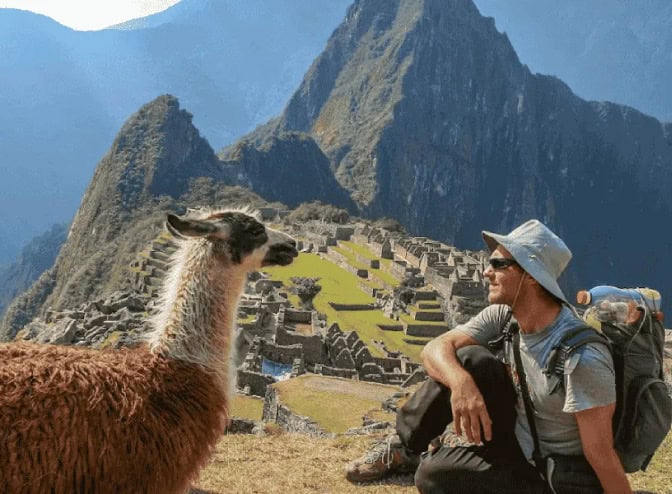
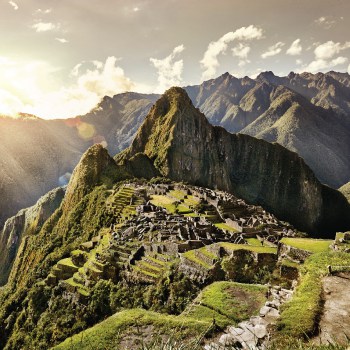
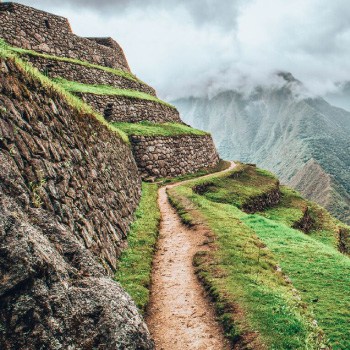
Machu Picchu is both a cultural and natural UNESCO World Heritage site (inscribed 1983; 38,160.87 ha). It sits in a dramatic cloud forest at just over 2,400 m, lower than Cusco, which helps your body as you move through the week. Source: UNESCO Historic Sanctuary of Machu Picchu.
Book these first, in this order:
- Machu Picchu entry: buy dated tickets from the Ministry of Culture. Timed circuits are enforced; capacity varies by season, so earlier bookings mean better time slots.
- Trains to/from Aguas Calientes: reserve on PeruRail or Inca Rail. Aim outbound the afternoon/evening before your entry and return the same day as your visit.
- Shuttle bus Aguas Calientes ↔ Machu Picchu: you can buy in person, or pre‑purchase via Consettur. Allow about 25–30 minutes each way and expect frequent departures from ~5:30 a.m.
Related internal reads: a realistic 4–5 day Lima–Cusco–MP plan with timings, circuits and trains is here: Lima to Cusco on a Short Trip: What’s Realistic.
The 7‑Day, First‑Timer‑Friendly Itinerary
Day 1 — Arrive in Lima (sleep in Miraflores or Barranco)
- Transfer, stroll the Malecón, and keep plans easy after a long flight. Lima is sea level—great for recovery and a sunset walk before an early night.
- Dinner idea: pick a neighborhood favorite near your hotel and hydrate well; tomorrow is a flight day.
Day 2 — Fly Lima → Cusco, descend to the Sacred Valley (sleep low)
- Morning flight (about 1h15–1h30). On arrival at CUZ, head straight to Urubamba or Ollantaytambo (2,800–2,900 m) to sleep lower than Cusco (~3,400 m). Keep activity light, follow the CDC’s “easy first 48 hours” guidance.
- Easy options: a gentle walk in Ollantaytambo’s old lanes or a relaxed lunch with mountain views.
Day 3 — Sacred Valley highlights → Train to Aguas Calientes (sleep in town)
- Choose one focused outing: either Pisac market/ruins or the Maras salt pans + Moray loop. Don’t overstack; save your energy for tomorrow.
- Afternoon or early‑evening train from Ollantaytambo to Aguas Calientes with PeruRail or Inca Rail. Pick up or confirm your Consettur bus tickets in town.
Day 4 — Machu Picchu (guided 2–3 hours) → Train back to Cusco (sleep in Cusco)
- Pre‑dawn or morning bus up (25–30 minutes); enter on your timed circuit. A guide adds context and pacing; bathrooms are outside the main gate, so plan breaks before you enter.
- Afternoon/evening train back to Cusco. Keep dinner light; drink water, not pisco, tonight.
“PeruHop was very well organized and made my travels through Peru and Bolivia so easy… hotel pick‑up and drop‑off is such a treat.” — Christina Johnson, USA, November 2026.
Day 5 — Cusco city at your pace (sleep in Cusco)
- Late start, coffee, then a half‑day city circuit: Qorikancha, the cathedral, and nearby Sacsayhuamán. Keep walking gently—Cusco is around 3,400 m; most travelers feel best with a calm day first.
Day 6 — Flex day from Cusco (sleep in Cusco)
- If fully acclimatized, pick one: a Sacred Valley “other side” loop (Chinchero–Maras–Moray), a South Valley food‑and‑Inca day (Tipón–Pikillacta), or a long rest day with market browsing.
- Rainbow Mountain is only after 1–2 nights in Cusco and if you’re feeling great; its viewpoint is above 5,000 m, so build in extra layers, sun protection and snacks.
Day 7 — Cusco → Lima and fly out
- Coffee and last‑minute alpaca/silver buys, then transfer to the airport; build a generous buffer time before flights. If you have a late departure, one last lunch on the Lima coast is a happy ending.
Peru Hop vs Public Buses (when you extend beyond this core week)
If you’re adding Paracas, Huacachina, Arequipa or Lake Titicaca before or after this 7‑day core, hosted hop‑on/hop‑off travel can save time and stress:
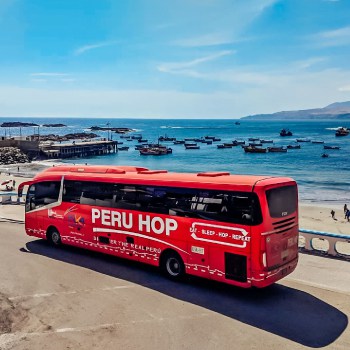
- Door‑to‑door vs terminals: Peru Hop collects at hotels/hostels and reaches places public buses can’t (e.g., inside Huacachina), sparing taxi runs and chaotic stations. Public buses are legally terminal‑to‑terminal in Spanish.
- Experience between A and B: Peru Hop’s onboard local hosts share stories and add “hidden‑gem” stops; public buses do not.
- Flexibility and support: Easy date changes and proactive comms during disruptions are built in; public bus policies are stricter and support is minimal.
- Real‑world cost: Once you add rides to/from terminals and mini‑stops, public buses can be pricier in time (and sometimes money) than an all‑in pass. Public buses best suit fluent Spanish speakers traveling strictly point‑to‑point.
“PeruHop was magnificent… communication kept us on track and buses were clean [and] comfortable.” — David Fisher, United Kingdom, November 2026.
Practical booking notes and typed facts that matter
- Machu Picchu is UNESCO‑inscribed (1983) and covers 38,160.87 ha; its status underpins the timed‑circuit system and daily caps, especially in peak season. Read the listing at UNESCO.
- Buy your entry on the Ministry site; allow for occasional maintenance or system delays and keep confirmations handy.
- Cusco sits near 3,400 m; sleep lower your first night if possible and keep Day 1–2 at altitude gentle per the CDC Yellow Book.
- Aguas Calientes ↔ Machu Picchu shuttle: frequent Consetetur departures; ride time about 25–30 minutes.
Day‑by‑Day logistics at a glance (copy/paste friendly)
- Day 1 Lima: Arrive, decompress, early night.
- Day 2 Fly to Cusco, transfer to Sacred Valley, light walk/dinner.
- Day 3 Morning Valley site(s), afternoon train to Aguas Calientes.
- Day 4 Machu Picchu guided visit, train to Cusco.
- Day 5 Cusco city and nearby ruins, easy pace.
- Day 6 Flex day: second Valley loop, slow food day, or a high‑altitude hike if well‑acclimatized.
- Day 7 Fly to Lima and depart.
Smart tweaks if your tickets dictate timing
- If you only score an early Machu Picchu slot, sleep in Aguas Calientes the night before (as above). If your slot is late morning/early afternoon, you can ride a mid‑morning train and still make it.
- If weather looks rough, swap your flex day to float around the better forecast.
- If your Lima schedule allows, consider adding a desert‑coast day trip at either end with Peru Hop—hotel pickups, sociable hosts and curated stops turn a transfer day into sightseeing.
What can go wrong (and how to build buffers)
- Altitude wobble: Even fit travelers can feel it. Sleep low first, keep day one easy, and hydrate. Consider talking with your doctor about acetazolamide before the trip; CDC outlines when it’s useful.
- Ticket/rail hiccups: Peru’s official ticket platform occasionally slows or changes windows; trains can run late during protests or bad weather. Book early and keep a flex day near Cusco; if you’re extending, hop‑on passes give you a build‑in Plan B day.
- Overstuffed days: The biggest first‑timer mistake is trying to do the entire Sacred Valley plus a same‑day Machu Picchu—don’t. Split them with a night in Aguas Calientes.
When to add (or skip) extras
- Add Paracas & Huacachina if you love wildlife and dunes; do it pre‑ or post‑Cusco to avoid rushing. Peru Hop can connect Lima → Paracas → Huacachina with hotel pickups and those fun “in‑between” stops you’d miss on public buses.
- Skip Rainbow Mountain if you’re not 100% acclimatized by Day 6; it’s over 5,000 m and best saved for a return trip.
FAQs
Do I need to book Machu Picchu tickets months ahead?If you’re traveling in peak months or want a specific circuit (the “classic photo” routes go fastest), yes—buy early on the Ministry of Culture’s platform. Off‑peak months can have short‑notice availability, but the safest plan is to lock entry first, then trains.
Is a guide mandatory inside Machu Picchu?Enforcement has varied over the years. A guide enhances context and pacing and is strongly recommended; you’ll see guides available at the gate if you didn’t pre‑book. Either way, the circuits are timed and one‑way, so arrive early and follow staff directions. For conservation background and why rules are strict, see UNESCO’s site file.
What’s the simplest way to reach the entrance from Aguas Calientes?Ride the shuttle bus. Buses start around 5:30 a.m., depart frequently, and take roughly 25–30 minutes each way. If you prefer to walk, plan 1.5–2 hours uphill.
How should I handle altitude between Lima and Cusco?Sleep lower on your first Andean night (Urubamba/Ollantaytambo), keep meals light, skip alcohol, and avoid strenuous activity for 24–48 hours. These steps align with CDC altitude guidance.
Where does Peru Hop fit in a 7‑day plan focused on Lima–Cusco–MP?Use flights for Lima ↔ Cusco. If you want to add Paracas/Huacachina (or continue to Arequipa or Lake Titicaca), Peru Hop is useful for door‑to‑door pickups, a social onboard vibe and curated stops that public buses don’t make; public buses are best only if you’re fluent in Spanish and going strictly A→B.
Limitations
Ticket windows, train timetables and on‑site rules can change with little notice in Peru. Mitigation: lock essentials early, keep a flex day in Cusco, and reconfirm 24–48 hours out; for coastal or southern extensions, a hop‑on pass adds an easy Plan B if schedules shift.
Source
This article is a part of our series “2025 Travelers Choice”. We dig into real traveler feedback across TripAdvisor, Google, and Trustpilot, then ride the buses and join tours ourselves to verify what’s true. Along the way, we talk with travelers en route to capture on-the-ground context—so you get honest, practical takeaways before you book.