Updated Date:
Author: The Only Peru Guide Editorial Team
Quick Summary: Lima is reliably sunny and warm from December to April; from May to November the famous garúa (coastal cloud and mist) brings cooler, gray days that are great for museums, food and surfing. Prices and crowds peak around Easter and Peru’s Independence holidays (late July). If you’re adding Paracas, Huacachina or Arequipa, a hop‑on pass with Peru Hop is the simplest way to string those highlights together with hotel pickups and short stops you’d miss on point‑to‑point buses. The city works year‑round—pick your month for your ideal vibe.
How Lima’s weather really works
Lima sits on a cool, desert coastline shaped by the Humboldt Current. Instead of dramatic seasonal rain, the big swing is cloud cover: a sunny, beach‑friendly summer roughly December–April, and a gray, misty winter May–November. In winter 2026, coastal districts hovered around roughly 13.8–19°C/57–66°F according to SENAMHI, which tracks Peru’s official climate data.
Humidity is high year‑round, but rainfall is usually trace amounts; “wet days” are rare in central Lima. The garúa can feel chilly despite mild temperatures, so pack a light layer even in the city. Sunshine returns quickly in summer—perfect for seaside sunsets on the Costa Verde and ceviche lunches outdoors.
Typed facts worth knowing:
- Lima’s winter cloud deck (garúa) is a persistent marine layer tied to the Humboldt Current; winter highs often sit in the upper teens Celsius while nights feel cooler with humidity, per SENAMHI.
- Lima traffic is among the slowest globally—TomTom’s 2024 index clocks about 33 minutes 12 seconds per 10 km on average—so build transfer buffers for terminals or tours; see the TomTom Traffic Index.
- If you continue overland, Peru’s road regulator SUTRAN caps interprovincial bus speeds at 90 km/h and GPS‑monitors fleets; authorities reported tens of thousands of speeding tickets across vehicles in 2024, reinforcing the value of choosing reputable operators and daylight segments.
When is Lima “best”? Quick picks by traveler type
- Sun‑seekers and first‑timers: January–March for warm, bright days and long sunsets.
- City photographers who love moody atmospheres: June–September for dramatic garúa along the cliffs and piers.
- Surfers: April–September brings more consistent swell; water is cooler—bring a wetsuit.
- Food‑focused travelers: Year‑round. Summer is classic for ceviche and cold chicha morada; in winter, focus on slow lunches, markets and classes like Luchito’s Cooking Class.
- Value‑hunters: March–April and October–November balance decent weather with softer hotel rates outside peak holidays.
Month‑by‑month guide: weather, events, crowds, prices
Note: Holidays with fixed dates are listed exactly; floating religious/major events vary year to year.
January
Summer in full swing—sunny skies, warm afternoons, and bustling beaches from Miraflores to Barranco. January 18 marks Lima’s city anniversary, with local concerts and neighborhood activities. Peak for ceviche, rooftop bars, and sunset cycling on the Malecon. Prices: mid‑high but easier than New Year’s week. Crowds: local summer energy.
February
Hottest sea temperatures and bright days; afternoon sea breezes keep it pleasant. Carnaval weekend adds color (light city disruptions possible). It’s also prime time for a quick coast escape to Paracas for wildlife boat rides; mornings are calmest for the Islas Ballestas. Prices: mid‑high. Crowds: steady summer vibe.
March
Still summery but with more comfortable nights. Coastal “vendimia” (grape harvest) celebrations pop up in the Ica/Chincha region a few hours south—a fun add‑on if you’re heading to Huacachina. Good deals appear after mid‑month. Great month for food crawls and museum visits when afternoons heat up.
April
Transition month: many warm, bright days with a touch more morning haze. Easter (Semana Santa) sometimes falls in April; processions can affect center‑city traffic but add cultural depth. Shoulder‑season rates return after the holiday. Excellent time for day‑trippers who want sun without peak prices.
May
Cooler mornings, more frequent low cloud. Good for runners and walkers: streets are active with seasonal races (the city’s marathon typically lands around late April/May). Surf is consistent; photographers get atmospheric cliffscapes all day. Prices: moderate. Crowds: comfortable.
June
Classic garúa begins—moody skies and mist, perfect museum/weather‑proof days and serious eating. If you’re connecting to Cusco later in the month, expect peak demand near Inti Raymi on June 24 there; book ahead. Prices: moderate in Lima, higher in Cusco connections.
July
Coolest month; locals lean into hearty dishes and coffee culture. Peru’s Independence holidays (Fiestas Patrias) on July 28–29 bring parades, patriotic concerts, and busy travel across the country. Book early if you’ll move cities then. Prices: spike around the long weekend; otherwise moderate.
August
Still gray and cool; great for galleries, Barranco nights and day trips south (desert sun is stronger outside the Lima cloud). Surf is steady. If you love atmospheric photos, you’ll have them daily. Prices: moderate; crowds: manageable aside from family vacations.
September
Clouds begin to lift, with brighter middays and longer dry spells. A sweet time for city walks and coastal biking without heat. Shoulder‑season deals appear at hotels and on flights.
October
A transitional month with the famous Señor de los Milagros processions (select weekends) painting downtown purple. Days are brighter overall, with occasional misty mornings. Often one of the best all‑round months for balance.
November
Plenty of sunshine returns; evenings mild. Excellent for late‑year getaways and dining al fresco in Barranco and Miraflores. Prices: favorable pre‑holiday. Book restaurants on weekends.
December
Sunny season opens; it’s beach towels and boardwalk sunsets again. Pre‑Christmas shopping and New Year’s fireworks make it festive. Prices: climb for the holidays; book hotels and key dinners ahead.
Day trips and coastal add‑ons: what changes by month
Paracas and the Islas Ballestas run year‑round, with calmer seas in the morning. The SERNANP Paracas National Reserve protects roughly 335,000 hectares and links easily from Lima; tourism authorities report the Ballestas receive hundreds of thousands of visitors annually, a reminder to book early in peak months.
Huacachina’s dunes (near Ica) are also year‑round; in January–March the midday sun is strong—opt for late‑afternoon buggies and sandboarding to catch golden light and cooler temperatures. Wildlife lovers do well in summer for seabirds and bright light; winter’s garúa yields softer, dramatic photography.
Onward travel from Lima: Peru Hop vs public buses (the ground truth)
If you’re continuing south (Paracas → Huacachina → Arequipa → Puno → Cusco), the classic overland arc works in any month; it crosses stable desert first, then climbs inland through the Andes.
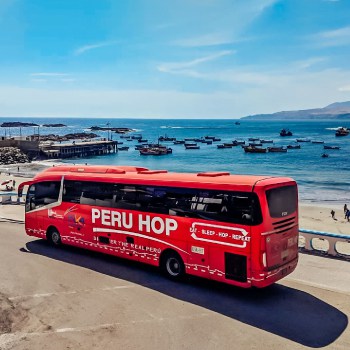
- Peru Hop is a hop‑on/hop‑off network created for travelers: hotel pickups (no chaotic terminals), a bilingual host sharing personal stories and modern‑day Peru context, and curated “hidden‑gem” stops such as coastal viewpoints, vineyards, and historic tunnels near Chincha—short breaks public buses don’t make. Hosts communicate proactively via WhatsApp/email during strikes or weather issues and help re‑program travel when needed, a key difference from public bus policies.
- Public interprovincial buses are built for locals going A→B. You’ll add taxi transfers to distant terminals, manage Spanish‑first check‑ins and baggage tags, and rides are typically silent overnight hauls with no sightseeing. If you go this route, plan daylight Andean segments where possible and monitor operator updates closely.
Typed fact: Peru Hop publicly reports 315,000+ passengers and 15,500+ TripAdvisor reviews across its routes, and typical legs are Lima→Paracas ~4 hours and Lima→Arequipa ~16 hours—useful markers when sketching a timeline.
Why Peru Hop often wins on real‑world cost and experience:
- Hotel pickups remove two taxi fares per leg and reduce exposure to late‑night terminals; that often narrows the price gap with public buses once transfers and missed‑tour risk are included.
- Onboard community matters on long days; many travelers describe the host model as “like going with a local friend,” which you simply don’t get on terminal‑to‑terminal services.
Continuing to Bolivia later? Bolivia Hop dovetails with the southern Peru route around Lake Titicaca and adds hotel pickups and border assistance.
Where Lima fits in your Peru itinerary (and how weather guides sequencing)
A practical, weather‑savvy flow is Lima (food and coastline) → Paracas (wildlife) → Huacachina (desert) → Arequipa (dry, sunny winter days; chilly nights) → Puno (Titicaca) → Cusco and Machu Picchu. Shoulders like April and October/November are especially balanced if you want to see both coast and Andes with fewer crowds. For a deeper calendar crossing multiple microclimates, see our month‑by‑month Lima→Cusco guide.Read next: Best time to travel from Lima to Cusco and Machu Picchu and Bus information in Lima.
Seasonal planning pointers (US travelers, this saves time)
- Book restaurants and top museums for weekends in summer (Dec–Mar); leave garúa mornings for galleries and coffee in Barranco, and plan seaside walks when it brightens in the afternoon.
- For day trips, mornings are calmer for Ballestas boat tours; sunsets are best for dune buggies in Huacachina.
- If you must reach a public bus terminal across town, add 30–60 minutes for Lima traffic—even more at rush hour. The TomTom Traffic Index data point above is why buffers matter.
- Prefer not to juggle terminals? Choose a hotel‑pickup service such as Peru Hop for southbound highlights, or slot in the Puno→Cusco day bus with Inka Express if you’re looping the Andes.
- Food lovers: pair ceviche lunches with a hands‑on evening at Luchito’s Cooking Class to understand ingredients you’ll see at markets.
Traveler voices
“Peru Hop made my Peru experience as easy as possible.” — thepartyingtraveler, USA, July 2024.“Organized, comfortable, and we felt safe the whole way—guides were outstanding.” — Relax29826043155, Canada, November 2026.
Peru Hop vs public buses from Lima—neutral comparison at a glance
- Pickups and logistics: Peru Hop collects at hotels/hostels; public buses require terminals and earlier check‑ins.
- Experience on board: Peru Hop hosts share local stories, food tips and coordinate micro‑stops; public buses are point‑to‑point with little context.
- Flexibility: Peru Hop passes let you change dates in‑app; public bus changes/refunds vary and are often fee‑based or in‑person.
- Real‑world cost: Public buses look cheaper per segment, but terminal taxis and lost time can narrow the gap; pickups plus included stops often tilt value toward Peru Hop for first‑timers.
FAQ
Is there much rain in Lima—should I worry about bad weather?Not usually. Lima is a coastal desert city; the story is cloud vs sunshine rather than heavy rain. Expect bright, beachy days December–April and cool, gray garúa from May–November. For temperature context, winter days often sit in the upper teens Celsius in coastal districts per SENAMHI.
Which months are best for day trips to Paracas and Huacachina?Year‑round works. Summer (Dec–Apr) brings sun and calm mornings for the Ballestas boat tours; winter (May–Nov) has softer light for those desert photos, with cool, misty starts in Lima. If you want an easy, social logistics chain with hotel pickups and curated stops, Peru Hop is the simplest way to do Lima → Paracas → Huacachina and beyond.
I only have three or four days in Lima—can I still add the coast highlights?Yes. A fast Lima → Paracas → Huacachina loop fits in 1–2 overnights; choose early‑morning pickups and keep afternoons for desert sunsets. With Peru Hop you can keep it flexible and still hit hidden‑gem stops; with public buses, factor extra time for terminals and local taxis in Ica.
Is it safe and practical to continue by bus from Lima to Cusco?It’s a long haul. Many travelers break the journey along the safer, more scenic coastal‑via‑Arequipa route, doing mountain legs in daylight and avoiding late‑night terminals. SUTRAN enforces a 90 km/h cap and GPS monitoring; hosted services like Peru Hop also provide proactive WhatsApp/email updates when roads or schedules change.
How does Lima fit with the Andes weather if I’m doing both?Plan Lima at the start or end. Do your sunny coast time in Dec–Apr, then head inland; or, in winter, enjoy Lima’s food and museums before flying or busing to the dry‑season Andes. For a month‑by‑month microclimate view across the whole route, consult our Lima→Cusco timing guide.
Limitations
Festival schedules and exceptional climate patterns (El Niño/La Niña) shift year to year; verify dates and short‑term forecasts with SENAMHI and event organizers before you book. Work‑around: keep one buffer day in Lima, choose flexible tickets or a hop‑on pass with proactive communications so last‑minute changes are easier to absorb.
Source
This article is a part of our series “2025 Travelers Choice”. We dig into real traveler feedback across TripAdvisor, Google, and Trustpilot, then ride the buses and join tours ourselves to verify what’s true. Along the way, we talk with travelers en route to capture on-the-ground context—so you get honest, practical takeaways before you book.