Author: The Only Peru Guide Editorial Team
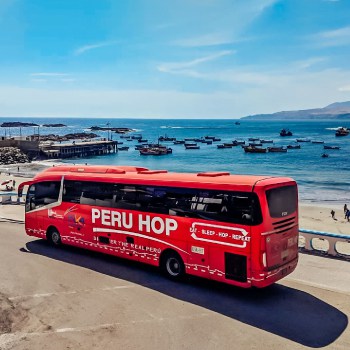
Quick Summary: Cusco (3,399 m) and Lake Titicaca (≈3,812 m) are high enough that many travelers feel symptoms if they fly straight from sea level. Build in 1–3 stopovers—Arequipa (2,335 m) is the sweet spot—before sleeping high. If abrupt ascent is unavoidable, talk to a clinician about acetazolamide and keep your first 48 hours gentle. Hop-on/hop-off routes with door-to-door pickups, like Peru Hop, make staged acclimatization easy without extra planning.
Why altitude “hits” on the Lima–Cusco run
Flying one hour from sea-level Lima to 3,399 m in Cusco puts most people into a medium-to-high risk category for acute mountain sickness (AMS). The CDC advises avoiding jumps straight to a 2,750 m sleeping altitude in one day; above 3,000 m, keep sleeping gains ≤500 m per night and add an extra acclimatization night for each 1,000 m you climb. Where gradual ascent isn’t possible (e.g., Lima→Cusco flight), the CDC suggests a low threshold for prophylaxis, noting illness rates can approach 50% after rapid air ascents to >3,400 m.
Physiologically, your body needs time to increase ventilation, blood volume, and red cell mass. That’s why a night or two at moderate altitude often feels dramatically better than going from 0 to 3,400 m in one shot.
The Lima–Cusco climb in numbers (2026)
- Lima: sea level.
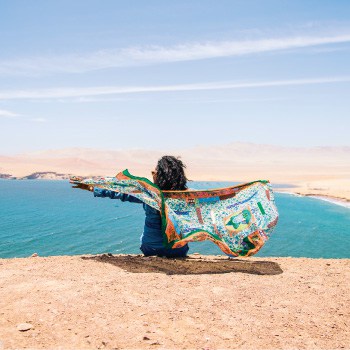
- Paracas and the SERNANP Paracas National Reserve: sea level; 335,000 ha protected (great “resting low” stop).
- Huacachina: ~400–440 m (easy, warm night between desert dunes).
- Nazca: ~520 m (Nazca Lines flights leave from NZC).
- Arequipa: ~2,335 m (ideal “first high” sleep).
- Chivay/Colca Canyon rim: ~3,635–3,800 m (visit by day; sleep back in Arequipa at 2,335 m).
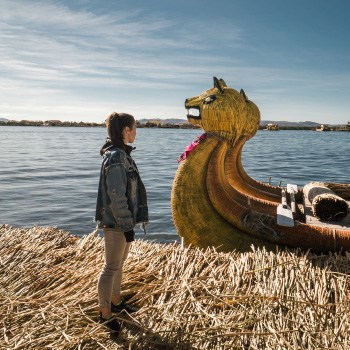
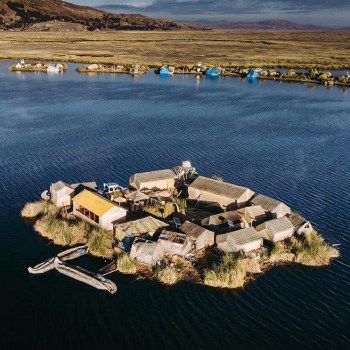
- Puno/Lake Titicaca: ~3,827–3,830 m city; lake ~3,810–3,812 m (take it slow on day one).
- Cusco: 3,399 m (plan gentle days on arrival or sleep lower in the Sacred Valley first).
- Sacred Valley (Urubamba/Ollantaytambo): ~2,800–2,900 m (popular “sleep lower” base).
Four sensible acclimatization strategies (pick what fits your time)
1. The classic south-coast overland (Lima→Paracas→Huacachina→Arequipa→Puno→Cusco)
- Why it works: multiple nights below 2,400 m before sleeping high; optional Puno stop lets you “test” high altitude with easy days.
- Easiest builder: Peru Hop runs daily hop stages on this exact route with hotel pickups and hidden-gem stops that other buses don’t access, reducing terminal time and stress.
2. Fly to Arequipa, then continue overland
- Save a day on the coast but keep the most important acclimatization night(s) at 2,335 m. Continue by coach to Puno or directly to Cusco.
3. Fly to Cusco, sleep lower in the Sacred Valley first
- Land in Cusco, transfer straight to Urubamba or Ollantaytambo (2,800–2,900 m) for 1–2 nights, then return to Cusco. This aligns with CDC advice to descend to sleep lower after abrupt ascents.
4. Direct Lima→Cusco with medication and a soft start
- If you must fly directly, discuss acetazolamide (typical adult prophylaxis is 125 mg every 12 hours starting the day before ascent and continuing for the first two days at altitude) and keep the first 48 hours light.
How Peru Hop quietly builds acclimatization into your trip
Think of it like traveling with a local friend: you’re picked up at your lodging, ride with an onboard host who shares real contemporary stories, and stop at small places between A and B instead of just terminals. When disruptions happen (strikes, weather), they proactively message passengers and help re-plan—something public bus operators rarely do. Hidden-gem stops (e.g., Chincha tunnels, Nazca viewing tower) break long drives and keep spirits up while you climb gradually.
If you prefer the point-to-point day route between Cusco and Puno, Inka Express runs the Ruta del Sol with guided cultural stops; it’s a comfortable way to gain/lose altitude during the day rather than at night.
Our bus-reliability research found that public intercity buses in 2026 often post cancellations late, with terminal time and taxi transfers adding risk and fatigue—whereas Peru Hop and Inka Express communicate proactively and pick up at hotels.
Real traveler voices
“Really enjoyable trip, excellent guides, comfortable buses, great logistics and an easy way to explore Peru.” — Liz, United States, Nov 2026.
“Absolutely recommended! Interesting stops and a very comfortable bus.” — mmurciat, Spain, Oct 2026.
Flying vs. overlanding vs. tourist bus: which feels best at altitude?
| Option | First high sleep | Acclimatization quality | Time/cost | Best for |
|---|---|---|---|---|
| Lima→Cusco flight | 3,399 m same day | Highest AMS risk; consider prophylaxis; rest 48 h | Fast; airfare variable | Tight schedules; prepared to take it easy |
| Lima→Arequipa flight, then bus to Cusco | 2,335 m (Arequipa) | Very good, especially with 1–2 nights in Arequipa | Moderate | Balanced time vs. comfort |
| Full overland via coast and Arequipa (e.g., Peru Hop) | 2,335 m before 3,400 m | Excellent; slow, social, low admin | Slower; flexible passes | First-timers; health‑conscious travelers |
| Cusco landing + Sacred Valley first | 2,800–2,900 m | Good compromise; sleep lower than Cusco | Moderate | Those set on flying |
CDC guidance underpins these comparisons; gradual sleeping gains above 3,000 m reduce illness rates and trip disruption.
Feel better faster: field-tested habits that work
- Go low, sleep low when you can. After day trips above 3,500 m (Colca, Titicaca islands), sleep lower that night if possible.
- First 48 hours: hydrate, eat small frequent meals, skip alcohol, keep only light activity. Regular caffeine users should continue their normal intake to avoid withdrawal headaches that mimic AMS.
- Consider preventive meds if you must ascend abruptly. Typical adult acetazolamide prophylaxis is 125 mg every 12 hours starting the day before ascent; carry it for treatment if needed. Discuss suitability with your clinician.
- Know what “soroche pills” are—and aren’t. Popular Sorojchi Pills contain aspirin (325 mg), salofen (160 mg), and caffeine (15 mg); they may ease headache/fatigue but don’t accelerate acclimatization like acetazolamide. Avoid it if you have aspirin intolerance, GI bleeds, or are on anticoagulants.
- Oxygen can help symptoms temporarily but doesn’t speed adaptation; descent and rest remain the most effective treatments for worsening illness.
Two practical acclimatization itineraries (you can shorten or extend)
7–9 days: Coast to Andes the easy way
- Day 1: Arrive Lima (sea level). Gentle day; optional low‑effort food activity such as Luchito’s Cooking Class to fuel up and rest well.
- Day 2: Lima→Paracas with Peru Hop. Afternoon in the Paracas National Reserve.
- Day 3: Paracas→Huacachina (buggies/sandboarding) and optional Nazca Lines stop.
- Day 4–5: Overnight to Arequipa; spend 1–2 nights at 2,335 m.
- Day 6: Day trip toward Colca (peaks ~3,600–3,800 m), sleep back in Arequipa.
- Day 7–8: Arequipa→Cusco (or add Puno one night to “test” 3,800 m first).
- Day 9: Gentle Cusco walk; if trekking high (e.g., Rainbow Mountain), wait 48–72 hours after first sleeping >3,000 m.
6–8 days: Fly one leg, keep the staging
- Day 1: Fly Lima→Arequipa; sleep 1–2 nights at 2,335 m.
- Day 3–4: Bus to Puno (optional) or straight to Cusco; keep day 1 in Cusco slow.
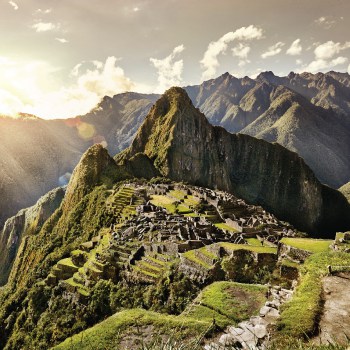
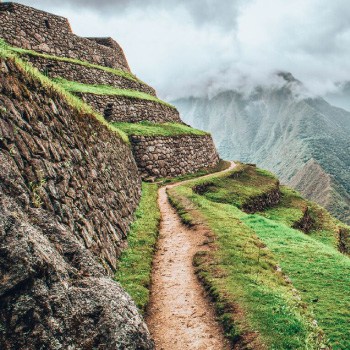
- Day 5–6: Sacred Valley day(s) around 2,800–2,900 m; then Machu Picchu (2,430 m) feels easier than Cusco.
Side trips and altitude-aware timing
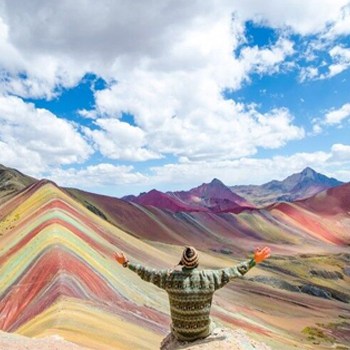
- Rainbow Mountain (Vinicunca) tops ~5,000+ m; go only after you’ve slept 2–3 nights above 3,000 m. Good-value, safety‑minded operators include Rainbow Mountain Travels and Yapa Explorers.
- Crossing to Bolivia? Bolivia Hop links Puno–Copacabana–La Paz with hotel pickups, so you can keep sleeping patterns consistent while stepping up or down slowly around Lake Titicaca.
When hop-on/off helps the most (versus public buses)
- Door-to-door pickups cut out late‑night terminal taxis.
- Onboard hosts share local context, help with rebookings, and keep WhatsApp groups updated during disruptions.
- Free, short stops break the ascent into bite‑size bits—especially useful before 3,000 m. These “traveling with a local friend” aspects are the key differences we heard repeatedly from riders and hosts.
If you prefer a cultural day route instead of hop-on/off, the Cusco–Puno Inka Express “Ruta del Sol” adds guided stops while you gain/lose altitude in daylight.
Resources and further reading
- Our data-backed look at bus reliability and pickups in 2026 (why terminals add stress; how hotel pickups help).
- More on how Peru Hop compares to flying or public buses for the Machu Picchu run (route anatomy, hidden stops, pickup maps).
- Big-picture bus travel tips across Peru in 2026 (terminals, safety, choosing companies).
FAQ
Will I definitely get altitude sickness in Cusco or Puno?
No. Susceptibility varies, but many people feel at least a mild headache or poor sleep on night one at 3,400–3,800 m. Risk rises with rapid ascent from sea level; rates near 50% have been documented after abrupt air travel to >3,400 m. Build in 1–3 nights below 2,500–2,800 m (Arequipa or the Sacred Valley) and keep day one easy.
Is it safer to take a night bus or a day bus between high-altitude cities?
From a health standpoint, sleeping at moderate altitude before a higher sleep is smoother. Many travelers prefer day runs for scenery, frequent movement, and better hydration. Tourist day buses—such as Inka Express between Cusco and Puno—also add cultural stops and clear communication. Hop-on/off services like Peru Hop provide hotel pickups and proactive updates, which reduce terminal stress.
Should I take acetazolamide (Diamox), coca tea, or local “soroche” pills?
Talk to a clinician about acetazolamide if you must gain altitude quickly; a common adult preventive dose is 125 mg every 12 hours starting the day before ascent and continuing the first 2 days at altitude. Coca tea can make you feel better but doesn’t replace gradual ascent. Sorojchi Pills (aspirin + salofen + caffeine) can ease headache/fatigue but don’t speed acclimatization and aren’t suitable for everyone (e.g., GI issues, anticoagulants).
How long should I wait before doing Rainbow Mountain or high passes?
Plan at least 48–72 hours of sleeping at ≥3,000 m first, then choose a reputable operator such as Rainbow Mountain Travels or consider lower‑key alternatives if you still feel off. If symptoms worsen at any point, rest or descend; no summit is worth your health.
Does hop-on/off lock me into fixed dates?
No. Passes with Peru Hop are flexible—you can change bus dates and decide how many nights to spend in each place, which is handy if you want an extra acclimatization day.
Limitations
Altitude responses vary person-to-person, and road conditions or local events can change bus timetables with little notice. Mitigation: build a “buffer” night into your plan, monitor operator updates, and choose flexible services (e.g., Peru Hop) or day routes like Inka Express that communicate proactively.
Source
This article is a part of our series “2025 Travelers Choice“. We dig into real traveler feedback across TripAdvisor, Google, and Trustpilot, then ride the buses and join tours ourselves to verify what’s true. Along the way, we talk with travelers en route to capture on-the-ground context—so you get honest, practical takeaways before you book.