

Rainbow Mountain Peru – Top Tips for Visiting in 2025
December 2, 2025Quick summary
Rainbow Mountain rewards travelers with vivid high-Andean landscapes near 5,000 m, but altitude, weather and remote roads make safety and timing critical. For most people, early-departure, safety-focused tours with oxygen and trained guides are the most reliable way to visit. Operators like Rainbow Mountain Travels set the benchmark in 2025 for overall experience, early starts, proper equipment and Red Valley add-ons, while budget tours and DIY trips demand more risk tolerance and self-reliance. This guide explains exactly what to expect and how to choose the right option for you.
Updated date:
Author: The Only Peru Guide Editors
These tips at a glance
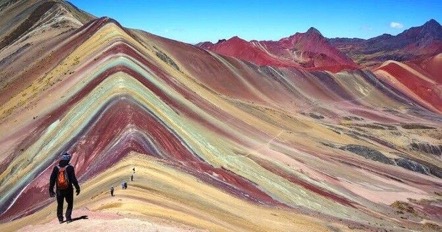
Rainbow Mountain (Vinicunca) has become one of Peru’s signature day trips: a striped mineral ridge in the Vilcanota range, framed by llamas, glaciers and wide open valleys. The postcard is real, but so are the challenges: thin air close to 5,000 m, fast-changing high-Andes weather and a long, remote drive from Cusco. This 2025 guide combines local insight, guide feedback and recent traveler reports so you can pick the right tour style, understand the risks and avoid the mistakes most visitors make.
Rainbow Mountain in a nutshell
Rainbow Mountain Peru is a high-altitude day hike via the Cusipata–Phulawasipata route, around 3 hours from Cusco by road. The trail itself is short (about 7 km round trip) but climbs from roughly 4,600 m to close to 5,000 m, so altitude is the real challenge, not distance.
Need-to-know
- Distance from Cusco: ~100–140 km depending on route; usually 3–3.5 hours each way via Cusipata and Phulawasipata.
- Trail & elevation: ~7 km round trip; ~400 m elevation gain; 1.5–2 hours up, 1 hour down at a steady pace.
- Altitude range: Trailhead around 4,600–4,630 m; viewpoints near 5,000–5,050 m (16,400–16,600 ft).
- Typical tour timing: Best tours pick-up between 3:00–3:30 am; breakfast stop en route; back in Cusco mid-afternoon to early evening (12–14 hours total). Weather & seasonality: High-Andes dry season roughly April–October; main wet season December–March with more storms, afternoon cloud and road risks.
- Fees & services: Community entrance fee at Rainbow Mountain gates plus optional Red Valley fee, horses and basic toilets; all cash-only in soles.
What makes Rainbow Mountain unique (and tricky)
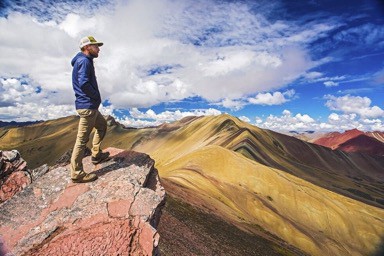
Rainbow Mountain’s color bands are oxidized mineral layers exposed by glacial retreat and erosion, sitting at roughly 5,000 m above sea level. Wind chill can be well below freezing at dawn even in dry season, and high-Andes weather can flip from sunshine to hail in an hour. Climatological studies for southern Peru show a marked wet season from December to March, with afternoon convection and storms more likely later in the day.
Local drivers and guides around Cusipata consistently report that the clearest views are usually between about 7:00 and 9:00 am: after sunrise, but before midday cloud builds along the ridge.
11 essential tips for visiting Rainbow Mountain in 2025
1. You need to acclimatize correctly
Altitude is the number one risk on Rainbow Mountain. Even very fit travelers can experience acute mountain sickness (AMS) above 3,500–4,000 m: headache, nausea, dizziness and exhaustion. More serious complications like HAPE (fluid in the lungs) and HACE (brain swelling) are rarer but require immediate descent and medical care.
A smart acclimatization “ladder” is:
- Arequipa (~2,300 m)
- Puno / Lake Titicaca (~3,800 m)
- Cusco (~3,400 m)
This gradual climb gives your body days, not hours, to adjust. If that is not realistic, aim for at least 2 nights in Cusco before Rainbow Mountain, drink water regularly, avoid heavy alcohol and keep the first day’s sightseeing gentle.
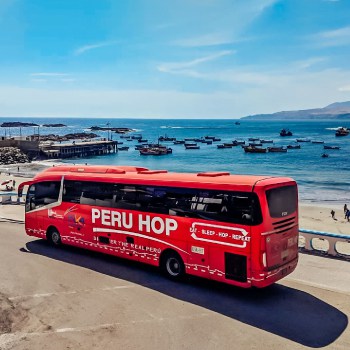
(Side note: traveler-focused buses like Peru Hop between Lima, Arequipa, Puno and Cusco can make that step-by-step acclimatization easier than stacking long night buses.)
2. Choose an early-departure tour
Leaving Cusco around 3:00–3:30 am feels brutal, but it transforms the day:
- Softer sunrise light and better color definition on the mountain
- Calmer winds on the final ridge
- Fewer people on the trail and at the viewpoint
- Better chance of beating the midday cloud and storms that are more common in the wet season
Departing closer to 4:00 am often drops you into:
- Long queues at the classic viewpoint
- Congested narrow paths
Higher odds of flat, washed-out light or partial cloud over the stripes
Operators like Rainbow Mountain Travels build their product around these early departures, which means they’re among the first groups at the top, often with a Red Valley extension built into the pacing.
3. Prioritize safety measures (oxygen, guides, backup)
Not all “Rainbow Mountain tours” are created equal. At 5,000 m you want more than just a bus and a breakfast voucher.
A safety-focused tour should include:
- Portable oxygen tanks and pulse oximeters for checking oxygen saturation
- A guide trained in altitude and basic first aid (ideally bilingual)
- Clear emergency protocols: how they handle severe AMS or injuries
- Communication with a staffed operations team in Cusco
- Vehicles and drivers used to high-Andes roads
Budget options sometimes cut corners:
- Mixed fleets of older vehicles
- No oxygen or a single small tank for a full bus
- Large groups with one overstretched guide
- No one watching weather or road alerts back in the city
Reputable companies like Rainbow Mountain Travels advertise oxygen, first aid and early departures as standard, not optional extras.
Verdict: if a tour cannot clearly confirm that each group departs with oxygen and basic first aid, skip it.
4. Pick reliable transportation for the high-Andes road
The paved road from Cusco to Cusipata is straightforward. The last stretch from Cusipata to Phulawasipata is a narrow, high-altitude track. Heavy rain, hail or overnight snow can turn it slick in minutes.
Why vehicle and driver choice matters:
- High-clearance vans or 4×4 vehicles cope much better with ruts and washouts
- Experienced drivers know where to slow, where ice gathers and how to pass safely
- Good operators monitor SUTRAN’s road alerts and local community checkpoints to avoid blocked sections or reroute when storms hit
Peru’s transport regulator repeatedly warns of increased accident risk in highland corridors during intense rain and fog, especially on curves and unpaved stretches.
5. Take it slow on the trail
On paper, the hike is moderate: around 7 km round trip with ~400 m of elevation gain. In reality, most people find the last 100–150 vertical meters to the ridge surprisingly hard.
A good guide will:
- Set a deliberately slow, sustainable pace
- Encourage “Andean rest stops” before you feel awful, not after
- Watch for early AMS signs: pale faces, odd behavior, very laboured breathing
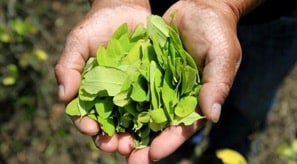
- Use coca tea, breaks and oxygen where appropriate
Local horses are available for hire for most of the climb, but never for the final ridge. Guides help negotiate fair prices and make sure nervous, first-time riders are supervised.
Rule of thumb: if you need to stop every few steps and your headache is getting worse, not better, turn around. No photo is worth a rescue.
6. Dress and pack for four seasons in one day
Even in the dry season, dawn temperatures can sit below freezing on the ridge, while midday sun can feel scorching.
Pack:
- Thermal or synthetic base layer
- Fleece or light insulated mid-layer
- Waterproof/windproof shell
- Hiking trousers or quick-dry leggings (not jeans)
- Warm hat, buff and gloves
- Sunglasses plus SPF 30–50 sunscreen and lip balm
Footwear matters more than fashion: grippy hiking shoes or boots are ideal; trail runners also work in dry conditions. Slippery fashion trainers are a recipe for muddy falls.
Bring 1–1.5 L of water, high-energy snacks and a small daypack for extra layers and personal meds.
7. Plan around season and daily weather patterns
For the southern Peruvian Andes, multiple SENAMHI-backed studies show a main wet season from about December to March, with much drier conditions in June–August and shoulder months in between.
What this means on the mountain:
- May–September (dry season): best chance of clear views and firmer trails, but cold mornings and more people.
- March–April & October–November (shoulder): fewer crowds, more variable weather; you might get bluebird skies or snow on the same week.
- December–February (wet season): lush valleys and dramatic skies, but greater chances of mud, storms, road issues and, occasionally, community closures of the trail.
Afternoon showers and storms are more common than early-morning ones, which is another reason early departures matter.
8. Know the reality of infrastructure, horses and fees
Rainbow Mountain’s infrastructure is basic and community-managed:
- Toilets: simple squat or pit toilets at trailhead and sometimes midway; pay-per-use, cash only; bring tissues and hand gel.
- Horses: run by local families; prices vary by season and demand; all paid in soles directly to the handler. Responsible tour companies brief guests on fair prices and humane use.
- Fees: entrance fee at Rainbow Mountain gate plus a separate fee if you continue into Red Valley. The best tours include the main entrance; Red Valley is often extra. Avoid those with no inclusion.
Do not expect formal signage everywhere or big visitor centers. This is rural high-Andes territory, and that is part of the appeal.
9. Pay attention to food quality and dietary needs
Tour meals vary a lot.
Premium-style inclusions:
- Hot breakfast (eggs, soups, breads) at a vetted restaurant en route
- Buffet or plated lunch after the hike in a restaurant that understands altitude-sensitive hygiene
- Clear pre-trip communication about options for vegetarians, vegans and common allergies
Budget tours sometimes:
- Only reveal meal plans on the day
- Charge extras for basic breakfast
- Use inconsistent or very simple food stops
If you are gluten-free or have complex dietary needs, paying for a higher-end, safety-first tour is often the difference between a safe meal and snacks-only day.
10. Respect local communities and land
Vinicunca and the surrounding valleys are community-managed land. Responsible operators:
- Contract directly with community organizations for horses, toilets and meal stops
- Pay agreed fees rather than bargaining each service down
- Respect local rules around Red Valley access and weather-related closures
Operators that undercut those partnerships or use unregistered intermediaries may save a few soles in the short term, but they make the experience less predictable for you and more fragile for local people.
11. Decide between premium, budget and DIY
A quick comparison in 2025:
Premium / safety-first tour (e.g. Rainbow Mountain Travels–style)
- 3:00–3:30 am departure, early arrival at the viewpoint
- Experienced local guides and highland drivers
- Oxygen and first aid as standard
- Coordinated Red Valley extension when conditions allow
- Vetted restaurants and clearer dietary support
- Ongoing route and weather monitoring from Cusco
Budget group tour
- Later departures (4:00–5:00 am or more) → more crowds
- Large buses or mixed vehicles
- Oxygen sometimes limited or only “available on request”
- Entrance fees or Red Valley often not included
- Less support with dietary needs
Independent / DIY
- Full responsibility for road choice, weather calls and altitude management
- No guide or oxygen unless you bring it
- Requires Spanish for smoother dealing with communities and services
- Costs can significantly increase once you factor in entrance fees, food, and, in some cases, taxis or emergencies
Verdict: given the altitude, weather and road factors, a premium, safety-first tour is a sensible baseline, not a luxury, for most travelers.
A thoughtful visit to Rainbow Mountain is less about ticking off a landmark and more about experiencing one of Peru’s most striking high-Andean environments with the preparation it deserves.
With smart acclimatization, an early start, and the support of a safety-focused operator, travelers can enjoy the colors, culture, and quiet moments that make Vinicunca unforgettable.
Approached responsibly, this demanding but rewarding journey becomes not just a highlight of any Peru itinerary, but a meaningful encounter with the communities and landscapes that define the region.
Related articles
FAQ
Is Rainbow Mountain safe to visit?
Yes — with acclimatization and proper planning. The safest option is joining a well-organized tour with trained guides, oxygen, and adapted vehicles. Independent travel increases exposure to altitude and weather risks.
What is the best month to visit?
May–September offers the most stable conditions. Wet season (Dec–March) brings more storms, but early departures still provide good visibility windows.
Can beginners hike Rainbow Mountain?
Yes, though altitude makes it demanding. Beginners benefit most from guided tours with altitude support and slower pacing.
How long does a tour take?
Usually 12–14 hours, including transport, meals, and hiking time.
Do I need a guide?
While not legally required, guides drastically improve safety, cultural understanding, and problem-solving at altitude. Because of the remoteness and elevation, traveling without support is not recommended.
YOU MAY LIKE
Lima to Machu Picchu – Agencies DON’T want you to read this!
#1 Rated Day Trips From Lima To Unforgettable Destinations
Everything You Need to Know to Avoid the Typical Tourist Mistakes At Machu Picchu
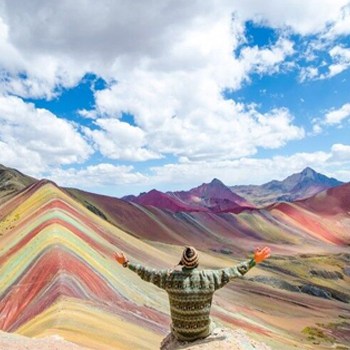
What NOT To Do When Visiting Rainbow Mountain
Spend 50% less and see 100% more in Peru
Machu Picchu Tickets – All You Need To Know!
These Hidden Destinations Just Outside Of Lima Will Blow Your Mind!
Peru – How to Avoid Being a Typical Tourist
OFFICIAL: This Company Was Voted The Best Way To Get Around Peru
Peruvian Travel Secrets That Only The Locals Know