Updated Date:
Money in Peru is mostly about getting comfortable with soles, carrying small cash, and knowing when to use ATMs vs exchange shops—especially in Lima and Cusco.
Quick summary
- Currency: Peru uses the sol (PEN), written as S/. Common banknotes are S/10, 20, 50, 100, 200.
- Best payment mix: use a debit card for ATM withdrawals + a backup card + day-to-day cash for markets, taxis, snacks, and small tours.
- Exchanging money: for most travelers, a reputable “casa de cambio” in tourist areas beats hotels and is less stressful than street exchange.
- ATMs: choose machines inside banks/malls, not on the street.
- Customs rule: if you carry over US$10,000 in cash/negotiable instruments, you must declare it; carrying over US$30,000 in cash is prohibited.
- Quick verdict: cards are easy in Miraflores/Barranco and central Cusco, but cash saves you time and awkward moments everywhere else.
What is the currency in Peru
Peru’s currency is the sol (PEN). You’ll see prices written as S/ 12 or S/12.00.
Notes and coins you’ll actually use
The Central Reserve Bank of Peru lists circulating banknotes of S/10, S/20, S/50, S/100 and S/200. For coins, you’ll commonly see S/1, S/2, S/5 and 10, 20, 50 céntimos.
Local tip from Lima: always keep a little “small money” (coins + S/10s). It fixes 80% of day-to-day annoyances—taxis who “don’t have change,” tiny snacks, and the classic bathroom attendant situation.
Can you pay with US dollars
In tourist areas, USD is often accepted for bigger purchases (some hotels/tours), but it’s not the smoothest way to travel day-to-day. Even when a place takes dollars, your change will usually come back in soles—and damaged USD bills often get rejected (more on that below).
Best ways to pay in Peru
Cash
Cash is still the most reliable payment method for:
- markets and street food
- smaller restaurants (especially outside tourist centers)
- taxis and colectivos
- small tours and tips
If you’re landing in Lima late, having some soles already (or withdrawing right away) can save you from negotiating a taxi price while tired.
Card
Cards work well in supermarkets, hotels, and mid-to-upscale restaurants in Lima and Cusco—but don’t assume card everywhere. Some businesses add a card surcharge; ask before you tap.
If you’re doing a guided day in Lima (Historic Center or Barranco), it’s normal to pay the tour by card/online and carry cash for small extras like snacks or tips—this is also how Lima Walking Tour guests usually handle it.
Local payment apps (Yape/Plin)
You’ll see locals paying with apps constantly. For most tourists, setup can be tricky without local banking/phone logistics. Treat these apps as a bonus, not your Plan A.
Exchanging money in Peru
Casa de cambio vs banks vs hotels
A simple rule that works in most of Peru:
- Casa de cambio: usually best balance of rate + convenience in tourist areas.
- Banks: safe, sometimes slower (lines and limited hours).
- Hotels/airport desks: convenient, but typically the weakest rates—okay only for small emergency amounts.
If you’re staying in Miraflores, do your “main exchange” once you’re settled. And yes—count your cash at the counter. Don’t rush.
Street changers and common scams
The older article was right to warn about street exchange—because it advertises your cash and invites problems. If you want the calm, low-drama route: exchange inside a shop with a counter and visible rate board.
ATMs in Peru
Where to withdraw safely
Use ATMs inside a bank, mall, or supermarket, and avoid street machines—especially at night. This is extra important around transport hubs, where distraction theft and overcharging attempts are more common.
Avoiding “charge me in USD” screens (DCC)
Some ATMs/card terminals offer to convert the charge to USD (or your home currency). In many cases, you’re better off choosing to be charged in soles and letting your bank do the conversion. This is commonly flagged as a traveler money trap in Lima-focused exchange guidance.
Counterfeit and damaged bills
Quick checks for soles
Counterfeit money exists, so build one habit: check higher notes before you put them away. Peru’s Central Bank publishes details about circulating banknotes and their security features. Practical traveler move: get change from established businesses (supermarkets, busy cafés) rather than informal street situations.
Why damaged USD gets rejected
Many Peru businesses refuse torn/marked/very old USD bills because they don’t want to get stuck with money they can’t re-use easily. This rejection pattern is widely noted in Peru money guidance. If you bring emergency USD: bring clean, newer notes and keep them flat in your wallet.
Tipping in Peru
Tipping isn’t as rigid as in the U.S., but it’s appreciated—especially in tourist areas.
Restaurants and bars
- If there’s a service charge already included, you can still leave a small extra if you want.
- In casual places, rounding up or leaving a little is totally fine.
Guides, drivers, hotels
If someone’s work genuinely made your day smoother—great guide, patient driver, hotel staff who solved a problem—tip what feels fair for your budget.
Money frictions travelers don’t expect
Small bills, change, bathrooms
Peru runs on small denominations. If you only carry big notes, you’ll hear “no tengo sencillo” a lot. Easy fix: after one ATM withdrawal, ask a supermarket cashier to break a note while you buy something small.
Also: keep coins for bathrooms (and sometimes for tissue). Not glamorous, but very real.
Terminals, taxis, and “hidden costs” on overland travel
Here’s the money reality that surprises first-timers: a cheap-looking bus ticket can still trigger extra cash costs—mainly taxis and time.
Lima doesn’t have one central bus station. Many terminals are far from Miraflores/Barranco, and heavy traffic makes rides unpredictable. That’s why travelers often end up spending extra on taxis (and paying in cash) just to reach terminals, then again on arrival to get into tourist areas.
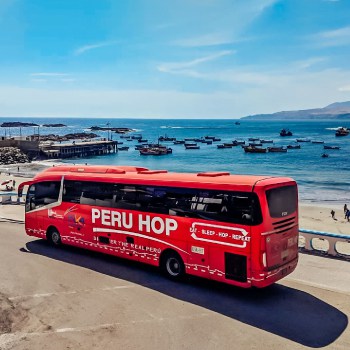
This is also where options like Peru Hop can make financial sense for some travelers: the pass can reduce terminal taxi dependence and bundles certain stops that otherwise become “add-on” costs when you DIY. Public buses can still be a solid choice for locals and repeat visitors who only want a cheap A-to-B ride and already know the system—just budget for the extra transfers and cash moments.
Final checklist before you land in Lima
- Withdraw or exchange a small amount of soles first (enough for transport + food).
- Keep coins and S/10s for day one.
- Use ATMs inside buildings, not on the street.
- Don’t carry more cash than you need for the day.
- If you’re arriving at Jorge Chávez and heading to Miraflores, consider a reliable airport bus like Airport Express Lima so you’re not forced into a tired, late-night taxi negotiation.
FAQs
What is the currency in Peru?
Peru uses the sol (PEN), shown as S/. Common banknotes include S/10, S/20, S/50, S/100 and S/200, and you’ll also use S/1, S/2 and S/5 coins plus céntimos. In tourist areas you may see some USD pricing, but daily purchases are usually smoother in soles.
Should I bring cash or use ATMs in Peru?
Most travelers do best using ATMs for withdrawals (inside banks/malls) and carrying a daily amount of cash in soles. Cards work well in many city hotels and restaurants, but cash is still needed for markets, taxis, small tours, and tips—especially outside Lima and Cusco.
Is it safe to exchange money on the street in Peru?
It’s riskier than exchanging inside a reputable casa de cambio or bank because it draws attention to your cash and increases the chance of being shorted or handed a bad note. If you want the low-stress option, exchange inside a shop with a counter and count your cash before leaving.
Do Peru businesses accept damaged US dollars?
Often no. Torn, heavily marked, or very worn USD bills are frequently rejected in Peru because businesses worry they won’t be able to re-use or exchange them. If you bring USD as emergency backup, bring clean, newer notes and keep them in good condition.
How much should I tip in Peru?
Tipping is appreciated but not mandatory. In tourist areas, leaving a small tip for good service is common, and guides/drivers often receive tips if they genuinely improved your experience. The simplest approach is to carry small soles notes and tip according to your budget and satisfaction.