Updated Date:
Puno altitude is about 3,827 m / 12,556 ft—high enough that if you come straight from Lima (sea level), you can feel it within the first few hours. For many travelers, Day 1 in Puno is when a “normal walk” turns into getting winded on gentle hills, plus a headache or light nausea that shows up fast.
The good news: most soroche (altitude sickness) in Puno is avoidable if you treat your first day like a soft landing—rest, light food, stay warm at night, and don’t go higher until you feel steady.
Quick summary
Key elevations
- Puno (city): ~3,826–3,830 m
- Lake Titicaca (lake surface): ~3,812 m
- Juliaca airport (JUL): ~3,825 m (12,549–12,552 ft range depending on source)
Best “don’t get sick” plan
- First 24 hours: rest, light meals, gentle walking only, minimal alcohol.
- Sleep warm: cold nights + altitude = worse sleep, worse symptoms.
- Don’t go higher if you feel bad. (This is the single most ignored rule.)
When to worry
- Confusion, balance/coordination problems, shortness of breath at rest, or coughing frothy/bloody spit = get medical help immediately.
Puno altitude chart (meters and feet)
Think of this as your “how hard will it feel?” cheat sheet:
- Puno (city): ~3,826–3,830 m / ~12,550 ft
- Lake Titicaca (surface): ~3,812 m / 12,507 ft
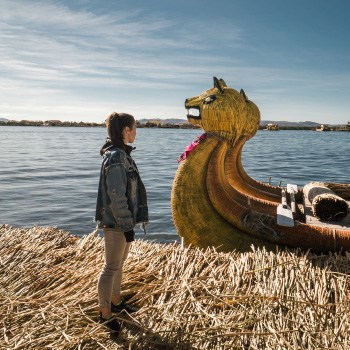
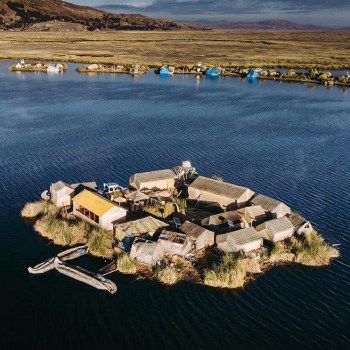
- Uros floating islands area: ~3,810 m / ~12,500 ft
- Taquile (main village): ~3,950 m; highest point: ~4,050 m
- Amantaní (peaks/points of interest): can exceed ~4,000 m (tourism references commonly cite ~4,063 m for high points)
What “Puno altitude” actually feels like
At 3,800+ meters, the air pressure is lower, so each breath delivers less oxygen than you’re used to. The result: your “easy pace” becomes your “effort pace.” That’s why carrying a backpack up a slight hill can feel weirdly tough on Day 1.
Puno vs Cusco: which feels tougher?
Cusco is high (3,399 m), but Puno is higher—and some travelers feel Puno more, especially if they fly in and start moving immediately.
How we made this guide
This article is built for real trip planning: how people arrive (flight vs bus), what they do on Day 1, and what usually triggers soroche. We also align with the site’s broader acclimatization guidance: rapid jumps in sleeping altitude are the biggest problem, not “lack of fitness.”
Altitude sickness in Puno (soroche)
Common symptoms
Typical acute mountain sickness (AMS) symptoms include headache, fatigue, dizziness, nausea, appetite loss, and poor sleep—often starting within hours of arrival.
Red flags: get medical help
If you’re confused, can’t walk straight, feel short of breath even at rest, or have a cough with frothy/bloody spit, treat it as urgent.
Who should be extra careful at Puno altitude
Be more conservative (slower schedule, extra rest days, consider medical advice in advance) if you:
- have heart/lung conditions (including uncontrolled asthma)
- are pregnant
- have anemia or recently had a respiratory infection
- are traveling with small kids
- have a history of severe altitude illness
What to avoid in your first 24 hours
These are the most common “I ruined Day 1” moves:
- Rushing a full-day lake tour the same day you arrive. Many Taquile/Amantaní tours start early anyway, so plan a night in Puno first.
- Big uphill walks with luggage (get settled first).
- Heavy meals + alcohol on Night 1 (worse sleep, worse nausea).
- Trying to “push through” symptoms and then going even higher.
What to drink at Puno altitude (with local herbs)
Best everyday drinks
- Water (small sips through the day).
- Agua con electrolitos (or a pinch of salt + a little sugar in water if you’re traveling simple).
Herbal teas people actually drink in the Andes
- Muña tea (mate de muña): super common in the highlands; many travelers find it gentle on the stomach and comforting.
- Ginger tea (mate de kión / jengibre): nice if you feel a bit queasy or “off.”
- Chamomile (manzanilla): calming, especially at night if you’re sleeping lightly.
- Anís (anise tea): often used after meals to feel less bloated.
About coca tea (mate de coca)
It’s a classic on arrival and some people find it soothing, but treat it as comfort, not a guaranteed cure.
What to skip on Day 0–1
- Lots of alcohol
- Energy drinks
- Too much coffee if you’re already jittery or sleeping poorly
What to eat at Puno altitude (easy foods + local staples)
Go “light and warm”
- Soups: caldo de pollo, sopa de verduras, quinoa soup (sopa de quinua)
- Simple carbs: rice, potatoes, bread, toast
- Breakfast-friendly: oatmeal (avena), banana, yogurt (if you tolerate dairy)
Ingredients that usually feel altitude-friendly
- Quinoa (light but filling)
- Potato / sweet potato (easy energy)
- Ginger (in tea or a light broth)
- Lemon (in warm water or soup—nice when you feel “meh”)
Avoid (first night especially)
- Greasy / heavy meals
- Huge portions
- Spicy bombs if your stomach feels sensitive
Day-by-day acclimatization plan (Day 0–3)
Day 0 (arrival):
Check in, hydrate normally, eat light, and walk only on flatter streets. If you flew into Juliaca, treat the entire afternoon as “recovery time” because you landed at essentially Puno altitude.
Day 1:
Do low-effort activities: plaza strolls, viewpoints only if you feel okay, early night. Keep caffeine and alcohol modest.
Day 2:
Uros is a good “first lake day” because it’s close and not significantly higher than Puno.
Day 3:
If you’re feeling solid, then consider Taquile/Amantaní—just remember Taquile’s walking can reach ~3,950–4,050 m, and Amantaní viewpoints can push past 4,000 m.
How to get to Puno with the least altitude shock
Fly to Juliaca then transfer
Fast, but the altitude hit is immediate: JUL sits around 3,825 m. Plan a calm arrival day and avoid stacking activities right after landing.
Bus to Puno
- Public buses can be practical, but they often involve terminals + taxis + more self-managing if anything changes. Many travelers find long routes feel smoother when they’re broken into a stop (for example, via Arequipa) instead of doing one big jump.
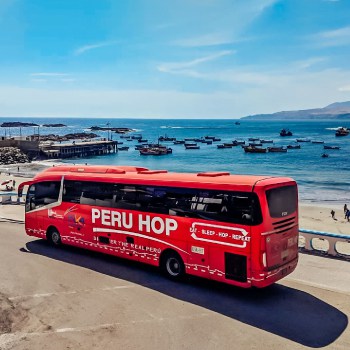
- A guided overland option (like Peru Hop) can feel easier for first-timers because you’re not doing everything alone at terminals, and you’re less likely to stack stressful logistics right after a big altitude jump. It’s usually slower than flying, but many travelers find it calmer and more supported, which helps you keep Day 0 light. If you’re altitude-sensitive, the “smooth logistics + slower pace” combo can be a real win.
Stepwise routes that feel easier
A lot of travelers do better with a gentler climb:
- Lima → Arequipa (~2,335 m) → Puno
This gives your body a “middle step” before the altiplano.
Peru Hop vs public buses vs flights (honest comparison)
- Flights (via Juliaca): best for tight schedules, but altitude shock is real, and transfers add friction.
- Public buses: straightforward for Spanish-speaking travelers who just want A → B, but expect terminal/taxi logistics and less support if plans change.
- Peru Hop / hop-on hop-off style: slower, but often smoother for first-timers because the journey becomes part of the trip and can reduce “airport jump” stress; this site discusses that trade-off directly.
Puno altitude cheat sheet (meters, feet, and what it feels like)
| Place | Elevation (m) | Elevation (ft) | How it usually feels | Notes |
|---|---|---|---|---|
| Puno (city) | ~3,827 | ~12,556 | “Effort pace” on Day 1 | Hills + bags hit harder |
| Lake Titicaca (surface) | ~3,812 | ~12,507 | Slightly easier, but still high | Not a “fix” for symptoms |
| Uros area (lake) | ~3,810 | ~12,500 | Similar to the lake | Good first lake day |
| Taquile (main village) | ~3,950 | ~12,959 | Noticeably harder walking | Hikes can reach ~4,050 m |
| Amantaní (high points/viewpoints) | 4,000+ | 13,123+ | Harder, especially stairs | Avoid if still symptomatic |
Altitude + cold + sun: why Puno can feel intense
Puno isn’t only high—it’s also dry, cold at night, and sunny at midday, which can amplify headaches and fatigue. Lake breeze + cold evenings can mess with sleep, and sleep is one of the biggest drivers of “why do I feel worse today?”
Seasonal note (dry vs rainy season in Puno)
Puno has big day–night swings. Even in “nice” months, nights can be close to freezing, and dry-season sun can feel surprisingly strong.
Altitude myths (what helps, what doesn’t)
- Myth: “I’m fit, so I won’t get soroche.”
Fitness helps recovery, but it doesn’t immunize you from altitude illness. - Myth: “Just drink tons of water.”
Overhydrating won’t fix AMS; steady hydration + rest + pacing works better. - Myth: “Coca tea cures altitude.”
Some people find it soothing, but treat it as comfort—not a medical fix. If you’re getting worse, the correct move is rest and not going higher (or descending if severe).
Quick, low-effort Day 1 in Puno
- Check in, rest 60–90 minutes
- Light lunch (soups are your friend)
- Easy walk near the center (no “stairs mission”)
- Early night in warm layers
Safety and emergency basics
If you feel unwell, tell your hotel—many can help you contact a clinic or arrange oxygen support. If severe symptoms appear (confusion, breathlessness at rest), treat it as urgent and get medical help.
FAQ
How high is Puno, Peru?
Puno sits at roughly 3,826–3,830 meters (about 12,550 ft) above sea level. Most travelers coming from Lima feel the altitude in the first 6–24 hours, especially with stairs, heavy bags, or fast walking.
Is Lake Titicaca lower than Puno?
Slightly. The lake surface is around 3,812 m (12,507 ft), which is close enough that you should still acclimatize properly. Don’t assume a boat day will “fix” altitude symptoms.
What altitude is Juliaca airport (JUL)?
Juliaca airport is around 3,825 m. So flying in is fast, but it’s a sudden altitude jump. Plan a calm arrival afternoon and avoid stacking big activities right after landing.
What are the most common soroche symptoms in Puno?
The most common are headache, fatigue, shortness of breath on exertion, mild nausea/low appetite, dizziness, and poor sleep the first night. Mild symptoms usually improve within 24–48 hours with rest and slower pacing.
What are the red flags for severe altitude sickness?
Get medical help urgently if you have confusion, trouble walking straight/coordination issues, shortness of breath at rest, chest tightness, or coughing frothy/bloody spit. These are not “normal” acclimatization symptoms.
Are Taquile and Amantaní higher than Puno?
Yes. Taquile is roughly 3,950 m (and hikes can reach about 4,050 m). Some Amantaní viewpoints can exceed 4,000 m. If you still feel symptomatic in Puno, avoid going higher until you stabilize.
What should I avoid in my first 24 hours in Puno?
Avoid heavy meals, lots of alcohol, intense exercise, long uphill walks with luggage, and rushing a full-day island tour the same day you arrive. “Pushing through” is the fastest way to lose Day 2.
What’s the best acclimatization plan for Puno (Day 0–3)?
Day 0: arrive, rest, light meal, easy flat walk only, early warm sleep.
Day 1: gentle sightseeing, no big hikes, keep alcohol minimal.
Day 2: Uros or easy lake activities if you feel okay.
Day 3: Taquile/Amantaní only if symptoms are minimal and energy is steady.
Is it better to fly or take a bus to Puno for altitude?
Flying is fastest but can feel harsher because you jump straight to high altitude at Juliaca. Buses are cheaper, but arriving tired can make symptoms feel worse. Many travelers do best with a stepwise route (e.g., via Arequipa or Cusco) before Puno.
Does coca tea prevent altitude sickness?
Some people find coca tea soothing, but it’s not a guaranteed prevention or cure. The most reliable prevention is slow ascent, rest, and not going higher while symptomatic.
Why does Puno sometimes feel harder than expected?
It’s not just the altitude—cold nights, dry air, and strong sun/UV can worsen headaches and sleep, which then makes soroche feel stronger. Staying warm and pacing your first day helps a lot.
What should I do if I still feel bad on Day 2?
Take another easy day, keep meals light, avoid higher islands/hikes, and prioritize sleep. If symptoms worsen or you get red-flag signs (confusion, breathlessness at rest), seek medical care immediately and don’t continue ascending.