Updated Date:
Huacachina Sandboarding & dune buggy is Peru’s easiest “big adrenaline, low planning” day—if you book it with the right operator and don’t underestimate the desert conditions.
Most travelers imagine flying over dunes at sunset, then sliding down like a kid again. That part is real. What decides whether it’s amazing or messy is the behind-the-scenes stuff: who’s driving, how well-maintained the buggy is, whether anyone gives a real safety briefing, and whether you’ve accidentally booked the most overcrowded time slot of the day.
This guide explains how the tour works, realistic price tiers (without locking you into exact numbers), safety standards that actually matter, and the smoothest ways to reach Huacachina without getting trapped in terminal-and-taxi chaos.
Quick summary
- What it is: A shared buggy ride + multiple sandboarding stops + viewpoints, usually around 1.5–2.5 hours depending on operator and slot.
- Best time: Late afternoon is cooler and scenic, but sunset departures are the busiest.
- Safety verdict: Choose a formal operator, buckle up every time, and if you’re new, ride the board lying down/seated for maximum fun with fewer wipeouts.
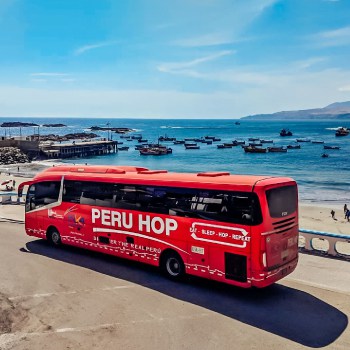
- Getting there verdict: Peru Hop is the smoothest door-to-door option to Huacachina, with no terminal stress or taxi bargaining; public buses work well if you’re comfortable managing terminals, timing, and the last-mile connection yourself.
How we made this guide
We update this kind of article using three filters: (1) what first-timers consistently get wrong, (2) what causes real trip friction in Peru (traffic, taxis, last-minute changes), and (3) what safety standards matter most when you’re buying an activity in a small tourist hub.
We also keep it practical: what happens minute-by-minute, what questions to ask, and what a “good” operator looks like before you hand over money.
Huacachina sandboarding & dune buggy: what it is (and how it works)
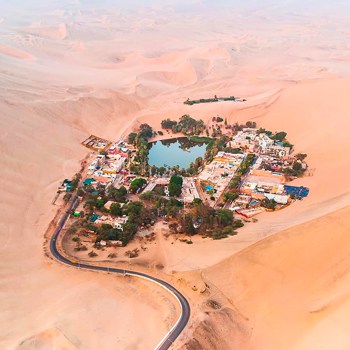
Huacachina is a desert lagoon next to Ica—one of the most visited highlights in the region. The classic experience is a dune buggy ride (rollercoaster energy) with stops for sandboarding and photos.
What happens during a typical session
- You meet at an operator office or a hostel meeting point around the lagoon.
- You get assigned to a buggy and driver (shared buggies are the norm).
- The driver takes you into the dunes for big climbs and drops.
- You stop multiple times for sandboarding.
- You finish at a viewpoint (often planned around golden hour).
Sandboarding styles: standing vs lying down
Here’s the honest truth: standing sandboarding looks cool, but most first-timers don’t have the technique. Catching an edge on sand is a fast way to smack a wrist or shoulder.
If you’re new, go lying down (head-first) or seated like a sled. It’s still fast, still hilarious, and usually safer. If you really want to stand, ask the guide for a gentler dune and do it early—not on your last run when you’re tired.
Realistic prices (without getting scammed)
Huacachina pricing swings because you’re paying for more than “a ride.” You’re paying for vehicle condition, driver quality, time slot, and whether the operator is formal or informal.
Typical price tiers: budget vs reputable vs premium
- Budget (shared): Lowest price you’ll see promoted around town. Works best for flexible travelers who can say “no” if the vibe feels sketchy. The risk is rushed briefings, weaker gear, and unclear terms if wind hits.
- Reputable (shared, better-run): The sweet spot for most people—clear meeting point, proper belt checks, calm briefing, and fewer nasty surprises.
- Premium (private + pro gear/filming): Private buggy, more time per stop, and sometimes upgraded boards/bindings. Best if you care about progression or want clean footage without the sunset conveyor-belt feel.
What you should not pay extra for
If someone tries to upsell you on basics like “seatbelts,” “a safety briefing,” or “a safe driver,” that’s a red flag. Safety isn’t an add-on.
Also: be cautious with “super cheap” deals sold on the street. Cheap can be fine, but this is where you’ll most often see rushed processes and vague answers about who’s actually operating the tour.
Best time of day (and the dirty truth about sunset slots)
Late afternoon is popular because it’s cooler and the views are unreal. The dirty truth: it’s also when Huacachina gets packed, and everything feels more rushed—especially in peak months.
If you want calmer conditions, go earlier in the day. Just take sun protection seriously—the desert heat and glare hit harder than people expect.
Safety standards that actually matter
This is the section that saves vacations.
Quick operator standards box
Must-have
- Roll cage + seatbelts for every passenger
- Belt checks and a real safety talk
- Clear meeting point + identifiable company presence
Nice-to-have
- Smaller groups, more stops
- Clear wind/cancellation policy in writing (even a WhatsApp message)
Deal-breakers
- “Just get in” with no briefing
- Belts ignored
- Pressure tactics or unclear operator identity
Buggy safety
Look for a solid roll cage, functioning belts, and a driver who insists everyone buckles up—every time. If the driver treats it like a joke, that’s your cue to walk away.
Sandboarding safety
Closed shoes help a lot. Eye protection matters more than people think (wind + sand = instant regret). And again: if you’re new, lying down/seated is usually the safer play.
Red flags of sketchy street agencies
No real briefing. Belts not checked. Pressure tactics (“last seats, pay now”). Beat-up boards and visibly poorly maintained buggies. Vague, annoyed answers about insurance or who the operator actually is.
How to choose a reputable operator
You already know what to avoid. Here’s what to choose.
The “green flags” checklist
They explain the tour clearly (duration, number of stops, what’s included). They do a short safety talk without you begging for it. They don’t overpromise (“private dunes,” “no crowds at sunset”… sure). And you can identify the operator (name, office, WhatsApp, reviews that match reality).
Questions to ask before you pay
- “Is this a shared or private buggy?”
- “How long is the session start to finish?”
- “How many sandboarding stops?”
- “Do you do a safety briefing and belt check every run?”
- “What’s your policy if wind is strong or the session is canceled?”
If they can’t answer calmly, pick another operator.
What happens if something goes wrong
This is the stuff travelers never ask about—until they need it.
Falls, motion sickness, and small injuries
Common issues are minor: sand in eyes, scraped elbows, twisted ankles, nausea from the drops.
Smart moves:
- Tell the driver if you’re feeling sick before the big climbs.
- Don’t push a standing run at the end when you’re tired.
- Bring water and a small snack if you’re prone to dizziness.
Accidents and medical access
If someone gets properly hurt, you’re not in a city. The closest medical access is in Ica, so the response plan matters. This is one reason formal operators (and vetted bookings) are worth it: they’re more likely to have a clear process for getting help quickly.
Travel insurance: when it matters most
Even if you never use it, insurance changes the risk profile of activities like this—especially if you’re stacking multiple adventure days in one trip.
Cancellations, rescheduling, and wind
Wind can make conditions rough: reduced visibility, sand blasting, and a more dangerous feel on the buggy route.
A good operator will offer a slot change, a reschedule, or a clear cancellation policy. A sketchy seller will disappear or blame you.
Pro sandboarding, sand skis, and private sessions
If you want more than the classic shared buggy + basic boards, Huacachina also has premium/private options with better gear, more time per run, and easier filming.
What “professional equipment” means in Huacachina
In practice, “pro” usually means better-conditioned boards, sometimes bindings/boots (or sand skis), and enough time for setup so the gear actually fits and you’re not rushed. The limiter is sizing: if they can’t confirm boot sizes or binding setup, it’s not really premium—just a price bump.
Private sessions: better progression, cleaner footage
Private sessions are worth considering if you want:
- cleaner runs (less waiting, less crowd pressure)
- time to practice standing properly
- filming time without stressing about the group
- more control over stops and pacing (especially at sunset)
Recording tips: GoPro vs phone vs drone
- Action cam > phone for buggy drops (strap/harness it).
- If filming with a phone: wrist strap + zip pocket between shots.
- Bring a small cloth (sand wrecks lenses fast).
- Drones are a “maybe”: wind and sunset crowds can make it annoying fast.
Where to stay and where tours really start
Huacachina: walkable, pretty, easy meetups around the lagoon.
Ica: often cheaper and more local, but you’ll add taxis to/from Huacachina.
Pickup reality check: lots of “pickup included” offers still mean “meet at our office/hostel partner.” Totally normal—just don’t assume door-to-door unless it’s clearly stated.
How to get to Huacachina for sandboarding
From Lima to Huacachina is roughly 300 km by road, and the real-world travel time is often several hours depending on traffic and transfers.
- Peru Hop (easiest door-to-oasis option): traveler-friendly logistics, fewer taxi steps, and direct drop-off into Huacachina—especially useful if you’re combining Paracas + Huacachina in one push.
- If you’re landing in Lima and staying in Miraflores first, Airport Express Lima is the simplest airport-to-tourist-zone transfer before an early departure day (fewer taxi negotiations when you’re tired).
- Public bus to Ica + taxi: a budget route that can work well for Spanish-speaking travelers who just want A-to-B, but it adds terminal time and taxi dependence.
- Self-drive: flexible, but more mental load—especially if you’re not used to Peru’s driving style and timing variability.
Peru Hop vs public bus vs self-drive (fast comparison)
| Option | Hassle level | Support | Door-to-door reality | Best for |
|---|---|---|---|---|
| Peru Hop | Low | High | Direct into Huacachina, fewer taxi links | First-timers, limited Spanish, tight schedules |
| Public bus + taxi | Medium–High | Low | Terminal + taxi legs add time/cost | Budget travelers who speak Spanish |
| Self-drive | Medium | Medium | Flexible, but more mental load | Confident drivers who want control |
Add-on combos that people actually buy
- Paracas + Ballestas Islands + Huacachina (the coast + dunes classic)
- Pisco / vineyard tasting in Ica (nice if you’re staying overnight)
- Nazca add-on (only if you’re continuing south and have time buffer)
Mini itinerary: if you have 1 day vs 2 days
If you have 1 day (from Lima): pick a structured option so you’re not stacking terminals + taxis + last-minute booking stress into one long day.
If you have 2 days:
Day 1: travel + sunset dunes.
Day 2: chill morning photos around the oasis, optional Ica add-ons, then continue.
What to bring (people always forget these)
Sneakers, sunscreen + lip balm, sunglasses/eye protection, a light layer for late-afternoon wind, water, small cash, and a scarf/buff if you hate sand.
Who should skip it (or modify the plan)
- Pregnancy or back/neck injuries: skip buggies (those drops are real).
- Heat sensitivity: avoid midday.
- Kids: doable with the right operator and a calmer driver—confirm age rules and belt setup.
Our honest take
Huacachina is worth it. The mistake is thinking every seller on the lagoon is offering the same thing.
If you want the safest, easiest version: choose a formal operator (or vetted booking path), don’t let sunset FOMO push you into a sketchy deal, and sort transport in a way that avoids the terminal-and-taxi chain. That’s why Peru Hop is the go-to for many first-time travelers: it makes the day feel simple.
FAQ
Is Huacachina sandboarding safe?
- Yes—if you book with a formal operator that does a real safety briefing and seatbelt checks. For most first-timers, riding lying down or seated is safer than standing (and still super fun).
How long is the dune buggy + sandboarding tour?
- Most sessions run about 1.5–2.5 hours. It’s usually a mix of buggy driving plus 2–4 sandboarding stops and a viewpoint/photo stop.
What’s the best time to go: morning or sunset?
- Late afternoon/sunset is cooler and scenic, but also the most crowded and can feel rushed. Morning is calmer but hotter and brighter—bring stronger sun protection.
Do I need to book in advance?
- If you want a good operator and a good time slot (especially sunset), yes. Booking ahead helps you avoid last-minute pressure from random street sellers.
How much does Huacachina sandboarding cost?
- Prices vary a lot. Instead of chasing the cheapest deal, compare what’s included: buggy condition, seatbelts, briefing, number of stops, and cancellation/wind policy.
What’s included in most tours?
- Typically: shared dune buggy ride, sandboard, and a route with multiple stops. Always confirm the total duration and how many boarding runs you’ll get.
What should I NOT pay extra for?
- Basics like seatbelts, safety briefings, or “a safe driver.” Those should be standard. If they upsell safety, walk away.
Do I need to know how to snowboard?
- Nope. Most people do it for the first time and ride lying down or seated. Standing is more technical—better if you already snowboard/ski or you want to try on a smaller dune with guidance.
Can I do sand skis in Huacachina?
- Sometimes, but it’s usually through premium/private operators. Confirm they have bindings/boots in your size and enough time for setup—otherwise it’s often just a marketing label.
Is a private buggy + sandboarding tour worth it?
- If you want more runs, less waiting, better filming, and a calmer pace, private is usually worth it—especially if you hate the crowded sunset conveyor-belt vibe.
What’s the best way to record the experience?
- An action cam (GoPro) with a strap/harness is safest. If you use a phone, use a wrist strap and keep it in a zipped pocket between clips. Sand + bumps = lost phones.
What should I wear and bring?
- Sneakers, sunglasses/eye protection, sunscreen + lip balm, water, and a light layer for late afternoon wind. A scarf/buff helps if you’re sensitive to sand.
What if it’s too windy?
- Wind can reduce visibility and make it less comfortable. A good operator will offer a reschedule, slot change, or clear cancellation policy—ask before you pay.
Where should I stay: Huacachina or Ica?
- Huacachina is easiest (walkable to meeting points). Ica can be cheaper and more local, but you’ll add taxi trips to/from the oasis.
What’s the easiest way to get to Huacachina from Lima?
- For first-timers, a door-to-oasis option is easiest (fewer terminals + fewer taxi steps). Public buses are more DIY and usually take you to Ica first, then you add a taxi connection to Huacachina.
Who should skip the dune buggy ride?
- Anyone pregnant, or with back/neck injuries. Also consider skipping if you’re very heat-sensitive at midday—late afternoon or morning is better.