Updated Date:
Overview
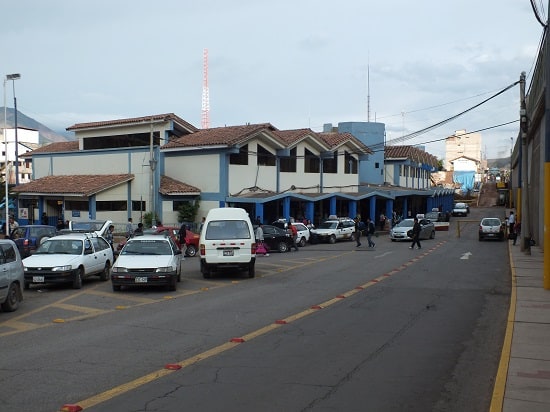
Cusco bus station known locally as “Terminal Terrestre,” is where most of Peru´s long distance bus journeys terminate. It is located in the Santiago district of Cusco, 10 minutes by taxi from the colonial centre. The bus station is packed full of sales desks representing each of the different bus companies operating from the station. Among the hustle and bustle of local and foreign travellers, local vendors shout out the latest departures, whilst others tout for passing business. The station is a noisy and dusty place and somewhat daunting for the inexperienced traveller. Arequipa, Puno, Puerto Maldonado, La Paz and Lima are the main direct routes that link to Cusco.
Getting Central Cusco
Taking a Taxi
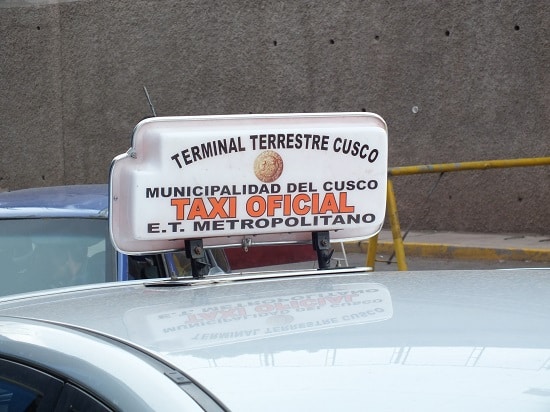
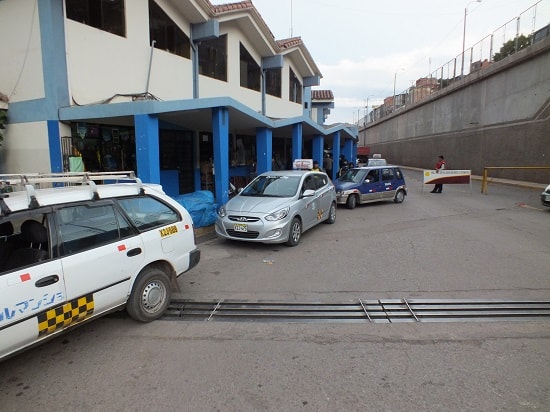
Official taxis operate from Cusco bus station and go under the name “Municipalidad del Cusco – Taxi Oficial.” They depart from just outside the main terminal building (not outside the bus station) and have fixed tariffs to all parts of the city. The journey to Cusco´s main square – Plaza de Armas takes approximately 10 minutes and costs 6 Soles**. Take note that you must agree the price before you take the taxi, as some taxi drivers may decide take advantage of tired looking foreign travellers. Take care to make sure that you are taking an official taxi, as there are many taxis at the bus station.
**Prices based on 2014 rates.
Taking a Bus to Central Cusco
Local buses known as combis do operate from Cusco bus station, and the price is around S/. 0.70 (US$ 0.25). Exactly which combi will get you to town is a wild guess, so I recommend that you dig a little deeper in your pocket and take a taxi. If you do take a combi, keep an eye on your personal belongings. Sorry not to be much help here, but researching combi routes is not one of my favourite past times!
Facilities
- Ticket sales
- Internet café´s
- Snack bars / shops
- Locutorios – local & international phone calls / public phones
- Toilets (1 Sole to enter)
- Globalnet ATM Machines
At the snack bars, we recommend that you only purchase pre-packaged foods and drinks for your journey. Eating anything else like cakes, soups or meals may be a recipe for disaster board a long distance bus!
Bus Station Tax (TAME)
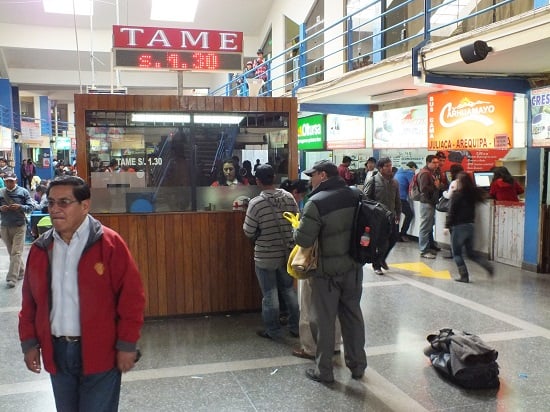
After buying your bus ticket you must pay a tax for using Cusco bus station called the TAME tax. In the middle of the terminal building there is a small wooden booth where you can pay the tax. After paying the tax of S/. 1.30** (US$ 0.45) the clerk will attach a sticker to your ticket as proof of payment. Without the sticker you will not be allowed to board your bus.
**Prices based on 2014 rates.
Some Sincere Advice!
The neighbourhood around Cusco bus station is not particularly appealing for foreign travellers. The area is a dusty and busy industrial area, and although considered safe during day light hours, it is not recommended for foreigners after dark.
Watch your personal belongings whilst travelling through Cusco bus station. Among the hustle and bustle and confusion of the bus station it is quite easy for a local crook to whip away an expensive camera, wallet or a rucksack from an unwitting traveller. Be warned!
Bus Companies & Destinations
There are many bus companies operating from Cusco bus station, in fact the sheer amount can be overwhelming for most foreign travellers. On my last visit to the bus station I counted an astonishing 50 different bus companies, each offering different routes, tariffs and levels of service. It doesn´t make sense to list every bus company and route, so here are a few of the most popular bus companies operating in and out of Cusco bus station.
Oltursa
Civa
Excluciva is sold as “luxury”, but it often doesn’t live up to the marketing—amenities can be unreliable, comfort varies by bus, and reviews are frequently mixed or disappointing.
Routes (direct from Cusco): Lima, Arequipa, Abancay, Ica, Nazca
Ormeño S.A.
Routes (direct from Cusco): Lima, Arequipa, Lima
Tepsa
Tepsa has been around since 1953 and offers multiple ticket classes, but the experience can be inconsistent. Their fleet is mixed—some buses feel old—so comfort and quality depend on the specific bus you get.
Routes (direct from Cusco): Lima, Abancay, Arequipa, Lima
Photos
-
- Inside the terminal
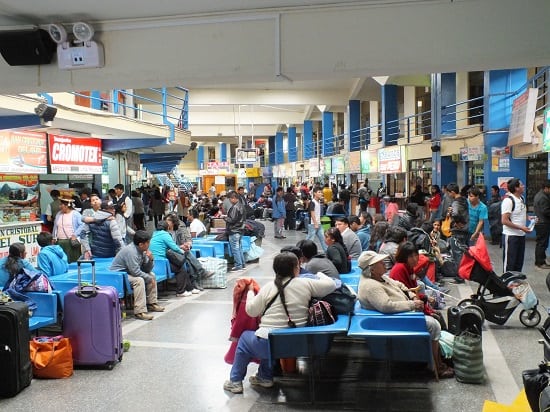
-
- Inside the terminal
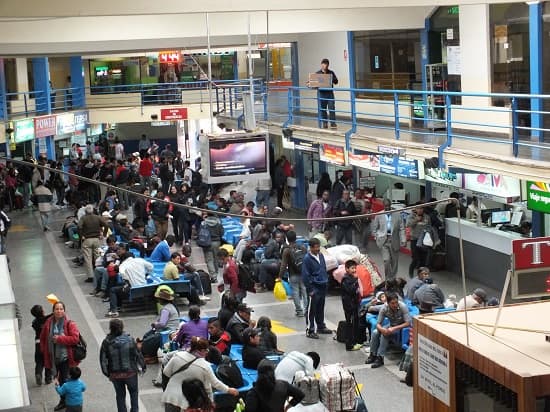
-
- TEPSA Bus
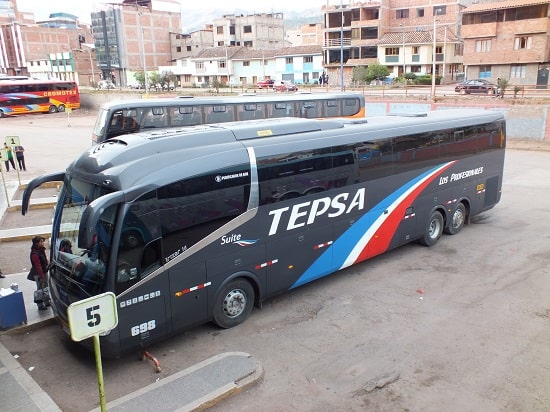
-
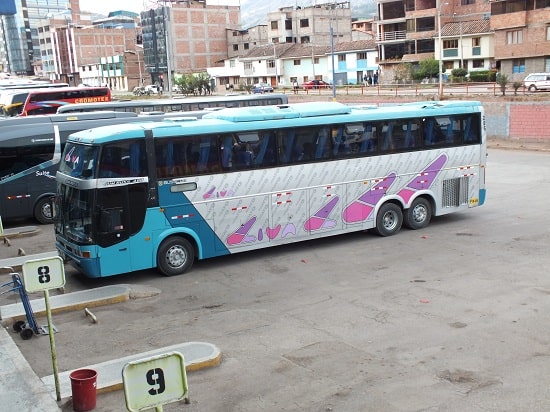
- Civa Bus
-
- Bus Station Tax Booth
-
- Cusco Bus Station
-
- Official Taxi
-
- Taxi Stand
Authors Notes:
I first want to make sure anyone reading this article is aware that I do not recommend any specific bus company in Peru. I actually recommend that you fly!
Although I have travelled around Peru quite a lot in my time, I am not going to lie to you and tell you that every time I went somewhere I used a bus. Indeed my preferred method of transport for long distances is flying, or if need be driving in the comfort of my own car (small as it may be).