Best time to visit Cusco is usually the dry season from May to October, but the “right” month depends on what you care about most: clear skies for hikes, smaller crowds, greener landscapes, or festival energy.
Cusco sits high in the Andes (about 3,399 m / 11,152 ft), so the bigger challenge isn’t just rain—it’s thin air, strong sun, and chilly nights that can surprise you any month of the year.
Updated:
Quick summary
- Best overall months: late April–May and September–early October (good weather + better availability).
- Peak weather, peak crowds: June to August (book trains, tickets, and hotels early).
- Greenest landscapes: April and May (end of wet season, still lush).
- Budget + fewer tourists: November, January, and March (bring rain gear and build buffer days).
- Key verdict: If your must-do list includes trekking (Rainbow Mountain, multi-day hikes), aim for May–September. If you want Cusco city vibes + Sacred Valley without the “high season squeeze,” May or September is the sweet spot.
- Realistic pacing: plan 1–2 easy acclimatization days in Cusco before big hikes, and don’t schedule Machu Picchu for the morning after you land.
How we made this guide
- We combine climate seasonality with on-the-ground reality: crowd patterns, festival spikes, and the stuff that can actually break itineraries (rain disruptions, train delays, sold-out tickets).
- We prioritize “door-to-door travel logic,” not just weather: what season means for flights, roads, and connections.
Cusco seasons explained: dry vs. rainy
Dry season in Cusco (May to October)
Dry season usually brings sunny days and crisp nights. Average daytime temperatures hover around 16°C / 61°F, while June and July nights can drop to ~0°C / 32°F. This is why people say “best time to visit,” but it’s also when demand rises for hotels, tours, and popular routes.
Choose dry season if you want:
- Best odds of blue skies for photos
- Easier trekking conditions
- More predictable day trips
Rainy season in Cusco (November to April)
Rainy season is when the region turns greener, but you’ll deal with more weather roulette. The wettest stretch is typically mid-season, and the site you linked notes January as the heaviest rainfall month (around 160 mm). Rain often arrives in strong bursts, frequently later in the day, so mornings can still be productive if you plan well.
Choose rainy season if you want:
- Lush scenery and dramatic clouds
- More availability and often better value
- A quieter Cusco experience
Real note for planners: heavy rains can increase the chance of landslides in the region, which can disrupt transport around the Sacred Valley and Machu Picchu access routes.
Month-by-month cheat sheet
January–February: Warm-ish nights, frequent rain, and more schedule uncertainty. Great for museums, cafés in San Blas, and a slower pace. If you’re dreaming of the Classic Inca Trail, note it typically closes in February for maintenance and safety; Machu Picchu itself can still be visited by train and bus.
March: Still wet, but the tail end of the season. You’ll often get clear mornings—plan outdoor visits early, and keep afternoons flexible.
April: One of the most underrated months. The city feels calmer, the hills are still green, and you’re moving toward drier days.
May: The best “both worlds” month—fresh landscapes, improving weather, and generally less pressure than June–August.
June: Festival month. Inti Raymi is celebrated every year on June 24, and Cusco gets a real jolt of energy (and demand).
July–August: Peak season. Expect bigger crowds and the most competition for Machu Picchu entry times and trains. Nights can feel freezing because most places don’t have heating—pack properly.
September: Sweet spot. Still dry, slightly calmer, and great for photography—especially early mornings around Plaza de Armas and the viewpoints above San Blas.
October: Shoulder season begins. You can still have excellent weather, but carry a light rain shell and keep your plan slightly flexible.
November: A solid month for availability. You might get rain, but the city is pleasant and you can often plan more spontaneously than in high season.
December: The wet season ramps up. Late December can also spike with holiday travel. If you come now, build your itinerary around early starts and indoor backups.
Festivals and “hidden busy weeks” to know
Cusco can be busy any time, but the crunch usually hits in June–October and again around Christmas and New Year.
The biggest date to remember is Inti Raymi (June 24). Even if you’re not attending the main events, it affects hotel availability, restaurant reservations, and how packed the historic center feels.
Best time for Machu Picchu, Sacred Valley, and Rainbow Mountain
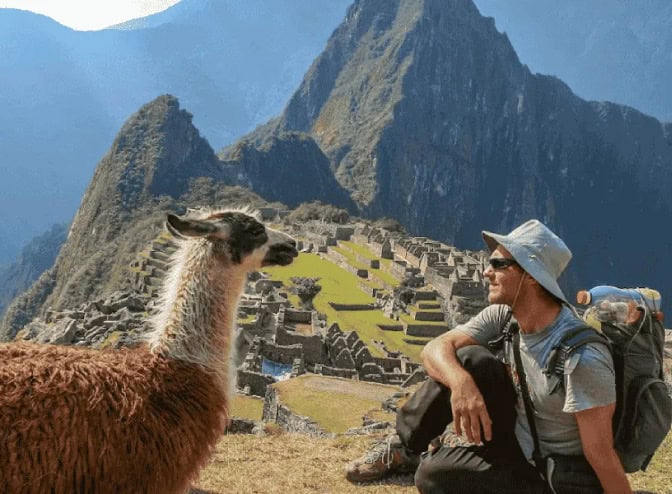
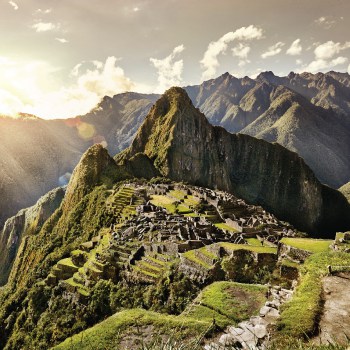
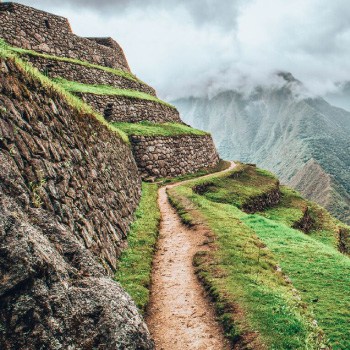
Machu Picchu: You can visit year-round, but shoulder months (April–May, September) often give the best balance: decent weather and fewer people competing for the most popular entry times.
Sacred Valley (Pisac, Ollantaytambo, Moray/Maras): Great any time. In wet season, mornings are your friend—start early, then leave space for a long lunch if the rain rolls in.
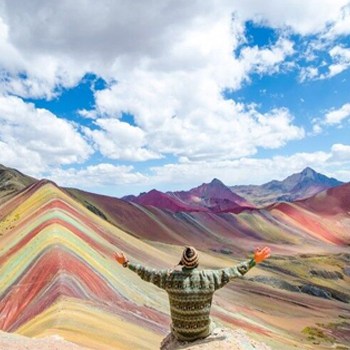
Rainbow Mountain: One of the most weather-sensitive day trips. Dry season months make a big difference for trail conditions and visibility. If Rainbow Mountain is a must, prioritize May–September and go with an operator that runs early departures. Visit the official Rainbow Mountain Peru website to find more information and the best tour options.
Packing tips that actually matter in Cusco
- Layers beat thick jackets: t-shirt + fleece + wind/rain shell.
- Sun protection is non-negotiable (high-altitude sun can feel intense even when it’s cold).
- Dry season: warm sleep layers (cold nights sneak up on people).
- Wet season: waterproof shoes or quick-dry sneakers, plus a real rain shell.
Final call: so, when should you go?
- Pick May or September if you want the safest bet for weather + crowds.
- Pick June–August if you want the clearest skies and can plan ahead.
- Pick April if you want green landscapes and calmer streets.
- Pick November–March if you want flexibility and don’t mind rain (plan early mornings + buffer days).
Cusco rewards good timing—but it rewards smart pacing even more. Give yourself time to acclimatize, start days early, and keep one flex day if you’re traveling in the wet season.
FAQ
Is May really the best time to visit Cusco?
For many travelers, yes. May is right after the wet season, so landscapes still look fresh, and the weather is usually stabilizing into dry-season patterns. It’s also often less “compressed” than June–August, meaning better availability for hotels, trains, and Machu Picchu entry times—without giving up the classic clear-sky days.
Does it rain all day in Cusco during the rainy season?
Usually no. A common pattern is clear or partly sunny mornings, then heavier rain later in the afternoon. That’s why wet-season Cusco can still work well if you’re disciplined about early starts: do your big outdoor plans before lunch, then use afternoons for museums, cafés, markets, or a relaxed long meal.
Is the Inca Trail open in February?
Typically the Classic Inca Trail closes in February for maintenance and safety during the wettest period. Machu Picchu itself isn’t automatically “off-limits” in February—you can still visit via train and bus, and you can consider alternative hikes depending on conditions. Always double-check current notices before you lock plans.
What’s the coldest month in Cusco?
The coldest-feeling time is usually the heart of the dry season (often June and July), mainly because nights get very cold and many buildings don’t have heating. Days can be sunny and pleasant, but once the sun drops, temperatures fall fast—so pack layers, warm sleepwear, and don’t rely on your hotel room being warm.
When is Cusco most crowded?
The biggest crowd pressure is usually June through August, plus the holiday period around Christmas and New Year. June is extra busy because of festival season (including Inti Raymi on June 24). If you’re traveling in these windows, book Machu Picchu tickets, trains, and key hotels earlier than you think you need to.
How many days should I acclimatize in Cusco before hiking?
Plan at least 1–2 easy days before major hikes like Rainbow Mountain or multi-day treks. Keep those first days light: stroll the historic center, do a gentle viewpoint, and hydrate. Many people feel fine at first, then notice altitude fatigue on day two—so giving yourself a buffer makes your whole trip smoother.