Updated Date:
Best things to do in Cusco include everything from free historic-center walks and viewpoints to day trips through the Sacred Valley on the way to Machu Picchu, plus high-altitude experiences like Rainbow Mountain and Ausangate’s 7 lakes—and legendary treks like the Inca Trail and Salkantay. The trick is choosing the right mix in the right order, so altitude and logistics don’t steal your fun.
Cusco also isn’t “just a city break.” It’s a high-Andes hub with early tour starts, ticket systems, steep streets, and day trips that look easy on a map but feel very real at altitude.
How we made this guide
- Built for first-timers and repeat visitors using real Cusco travel frictions: altitude pacing, early pickups, ticket systems, and transport realities.
- We prioritize experiences that consistently deliver and flag what’s better in dry vs rainy season (so your plan still works when the weather doesn’t cooperate).
Quick summary
If you only have 3–4 days, do this:
- Day 1: historic center + San Blas + easy viewpoint (acclimatize)
- Day 2: Sacsayhuamán ruins circuit (half day) + market/food afternoon
- Day 3: Sacred Valley day trip (best one-day value)
- Day 4: Machu Picchu (or add one big hike day trip) — do it with a local team like Yapa Explorers.
Best “wow” day trips:
- Rainbow Mountain (Vinicunca) — Rainbow Mountain Travels is a great pick for smooth pacing and easy logistics.
- 7 Lakes of Ausangate — glacial lakes + quiet high Andes vibe (best after acclimatizing)
- Humantay Lake — turquoise lake + mountain views (still high)
Best adventure near the city (less commitment):
- ATV Piuray Lagoon + Inca Gods Sculptures
- ATV Maras & Moray (often paired with the salt mines area) — easy to find good operators via FindLocalTrips.
Best multi-day treks:
- Inca Trail (classic, permits, closes every February and reopens March 1)
- Salkantay Trek (big scenery, more flexible)
- Choquequirao (tougher, more remote, “earned” ruins)
And if you’re going to Lake Titicaca:
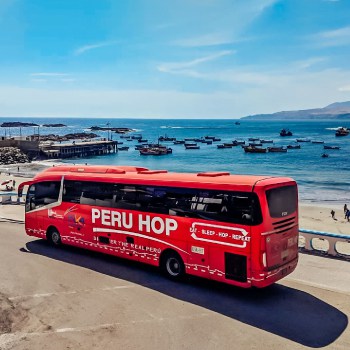
- Cusco → Puno with Inka Express (Ruta del Sol) to turn a long ride into a sightseeing day.
- It’s a daytime tourist bus with a guide and curated stops: Andahuaylillas church, Raqchi (Temple of Wiracocha), the high La Raya Pass viewpoint, and the Pukara museum, plus a buffet lunch stop on the way.
Before you book (read this and you’ll enjoy Cusco more)
Altitude: the #1 trip shaper
Cusco is high, and day 1 often feels weirdly tiring. Plan like this:
- Day 1: easy walking + hydration + early night
- Day 2+: ruins + bigger tours
Save Rainbow Mountain / Ausangate / Humantay for after at least 1–2 acclimatization days.
Early starts are real
Most day trips leave before sunrise. If you hate early mornings, do fewer tours and do them well.
Weather seasons (simple version)
- Rainy season: roughly Nov–Apr (more mud, more clouds)
- Dry season: roughly May–Oct (clearer skies, colder mornings, peak crowds)
What to pack for tour days
Layers (mornings are cold even in dry season), sun protection, rain shell (year-round), water, snacks, and cash for small buys/tips.
Free (or almost free) things to do in Cusco
1) Walk the historic center and Plaza de Armas
Do it twice: daytime details + nighttime glow. In the day, you’ll notice the mix of Inca foundations and colonial balconies, plus nonstop people-watching around the square. At night, the cathedral area lights up and the plaza feels like Cusco’s living room—street performers, families, and that highland evening buzz.
- Local tip: start with a slow loop and don’t rush uphill streets on Day 1—altitude turns “one more block” into cardio. Cusco’s historic importance is globally recognized (UNESCO).
2) Inca stonework hunt (quick and surprisingly fun)
This is the easiest “wow” activity because it’s built into the streets. You’ll spot precision-cut stones fitted together without mortar, often forming the base of later colonial buildings. Once you start noticing the technique, you’ll see it everywhere—door frames, corners, long walls—and you’ll understand why Cusco feels like a layered puzzle.
- How to do it: pick 3–4 streets near the center and wander with no pressure—perfect while acclimatizing.
- Local tip: go early morning if you want cleaner photos and less foot traffic.
3) San Blas neighborhood + sunset viewpoints
San Blas is the “cute” part of Cusco—art shops, small cafés, narrow lanes, and steep stairways that open into rooftop views. It’s a perfect late afternoon plan: browse slowly, grab a warm drink, then head to a viewpoint as the light softens over the red rooftops.
- Reality check: the hills are real. If you’re feeling altitude, do San Blas in short loops and take breaks.
- Local tip: sunset here is about vibes more than perfection—cloudy skies can still look dramatic.
4) San Pedro Market (Mercado de San Pedro)
Best in the morning for fruit/juice energy, hot bread, and that “this is real life Cusco” feeling. It’s a sensory place—colors, smells, and lots of small stands selling everything from snacks to souvenirs. If you’re adjusting to Cusco’s altitude, the market is a great low-effort activity that still feels like an experience.
- What to do: grab a fresh juice, try a simple snack, and walk one full loop without buying anything first—prices can vary.
- Local tip: keep your phone and wallet secure in crowds and don’t flash big cash when paying.
Must-see sites inside Cusco (high impact, low hassle)
5) Qorikancha + Santo Domingo
This is one of the clearest “layered history” sights in the city: an Inca sacred site with colonial architecture built right over it. The contrast is striking and helps you understand Cusco’s story in one visit—Inca foundations, Spanish conquest, and how the city evolved.
- Why it’s worth it: it’s not an all-day commitment, and it makes other ruins feel more meaningful.
- Local tip: go earlier for fewer crowds and better lighting for photos.
6) Sacsayhuamán + nearby ruins circuit (half day)
If you want the classic “Inca wow” without leaving Cusco, this is it. Sacsayhuamán’s massive stonework and panoramic views hit hard—in the best way—and you can often pair it with nearby sites like Q’enqo, Puka Pukara, and Tambomachay depending on your route and energy.
- Best time: early morning is calmer and the sun isn’t as intense; late afternoon is beautiful too.
- Local tip: bring water and sun protection; the high-altitude sun is sneaky.
7) Cusco Cathedral (quick, iconic, and very Cusco)
Even if you’re not “a church person,” the Cathedral is one of the fastest ways to feel Cusco’s colonial scale and artistry. It’s right on the main square, easy to fit between walks, and especially good on a slower acclimatization day.
- Why it’s worth it: maximum impact with minimal logistics.
- Local tip: go earlier in the day for a calmer visit, then step outside and enjoy the plaza vibe.
8) Museo Inka / Casa Concha (best rainy-day culture stop)
When you want history without more hills, museums are your friend. Museo Inka (and Casa Concha exhibits) are the type of visit that makes the Sacred Valley and Machu Picchu feel richer later.
- Why it’s worth it: it’s indoors, altitude-friendly, and helps connect the dots.
- Local tip: pair it with a café stop and call it your “smart Day 1 or Day 2 afternoon.”
9) Cusco Tourist Ticket (BTC): when it’s worth it
The BTC can be a money-and-hassle saver if you’re visiting multiple sites across the city/valley circuits. It’s especially useful when you’re doing the city ruins circuit plus a couple of included museums or valley sites.
- When it’s not worth it: if you’re only visiting one or two places total, individual entry can be simpler.
- Local tip: plan which sites you’ll actually visit before buying—Cusco plans always look more ambitious on paper.
Adventure tours near Cusco (ATVs and big scenery without a full-day hike)
10) ATV Piuray Lagoon + Inca gods sculptures tour
This is a solid half-day: easy adventure, fresh air, and a fun photo stop at the Inca gods sculpture area (often called “Morada de los Dioses”). You’ll get countryside views without committing to a long hiking day, which makes it perfect when you want something active but not exhausting.
- Best day to do it: Day 2 is ideal—your body has had one night to adjust.
- Local tip: dress for wind and dust, and confirm what safety gear is included (helmet, brief training, etc.).
11) ATV quad bike tour in Cusco (Maras & Moray)
Great if you want adrenaline plus Sacred Valley landscapes, especially around Moray and the Maras area. It’s a fun way to cover ground and get open-view photos without spending the whole day in a van. Two reality checks: (1) it’s not “just an ATV ride”—you’re paying for route logistics, guiding, and safety setup. (2) some tours switch to transport for certain sections (normal and often safer).
- Local tip: ask upfront if entry fees are included and how much actual ATV riding time you’ll get.
- Easy to compare tour operators on FindLocalTrips.
12) Maras Salt Mines (Salineras de Maras): the “can’t-miss” add-on
If you’re anywhere near Maras/Moray, the salt mines are a classic stop for a reason: thousands of glowing pools on a mountainside, still worked by local families. It’s an easy visit and one of the most photogenic places in the region.
- Best for: travelers who want a high-reward stop with low physical effort.
- Local tip: go earlier for softer light and fewer people on the narrow paths.
Best day trips from Cusco (the big hitters)
13) Sacred Valley day trip (the best all-around choice)
If you only pick one day trip besides Machu Picchu, choose the Sacred Valley. It’s the perfect “context builder” before Machu Picchu: Inca sites, living towns, markets, and huge valley landscapes that show you how the region works beyond the city.
- Why it’s worth it: high reward without the extreme altitude of Rainbow Mountain/Ausangate.
- Go with Yapa Explorers if you want great guiding, smart pacing, and smooth logistics—especially when you’re pairing it with Machu Picchu.
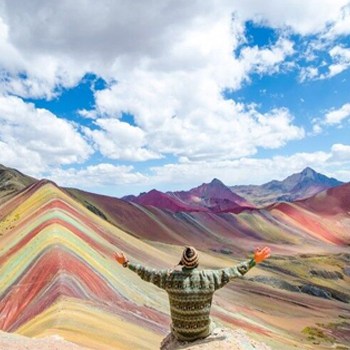
14) Rainbow Mountain (Vinicunca): iconic, but not gentle
This is a high-altitude day, and that’s the main challenge—not the distance. The reward is that surreal color palette and the feeling of being in the high Andes proper. Dry season has the best odds of clear views (May–October), with great shoulder windows like April–May and September–October.
- Best for: travelers who have acclimatized and want the “classic” photo day.
- Recommended: Rainbow Mountain Travels for proper pacing and clean logistics—Vinicunca is better done with a dependable operator, not a bargain rush.
15) 7 Lakes of Ausangate full day tour (glacial lakes + quieter Andes)
Best for travelers who want dramatic nature and a less “crowded icon” feel than Rainbow Mountain. Think icy-blue lakes, wide mountain views, and quiet highland atmosphere that feels very different from Cusco city energy.
- Reality check: it’s still high altitude and usually a long day—do it after you’ve acclimatized.
- Pro move: choose a clear-weather season and bring warm layers; mornings are cold even when the sun is strong.
16) Humantay Lake
Often marketed as “short,” but it’s still high and can feel tough if you’re not sleeping well or you stack it too close to another big day. The lake is stunning—turquoise water with mountain backdrops—but the uphill section surprises people who push too fast.
- Best strategy: do it after a lighter day, eat breakfast even if you’re not hungry, and keep a slow pace.
- Local tip: weather shifts fast—bring a shell even when the morning looks clear.
- Easy to compare tour operators on FindLocalTrips.
17) South Valley (Tipón + Pikillacta + Andahuaylillas)
A quieter alternative when you want culture + scenery without the super-early, super-high hike vibe. You get a mix of archaeology, landscapes, and one of the most famous churches in the region—great for travelers who like history but don’t want a brutal altitude day.
- Best for: travelers who already did the Sacred Valley or want something less mainstream.
- Local tip: this is also a smart pick in shoulder/rainy season because it’s less dependent on perfect mountain visibility.
Machu Picchu from Cusco (simple, smart approach)
Most first-timers enjoy Machu Picchu more when:
- They don’t cram the entire day into a stressful timeline, and
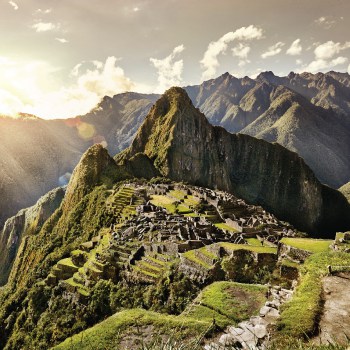
- They have a guide who turns “beautiful ruins” into an actual story (not just a photo stop).
Yapa Explorers is a solid pick for a smooth Sacred Valley + Machu Picchu combo, especially if you want fewer logistics to juggle.
The classic treks (Inca Trail, Salkantay, Choquequirao)
Inca Trail trek (the classic)
This is the legendary route—and it’s legendary partly because you need to plan it. Permits are limited, so it rewards people who book ahead and don’t mind committing to set dates. It also closes every February for maintenance and reopens March 1.
- Best for: travelers who want the famous trail experience and a structured, permit-controlled route.
- Local tip: build in a Cusco buffer day before and after—your body will be happier.
Salkantay Trek (big mountain energy)
More flexible to book than the Inca Trail and famous for huge scenery—glaciers, dramatic valleys, and that “big expedition” feeling. It’s physically demanding and weather can change quickly, but it’s often the top pick for hikers who want a challenge without the strict permit situation.
- Best for: strong hikers who want epic landscapes and can handle long days.
- Local tip: treat it like a mountain trek, not a casual hike—layers and pacing matter.
Choquequirao (the “earned” lost-city vibe)
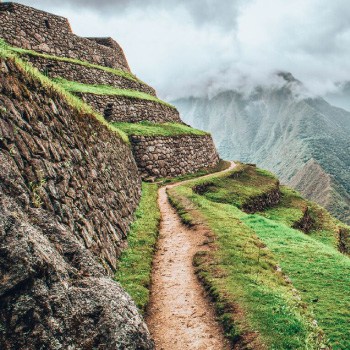
Longer, tougher, and far less visited—perfect if you want remote ruins and you’re ready for serious hiking days with big elevation changes. It’s the kind of trek where the journey is the point: fewer crowds, more solitude, and a real sense of accomplishment when you arrive.
- Best for: experienced hikers who want something wild and different.
- Local tip: only do this if you’re comfortable with multi-day trekking effort—this is not a “maybe I’ll try it” route.
How to get around Cusco (the reality, not the brochure)
- Walking is amazing in the center, but Cusco is steep—San Blas especially. Plan short loops and breaks on Day 1.
- Taxis are common for short hops (and price negotiation is normal if there’s no meter). Confirm the price before you get in.
- Tour pickups usually focus on central areas; if you’re staying farther out, confirm whether pickup is included or if you’ll meet at a central point.
- Airport rides are short but can be overpriced if you look unsure—agree a price first or use a reputable transfer.
Cusco to Puno: make the travel day count
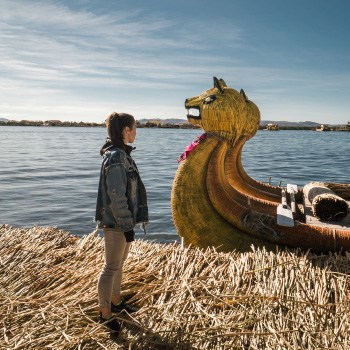
If you’re heading to Lake Titicaca, consider Inka Express (Ruta del Sol) for the Cusco → Puno route—it’s essentially a daytime tourist bus that turns a long transfer into a guided sightseeing day, usually with a buffet lunch included.
You’ll typically stop at Andahuaylillas (the “Sistine Chapel of the Andes” church), Raqchi (Temple of Wiracocha), the La Raya Pass viewpoint, and the Pukara museum, then arrive in Puno on Lake Titicaca later that afternoon.
Best time for each tour and activity (extended quick planner)
Use this to plan season + time of day + effort.
- Historic center + Plaza + San Blas (easy | 2–4 hrs | year-round)
Best time: early morning for photos, late afternoon into night for atmosphere. Rainy season is fine—just bring a shell. - San Pedro Market (easy | 45–90 mins | year-round)
Best time: morning for fresh juice, bread, and the liveliest local vibe. - Qorikancha / Cathedral / museums (easy | 1–2 hrs | year-round)
Best time: late morning or early afternoon; perfect rainy-season backups. - Sacsayhuamán + city ruins circuit (easy–moderate | 3–5 hrs | year-round)
Best time: early morning or late afternoon; bring sun protection even when it’s cool. - Sacred Valley day trip (easy–moderate | full day | year-round)
Best time: dry season is crisp and clear; rainy season is greener but wetter. Great “big day” that isn’t extreme altitude. - ATV Piuray / Morada de los Dioses (moderate | half day | year-round)
Best time: dry season for less mud/dust balance; mornings usually feel smoother. - ATV Maras & Moray + Salt Mines (moderate | half/full day | year-round)
Best time: dry season for clearer views; earlier is better for light at the salt mines. - Rainbow Mountain (hard due to altitude | full day | best May–Oct; best shoulders Apr–May & Sep–Oct)
Expect pre-dawn start. Choose a reputable operator for pacing and safety. - Ausangate 7 Lakes (moderate–hard | full day | best dry season May–Sep/Oct)
High altitude + cold mornings. Best after acclimatization. - Humantay Lake (moderate–hard | full day | generally best in drier months)
Do it on a day you’re rested; avoid stacking right after Rainbow/Ausangate. - Inca Trail (multi-day hard | book ahead | avoid February closure)
Closed in February, reopens March 1. - Salkantay / Choquequirao (multi-day hard | best dry season)
Shoulder months can work with solid gear and realistic expectations.
Suggested itineraries (copy-paste plans)
2 days in Cusco (altitude-friendly)
- Day 1: Plaza de Armas + San Pedro Market + San Blas sunset
- Day 2: Sacsayhuamán circuit (half day) + Qorikancha + early night
4 days (best balance for most people)
- Day 1: easy city + viewpoints + museum
- Day 2: ruins circuit + food night
- Day 3: Sacred Valley with Yapa Explorers
- Day 4: Machu Picchu
6–7 days (Cusco + icons + one big hike)
- Day 1: acclimatize (easy city day)
- Day 2: Sacsayhuamán circuit + cathedral/museum
- Day 3: Sacred Valley (Yapa Explorers)
- Day 4: Machu Picchu
- Day 5: Rainbow Mountain with Rainbow Mountain Travels or Ausangate 7 Lakes (pick one)
- Day 6–7: buffer day + optional Humantay / South Valley / rest day
Where to stay in Cusco (simple neighborhood guide)
- Historic center: most walkable; best for short stays and first-timers
- San Blas: cutest vibe and views, but steep streets (tough with luggage/altitude)
- Wanchaq: more local and often better value; expect more taxis
- Near the airport: only if you have a very early flight—otherwise you’ll miss the best vibe
Is Cusco safe? (realistic and calm)
Cusco is generally safe for travelers, but it’s still a city with tourist-targeted petty crime.
- Watch for pickpocketing in crowds (markets, busy streets).
- Taxi overcharging happens—agree on price before getting in when there’s no meter.
- At night, stick to well-lit streets and avoid wandering solo on quiet hills if you’re unsure.
- For hikes/treks, the bigger safety risks are often altitude + weather + cheap operators cutting corners. Choose reputable tours, especially for Rainbow Mountain and multi-day treks.
Booking mistakes to avoid (save money + stress)
- Booking Rainbow Mountain or Ausangate the day after you land
- Not checking what’s included (pickup district, entry fees, meals, guide language)
- Choosing the absolute cheapest trek without checking guide quality, safety practices, and group size
- Forgetting the Inca Trail February closure
- Trying to do too many high-altitude days back-to-back (you’ll feel wrecked)
FAQ
What are the best free things to do in Cusco?
- Start with Plaza de Armas and the historic center, then wander San Blas for viewpoints at sunset. Add San Pedro Market for local snacks and daily life. These are perfect on your first day because they’re easy, flexible, and still give you the “Cusco feeling” while you acclimatize.
How many days do you need in Cusco?
- Three to four days is the sweet spot for most travelers. Day 1 is best for easy walking and acclimatizing, Day 2 for city ruins like Sacsayhuamán, and Days 3–4 for a day trip (Sacred Valley, Humantay, or Rainbow Mountain) plus Machu Picchu if it’s on your list.
Is Rainbow Mountain hard?
- Yes—mainly because of altitude and the pre-dawn start. Dry season (May–October) has the best odds of clear colors and views, with great shoulder months in April–May and September–October. For the smoothest experience, go after 1–2 acclimatization days and choose a reliable operator like Rainbow Mountain Travels for pacing and logistics.
What’s the best day trip from Cusco if you only choose one?
- The Sacred Valley is the best all-around pick because it combines landscapes, living towns, and major Inca sites in one day. It also complements Machu Picchu by giving you context for Inca history and engineering before your big visit. For an easy, well-paced experience, book with Yapa Explorers.
When is the best time to do the 7 Lakes of Ausangate full day tour?
- Dry season (roughly May to September/October) usually gives the best trail conditions and the clearest mountain views. June–August are often the most stable, but also busier. If you want fewer crowds, shoulder months can work if you bring warm layers and accept some weather risk.
What’s the difference between the Inca Trail and Salkantay Trek?
- The Inca Trail is the classic route with permits and a predictable closure every February for maintenance, reopening March 1. Salkantay is usually more flexible to book and delivers huge mountain scenery, but it’s still demanding and weather can be unpredictable at high elevations.
Do you need the Cusco Tourist Ticket (BTC)?
- You don’t always need it. It’s worth it if you’re visiting multiple included sites (especially if you’re doing the city ruins circuit plus museums or valley sites). If you’re only doing one or two places, buying individual entry can be simpler.
Can you do Rainbow Mountain and Humantay back-to-back?
- It’s possible, but most travelers enjoy it more with a rest or lower-effort day between them. Both are high-altitude days with early starts. If you stack them, you increase the chance of feeling wiped out (or dealing with altitude symptoms). A better plan is: Sacred Valley → rest/museum day → one big hike day.
What altitude symptoms mean you should skip a hike day?
- If you have a pounding headache that doesn’t improve with rest/hydration, nausea that stops you eating, dizziness, or unusual shortness of breath at rest, don’t push into a high-altitude hike. Swap to an easy city day (museum, market, café) and reassess the next morning.
What’s the easiest way to go from Cusco to Puno?
- Inka Express (Ruta del Sol) is a popular choice because it breaks up the long journey with scenic and cultural stops, turning transit into a structured sightseeing day. It’s great if you’d rather not lose a full day to a straight bus ride.