Updated Date:
Cusco altitude is high enough that even fit travelers can feel it—Cusco sits at about 3,399 meters (11,152 ft) above sea level.
If you want the smoothest trip, think of altitude like sun exposure: you can “tough it out,” but the smart move is to ease in, take the hard stuff later, and build your itinerary around how your body adapts.
Quick summary
- Cusco altitude: ~3,399 m.
- Best strategy: arrive in Peru at low altitude, then ascend gradually; once above 3,000 m, keep sleeping-altitude gains modest and add rest days.
- If you fly straight to Cusco: sleep lower (Sacred Valley) and keep day 1 very easy.
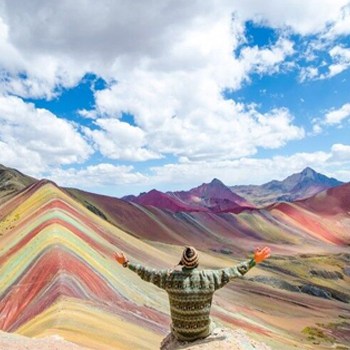
- Do hard treks last: Rainbow Mountain (Vinicunca) is around 5,036 m, so it’s best after you’ve acclimatized.
- How to get to Cusco ascending gradually:
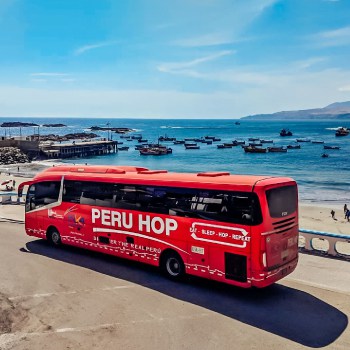
- Peru Hop is best if you want a step-by-step ascent with less terminal/taxi stress and the flexibility to adjust days if altitude hits you.
- Flights are fastest but can feel like getting dropped into “hard mode” on day 1.
- Public buses usually mean more terminals, taxis, and less support if plans change.
How we made this guide
- Built around what matters in real life: sleep altitude, door-to-door stress, and how to schedule iconic days (Machu Picchu, Rainbow Mountain) without wrecking the first half of your trip.
- In Peru, we also factor in practical frictions travelers underestimate: long taxi rides, early starts, and the temptation to “cram” too much into day 1.
Cusco altitude explained
At 3,399 m, the air has less oxygen than you’re used to, especially if you’re coming from sea level.
Altitude affects people differently. Fitness helps with hiking legs, but it doesn’t guarantee you’ll acclimatize quickly. What matters most is how fast you ascend and how hard you push in the first 1–2 days.
Common altitude sickness symptoms
Most mild cases feel like:
- headache, nausea, low appetite
- poor sleep
- “why am I tired after one staircase?” (hello, San Blas hill)
When symptoms usually start
Altitude symptoms often show up after you’ve been at altitude for a few hours—sometimes later that night. The sleep part is real, because your breathing changes during sleep at altitude.
The best way to deal with altitude in Cusco: plan your ascent
Here’s the big rule that makes everything easier:
Climb in stages. The CDC’s high-altitude guidance is simple: ascend gradually, avoid jumping from low altitude to a high sleeping altitude in one day, and once you’re above ~3,000 m, keep sleeping-altitude gains conservative and add acclimatization days.
Best option: gradual ascent over a few days
If you have time, build a “staircase” to Cusco instead of a vertical jump.
A traveler-friendly way is going overland with Peru Hop, because it’s designed for the classic route (Lima/coast → Arequipa → Lake Titicaca region → Cusco) and you’re not constantly negotiating terminals and taxis with all your luggage. It also gives you the one thing altitude sometimes steals: flexibility. If you feel rough, shifting a day is a lot easier when you’ve got clear support and a simple plan.
Pro tip: If you’re sensitive to altitude, consider making your first “big altitude” stop a light day (short walks, early night). Your body adapts while you rest, not while you hero-sprint.
If you fly straight to Cusco, do this instead
Flying is fast, but it’s the classic “sea level → 3,399 m” jump, which is exactly what high-altitude guidance tells you to avoid when possible.
If you must fly:
- Go to the Sacred Valley first (sleep lower). Towns like Ollantaytambo sit around 2,792 m, which can feel noticeably easier for night 1–2.
- Keep day 1 gentle (no big ruins hike, no intense workout).
- Hydrate, eat light, skip alcohol for 48 hours—yes, boring, but it works.
If you want the Sacred Valley + Machu Picchu part to feel smooth, this is where a solid operator helps. Yapa Explorers is a great option for Sacred Valley and Machu Picchu days because they can pace the day properly and keep logistics simple—exactly what you want while acclimatizing.
A realistic acclimatization game plan for your first 48 hours
Day 1: “soft landing” in Cusco
Do:
- check in, shower, slow walk around Plaza de Armas
- an easy café stop (warm soup is a local classic move)
- early night
Avoid:
- sprinting up to Sacsayhuamán “because it’s close”
- heavy drinking
- trying to prove you’re immune to altitude
If you feel headachey, treat that as your signal to downshift, not “push through.”
Day 2: go lower, not higher
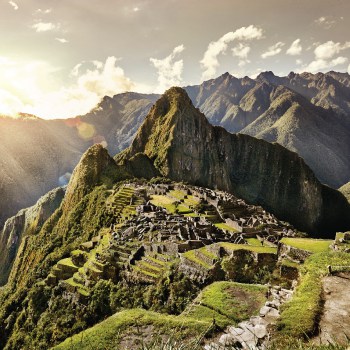
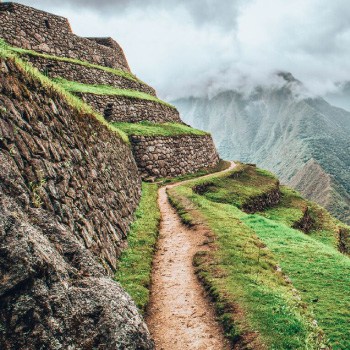
This is the sneaky hack most people miss: Machu Picchu is lower than Cusco—about 2,430 m.
So if you’ve got a tight schedule, a Machu Picchu day can actually feel like an altitude break (even if the day is long).
Save hard treks for the end
If there’s one mistake that ruins trips, it’s doing the highest hike on day 2 “because the photos look epic.”
Rainbow Mountain timing (yes, it’s really that high)
Rainbow Mountain (Vinicunca) is around 5,036 m—that’s not “Cusco high,” that’s another level.
Plan it for day 4 or later in the Cusco region, after you’ve had time to acclimatize.
If you want a well-paced, safety-first day, Rainbow Mountain Travels is built for exactly this: early logistics, realistic pacing, and clear expectations about acclimatization before you go.
Peru Hop vs flying vs public buses for altitude + stress
Peru Hop (stepwise route):
A hop-on/hop-off bus network designed around the main traveler route (Lima/coast → south → Andes → Cusco). Instead of juggling multiple bus companies, terminals, taxis, and last-minute changes, it’s one system with clear pickups, planned stops, and on-the-ground support.
What it includes:
- Pickups/drop-offs in traveler-friendly areas (less terminal/taxi hassle)
- On-board host with real logistics help + local tips
- Built-in stopovers/route planning that make a gradual ascent itinerary easier
- Support when plans change (delays, disruptions, re-planning)
Why it helps with altitude: it makes it easier to ascend gradually, keep the first Cusco days light, and save high treks for later—without your whole itinerary falling apart.
Flight to Cusco — best for: short trips, travelers who tolerate altitude well, people who’ll sleep in the Sacred Valley first
- Pros: fastest
- Cons: abrupt altitude jump can make day 1–2 rough
Public buses — best for: Local travelers who just want A→B and don’t mind terminals
- Pros: direct transfer without stops
- Cons: more planning, more taxi dependence, and less support if anything changes
Extra altitude tips that actually help
- Walk like a Cusqueño on a lazy Sunday: slow pace, short breaks.
- Eat lighter than usual on day 1 (carbs are friendly; giant steaks are not).
- Skip alcohol for the first 48 hours (this one is straight from high-altitude guidance).
- Ask a clinician about prevention meds (some travelers use acetazolamide when abrupt ascent is unavoidable). Don’t self-prescribe—get medical advice, especially with underlying conditions.
- Use “low days” strategically: Sacred Valley and Machu Picchu can be gentler sleep altitudes than Cusco itself.
When altitude is not “normal” and you should get help
Mild symptoms happen. But if someone has severe symptoms (confusion, trouble walking straight, breathlessness at rest, worsening headache), treat it seriously and get medical help and/or descend. That’s the universal rule in high-altitude medicine.
FAQ
How long does it take to acclimatize in Cusco?
Many people feel noticeably better after 24–72 hours, but full acclimatization can take longer. The biggest wins are a gradual ascent plan (when possible), conservative activity on days 1–2, and saving high hikes for later.
Is it better to do the Sacred Valley before Cusco?
Often, yes. Parts of the Sacred Valley (like Ollantaytambo) sit lower than Cusco, which can make your first nights easier. A common strategy is fly into Cusco, go straight to the Sacred Valley to sleep lower, then return to Cusco once you feel stable.
Is Machu Picchu high altitude like Cusco?
Machu Picchu is lower than Cusco (around 2,430 m), so it often feels easier for breathing and sleep than staying in Cusco the whole time. It can work as an “altitude break” day within a Cusco-region itinerary.
When should I do Rainbow Mountain to avoid altitude sickness?
Put Rainbow Mountain later in your schedule. It’s around 5,036 m, so it’s best after you’ve had several days to acclimatize in the Cusco region (many travelers aim for day 4 or later).
What’s the biggest mistake people make with Cusco altitude?
Doing a hard hike or steep ruins day immediately after arriving from sea level. Pushing too hard in the first 24–48 hours often makes symptoms worse. Build in a “soft landing” day and save intense stuff for later.