Updated Date:
Best time to visit Arequipa is usually April through November, when the city has its clearest skies and the rainy season is basically over. That matters more than you’d think: in Arequipa, temperatures don’t swing wildly month to month, but clouds and rain can completely change your volcano views, photos, and day trips.
Quick summary
- Best overall months (easy weather + great visibility): May, June, September, October (dry, bright days, minimal rain).
- Warmest-feeling dry months: September–November (still dry, slightly warmer afternoons).
- Rainiest stretch: January–early March, with February typically the wettest.
Fast verdicts
- Dry season (Apr–Nov) is best for first-timers who want stress-free sightseeing and reliable day trips.
- Rainy season (Jan–Mar) can still be enjoyable in the city, but you’ll want flexibility for outdoor plans and viewpoints.
How we made this guide
- We used long-term climate patterns (rainfall + cloudier months vs clearer months) and focused on what actually affects your trip: visibility, walking comfort, and day-trip reliability.
- We also include the big planning “frictions” travelers run into in Arequipa: cool nights, midday sun, altitude pacing, and the Colca Canyon early starts.
- We use long-term climate normals for the monthly patterns, and for day-to-day trip planning (especially in Jan–Mar) we recommend checking SENAMHI’s Arequipa forecast and any active weather advisories.
Arequipa weather basics (what surprises first-timers)
Dry season vs rainy season
- Arequipa’s “rainy season” is short. Most rain falls roughly mid-January to early/mid-March, and February is usually the peak. The rest of the year is very dry.
The big daily swing (sunny days, chilly nights)
- Even when afternoons feel warm in the sun, evenings cool down fast. This is why Arequipa can feel “perfect” at 2 pm and “where’s my jacket?” by dinner.
Altitude check (and why it matters for plans)
- Arequipa sits around 2,335 m. Many people feel fine, but it’s smart to keep your first afternoon mellow (especially if you flew in from sea level).
Best months at a glance (decision table)
- Best for first-timers: May–June or September–October (clear skies, low rain, easy day trips).
- Best for photographers: June–September (crisp mornings + strong visibility).
- Best for festivals: August (Arequipa Anniversary) and late April/early May (Virgen de Chapi).
- Best for fewer crowds + decent weather: April and November (shoulder vibe).
- Avoid if you hate rain/clouds: February (highest rain risk).
Weather in Arequipa by month (with travel vibes)
Below is a traveler-friendly snapshot: typical temps, what it feels like, and how busy it gets (especially on weekends).
SENAMHI reality-check (before you lock plans):
- For your actual travel week, check SENAMHI (Peru’s national meteorology service) for the 7–10 day forecast in Arequipa. In Arequipa, the day-to-day swing that matters most isn’t usually temperature—it’s rain chance in the wet season (roughly Jan–Mar) and nighttime chill year-round (especially if you’re heading to higher spots like Chivay/Cabanaconde for Colca). Use the month table for the big picture, then use SENAMHI to decide if you need a rain layer, warmer nights gear, or a buffer day for canyon plans.
| Month | Avg high/low (°C) | What it feels like | Crowds* | Best for |
|---|---|---|---|---|
| January | 21 / 10 | Warm days, higher chance of afternoon showers | Medium | Lush landscapes, fewer tourists |
| February | 21 / 10 | Wettest-feeling month; clouds + showers more likely | Low–Medium | Budget trips, greener Colca views |
| March | 21 / 10 | Still some rain risk; improving skies | Medium | Shoulder season value |
| April | 22 / 9 | Clearer, sunny days; comfy sightseeing | Medium | Best all-round month |
| May | 22 / 8 | Crisp mornings, bright days | Medium | City walks + Colca planning |
| June | 22 / 8 | Dry, sunny, cool nights | High | Peak season weather, hiking |
| July | 22 / 7 | Coldest nights; very dry and clear | High (holiday spikes) | Photos, clear skies, trekking |
| August | 22 / 8 | Similar to July; dry + bright | High | Peak travel, Colca trips |
| September | 22 / 8 | Dry season continues; slightly calmer | Medium–High | Great weather with fewer crowds |
| October | 22 / 9 | Still mostly dry; shoulder season begins | Medium | Balance of weather + prices |
| November | 22 / 9 | Warmer feel; rain chances slowly return | Medium | City + food + easy hikes |
| December | 22 / 10 | More clouds at times; rain starts to build | Medium | Festive travel, decent weather |
*Crowds in Arequipa are strongly driven by dry-season travel (Jun–Aug) plus Peru holiday weekends, not just temperatures.
Colca Canyon conditions by season
If Arequipa is your base, Colca Canyon is the big day-trip question.
- Dry season (Apr–Nov): generally clearer mornings and more reliable viewpoints. This is when you’re most likely to get that dramatic canyon light and easier logistics.
- Rainy season (Jan–Mar): landscapes can look greener, but clouds and showers can reduce visibility and add unpredictability—especially for very early starts and long drive days.
- Condor-viewing reality: Cruz del Cóndor is the classic viewpoint; conditions and timing matter, and mornings are typically the main window travelers aim for.
Crowds and value by season
- Busiest months: June–August (school holidays + peak travel season feel).
- Shoulder season sweet spots: April–May and September–October (great weather without peak intensity).
- Lower-demand months: January–March (more weather risk, but often calmer).
Getting to Arequipa from Lima (and why timing matters)
Your “best time” also depends on logistics. Lima traffic and scattered bus terminals (often far from Miraflores/Barranco) can add extra taxi rides + delays, and the long distance means arrival fatigue can steal your first day—especially if you’re continuing to Colca.
Peru Hop vs public bus vs flight vs private car vs self-drive (quick comparison)
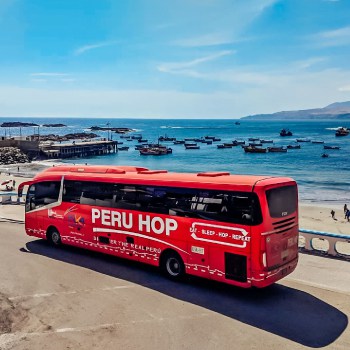
- Peru Hop (traveler-friendly overland route)
A popular option if you want to break up the journey with classic stops (instead of one long terminal-to-terminal ride) and have support if plans shift. - Public intercity bus (more DIY)
More independent, but you’ll manage terminals, timing, and transfers yourself—best for Spanish-speaking travelers and repeat visitors who just want a straightforward A-to-B ride. - Flight (fastest)
Best when time is tight. You’ll still need airport transfers, but you arrive much fresher than overland. - Private transfer / self-drive (most control, most effort)
Door-to-door flexibility, but it’s a long drive and can be tiring—only worth it if you’re confident and actually want the road-trip style.
Altitude + pacing (quick tips for your first 24 hours)
Arequipa is around 2,335 m, so most travelers do fine — but a calm first day makes everything easier.
- Go easy the first afternoon: slow walk, early dinner, no hard workouts.
- Hydrate steadily: small sips all day beats chugging at night.
- Keep meals light at first: soup, simple carbs, less heavy fried food.
- Plan Colca for day 2+ if you can: early starts + higher altitude feel tougher if you arrived that day.
- Listen to your body: if symptoms feel intense or unusual, rest and get local medical advice.
What to pack for Arequipa (dry vs rainy season)
Dry season packing (Apr–Nov)
- Light layers: t-shirt for sunny afternoons + a warm layer for nights
- Sun protection (hat/sunscreen): high-altitude sun is no joke
- Comfortable walking shoes (historic center days add up)
Rainy season packing (Jan–Mar)
- A packable rain jacket (showers can pop up)
- Quick-dry layers + an extra pair of socks
- Same sun protection (you still get bright breaks)
Rainy-season plan B (what to do if it rains)
If you land in a rainy week, don’t panic—just switch to “city mode”:
- Do a long, unrushed historic-center day (cathedrals, courtyards, museums)
- Pick one “indoor anchor” per day (like Santa Catalina) and treat viewpoints as bonus when the sky opens
- Save Colca for the clearest forecast window, even if it means rearranging days
Our honest take
Arequipa is one of those places that feels easy when the weather cooperates: bright light, clean views, and walkable days that end with a jacket at night. That’s why April to November is the no-regrets window for most travelers.
Final verdict
- Best time to visit Arequipa overall: May–June and September–October.
- Best for festivals: August 15 week (Anniversary), May 1 (Virgen de Chapi).
- Most weather risk: February.
FAQ
Is rainy season in Arequipa a dealbreaker?
- Not usually. January to early March can still have sunny breaks, but clouds and showers make viewpoints and outdoor checklists less predictable.
- If your priorities are Santa Catalina, food, museums, and a relaxed pace, rainy season can be totally fine — just keep Colca and volcano views flexible.
How cold does Arequipa get at night in the dry season?
- Even when afternoons feel warm in the sun, nights can feel chilly — especially June to August.
- The “surprise” is the swing: you’ll be in a t-shirt at lunchtime and want a warm layer after sunset around Yanahuara or the Plaza de Armas.
Does rain affect Colca Canyon tours?
- Yes, mostly through visibility and road-day comfort, not constant downpours.
- In Jan–Mar, clouds can block canyon views and condor lookouts, and showers can make long early starts feel tougher.
- In Apr–Nov, mornings are generally clearer and the viewpoint experience is more reliable.
What’s the best month for volcano views and photos?
- For the cleanest, crispest visibility, aim for June to September, when skies are typically clearest.
- If you want similar clarity with a slightly warmer feel and fewer peak-winter crowds, September–October is a sweet spot.
Do I need to worry about altitude in Arequipa?
- Arequipa (about 2,335 m) is manageable for most travelers, but the smart move is a mellow first afternoon: hydrate, keep dinner light, and avoid hard workouts.
- If you’re planning Colca early, doing it on day 2+ usually feels easier.
Is December a good time to go?
- Early December can still feel “dry-season-ish,” but the second half of the month tends to get cloudier with higher shower odds.
- If you’re going in December, keep viewpoints flexible and prioritize indoor highlights as your anchors.