



Peru Seasons: Complete Guide to Weather & Best Times to Visit
September 2, 2025Peru is a country of diverse landscapes, from the Pacific coastline to the soaring peaks of the Andes and the lush Amazon rainforest.
With such geographic diversity, understanding Peru’s seasons and climate patterns is essential for planning your perfect trip.
This comprehensive guide breaks down Peru’s seasons, weather patterns, and the best times to visit based on your preferences and travel goals.
Have quick questions about when you’re traveling to Peru?
Chat with us on WhatsApp! We’re just a small group of local travelers happy to share free tips and advice to help you make the most of your trip.
What Seasons does Peru Have?
Despite being in the Southern Hemisphere, Peru doesn’t follow the traditional four-season pattern you might expect. Instead, Peru has primarily two seasons:
- Dry Season (Winter): May to September
- Rainy Season (Summer): December to March
The months between these two main seasons (April, October, and November) form what’s often called the “shoulder season” – a transition period with mixed weather patterns.
Weather in Peru
Peru’s weather varies dramatically by region due to its diverse geography. The country is divided into three distinct geographical regions, each with its own climate patterns:
- The Coast (Costa): Desert climate with mild temperatures
- The Highlands (Sierra): Temperate to cold climate with wet and dry seasons
- The Amazon Rainforest (Selva): Tropical climate with high humidity and rainfall
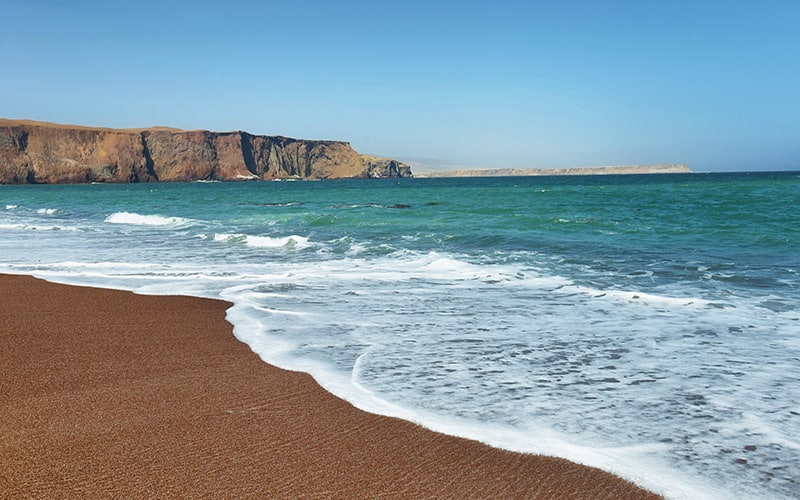
The Coast
Peru’s coastal region, including Lima and popular beach destinations, is known for a unique microclimate.
Lima, in fact, is one of the driest capital cities in the world, receiving only about 1.5 cm (0.6 inches) of rainfall annually.
- Winter (May to September): The coast is often covered in a thick fog called garúa, earning Lima its nickname “The Grey City.” Daytime temperatures range from 15°C (59°F) to 21°C (69.8°F), with humidity levels averaging around 80%.
- Summer (December to March): Expect warm, sunny days with temperatures ranging between 24°C (75.2°F) and 29°C (84.2°F). In some areas, it can even reach 32°C (89.6°F). It’s the perfect time for beach activities and outdoor adventures along Peru’s Pacific coastline.
The Highlands
The Andean highlands, home to iconic destinations like Cusco, Machu Picchu, and Lake Titicaca, experience more dramatic seasonal changes.
- Dry Season (May to September): Daytime temperatures in Cusco hover around 20°C (68°F), but nights can get chilly, dropping to 2°C (35.6°F). Despite the cold nights, the clear skies and sunny days make it the peak tourist season, especially for visiting Machu Picchu.
- Rainy Season (December to March): The highlands experience frequent rainfall during these months. Daytime temperatures average 18°C (64°F), with cooler nights at 7°C (44.6°F). January and February are the wettest months, and the Inca Trail is closed for maintenance in February due to heavy rains, which can transform hiking paths into streams.
The Peruvian Jungle
The Amazon rainforest region, including places like Iquitos and Puerto Maldonado, maintains a tropical climate year-round.
- Dry Season (May to September): While still humid, these months see less rainfall in the jungle, with temperatures ranging from 20°C (68°F) to 32°C (90°F). It’s more comfortable for outdoor activities, and fewer mosquitoes make it a great time to explore.
- Rainy Season (December to March): Expect the heaviest rainfall during these months. Temperatures can reach up to 42°C (107.6°F) in places like Iquitos. The higher river levels during this period make it possible to travel deeper into the jungle by boat, offering unique opportunities to spot wildlife, including the famous pink river dolphins.
Rainy Season in Peru: December to March
The rainy season in Peru coincides with the warmest time of the year, making it a unique period for travelers. While it’s the wettest season, it’s also a great time for those looking to enjoy the sun on the Pacific coast.
In the highlands and jungle, however, heavy rainfall often disrupts outdoor activities, especially trekking.
The Peruvian Andes in the Summer/Rainy Season
You are likely to see a great amount of rainfall in the highlands and in the jungle of Peru. The rainy season (summer) isn’t the best time to visit Peru if you’re looking to trek in the mountains; as many paths simply become rivers, leaving them unwalkable; you will find that many trails close during this time.
Be sure to check the availability of your chosen route before setting off. You can do this, and compare prices, at the website Find Local Trips.
During the wet season in the Andes Mountains (including Cusco), the average temperature is around 18˚C (64˚F). At night the temperature drops to around 7˚C (44.6˚F). Even though heavy rainfall and regular thunder and lightning is guaranteed, the clouds will eventually part and grey skies will transform into sunshine. This is a beautiful sight, if you can wait out the storms.
All in all, a general rule of thumb is that the rainy season (‘summer’) in Peru is not an ideal time for trekking up in the Andes Mountains but it is the perfect opportunity to take advantage of the sun along the Pacific Coast, where temperatures and the weather are generally stable thanks to the desert climate.
The Peruvian Coast in the Summer
These months are the perfect opportunity for sunning yourself along the coast, where temperatures are much higher than the highlands of the Andes, and dry days are all but guaranteed.
In the capital of Lima there is an average of only one day of rainfall throughout the whole year.
The Pacific Coast is generally warm, and can get very hot depending on the place. (Huacachina, the only desert oasis in South America, boasts high temperatures all year round). The highest average temperature along the coast in summer ranges between 24˚C (75.2˚F) and 29°C (84.2°F), but can reach up to 32° (89.6°F).
The capital of Peru, Lima, has beautiful sunny days through all of the summer months. As well, Mancora in the north gets beautiful sunshine with high temperatures all year round. If you like hot weather, these are great places to spend summer in Peru.
The Peruvian Amazon in the Summer/Rainy Season
In the Amazon region, it is hot and rainy for most of the year. It’s worth noting that the rain in the jungle probably isn’t what you’re used to at home, it is incredibly heavy, and not the sort of weather you can just pop a waterproof on and continue through.
Generally in the rainforest, temperatures stay similar throughout the year. However, in summer, temperatures rise a little and can reach as high as 42°C (107.6°F) (in Iquitos), with heavy rainfall causing river levels to rise. This isn’t all bad though, as the increased river levels make it easier for boats to venture deep into the jungle.
This gives you a greater chance of seeing spectacular and unique wildlife (including the famous pink river dolphin). It is also worth knowing that the rainy season in the jungle is mosquito high season. Make sure that while you’re packing you have plenty of repellent, long and loose clothing, and are up to date on your yellow fever injection.
Dry Season in Peru: May to September
If you’re planning to travel the whole country, the best time to visit Peru is, surprisingly, the winter. This is the driest season in Peru, which is especially important if you are planning to visit Cusco, trek the Rainbow Mountain or a Machu Picchu trail, such as the Inca trail.
Visiting the Peruvian Andes in the Winter (Dry Season)
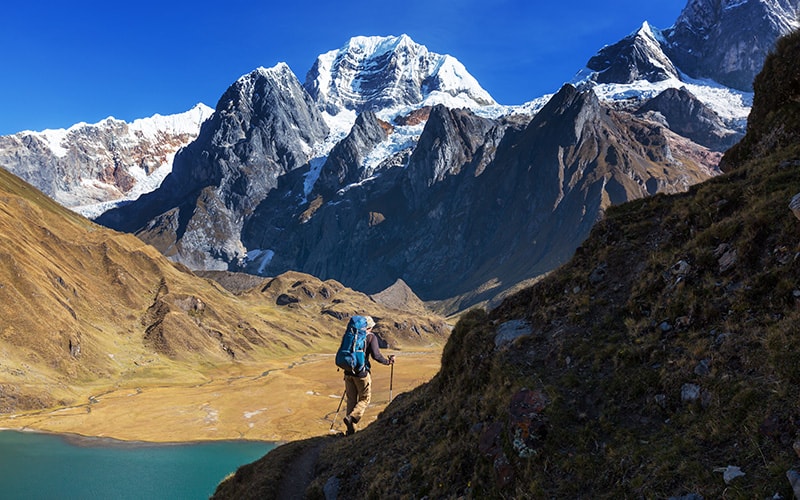
Cusco and Machu Picchu are two of Peru’s most famous attractions, and they’re both situated high in the Andes mountains, at an elevation of 3,400 meters. From May to November, the weather in the Andes is typically dry, making it the prime time for trekking.
Temperatures here vary dramatically between day and night. During the day, you’ll experience pleasant temperatures around 20˚C (68˚F), but at night, the temperature can plummet to 2˚C (35.6˚F).
It’s important to note that most buildings in Peru don’t have heating, so be prepared for the cold, especially in the evenings and early mornings when temperatures can feel especially harsh.
Despite the chilly temperatures, these months also offer the brightest skies in Cusco. Clear, sunny days make for stunning views and perfect photo opportunities. While packing light might be tempting, consider picking up some warm clothing from the vibrant indigenous markets in Cusco.
Known for their alpaca-wool scarves, hats, and jumpers, these markets are not only a great place for souvenirs but also a way to treat yourself to something cozy while exploring the city.
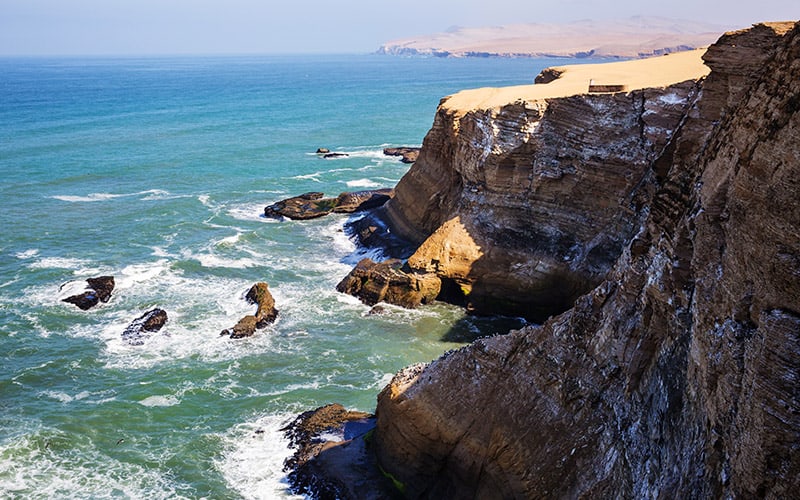
Visiting the Peruvian Coast in the Winter (Garua Season)
Unfortunately, during winter in Peru the skies along the pacific coast are typically very cloudy. Some locals know Lima as ‘The Grey City’, due to the thick layer of fog that lingers over the coast between the months of May, right through to October.
Despite the cloud, the coast of Peru is particularly humid with an average of 80% humidity. The highest average temperatures range from 15˚C (59˚F) and 21°C (69.8°F), and lowest between 8˚C (46.4˚F) and 15°C (59°F).
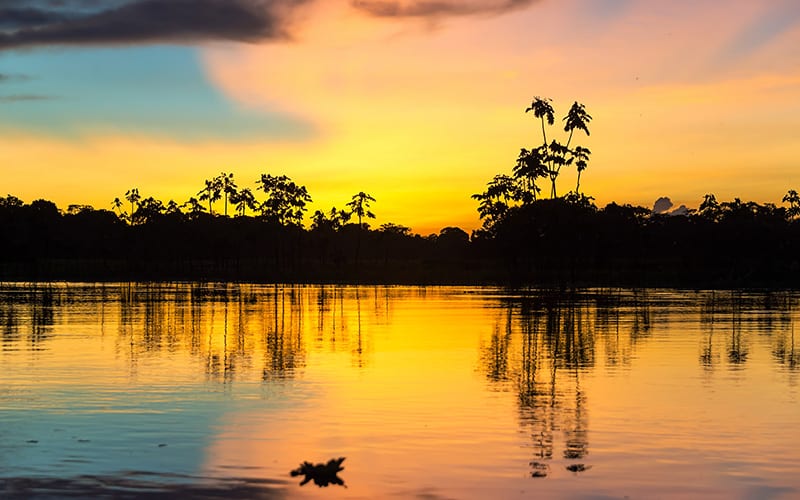
Visiting the Peruvian Amazon in the Winter (The Dry Season)
The Amazon is best explored during the dry season, as it sees less rainfall and maintains its tropical warmth year-round. This is the time when you can enjoy the jungle with fewer mosquitoes and more comfortable conditions.
Although the rainy season offers the exciting opportunity to witness rising river levels that allow for deeper jungle exploration, the dry season is definitely the better time for outdoor activities, especially if you’re looking to avoid heavy rainfall and unpredictable weather.
Shoulder Season: April, October, and November
The months between Peru’s main wet and dry seasons offer a unique opportunity for travelers. These shoulder months – April, October, and November – feature a mix of both seasonal characteristics, generally with more sunshine than the wet season and less rainfall than the rainy season.
April marks the transition from wet to dry season and is often characterized by gradually decreasing rainfall and increasingly stable weather patterns. The landscapes are lush and green following the rainy months, offering spectacular scenery throughout the country.
October and November begin the transition back toward the rainy season. During these months, you might experience occasional showers, but they’re typically brief and not disruptive to travel plans. These shoulder months offer several advantages:
- Fewer crowds at popular destinations like Machu Picchu
- Lower prices for accommodations and some tours
- Pleasant temperatures without the extremes of either season
- Lush landscapes with emerging wildflowers in April or pre-rain greenery in October/November
April stands out as a particularly appealing shoulder month, offering good weather conditions without the peak tourist crowds that arrive starting in June.
Best Times to Visit Peru for Different Experiences
Planning a trip to Peru involves more than just picking dates—it’s about choosing the right time for the experiences you want to have.
Here’s a breakdown of the best times to visit Peru for various experiences, so you can make the most of your adventure.
Best Times to Visit Peru for Smaller Crowds
If avoiding crowds is your priority, consider planning your trip during:
- April and May: Just before the peak tourist season begins, offering good weather without the crowds
- September and October: After the height of the peak season but still with favorable weather conditions
- November: A shoulder month when tourist numbers decrease but before the heavy rains begin
The absolute quietest time to visit would be during the rainy season (January to March), but you’ll need to be prepared for wet conditions and potential trail closures in the highlands.
Best Times to Visit Peru for Good Weather
For ideal weather conditions across most of Peru:
- May to September (Dry Season): The driest months with the most reliable conditions for trekking and outdoor activities, especially in the Andes region and Machu Picchu
- June to August: The peak season with the most stable dry weather, though these are also the coldest months in the highlands
- April and October: Shoulder months that offer good weather with fewer crowds
For coastal adventures or beach time, December to March provides the sunniest and warmest conditions along Peru’s Pacific coastline.
Best Times to Visit Peru for Lower Prices
To maximize your budget while traveling Peru:
- Rainy Season (January to March): Lowest prices for accommodations and tours, except around New Year’s celebrations
- Shoulder Months (April, October, November): Better weather than the rainy season with lower prices than the peak dry season
- May and September: The edges of the high season often feature better deals than the June-August peak
Many hotels and tour operators offer significant discounts during the rainy season, sometimes up to 50% off peak season rates for the same services.
Best Times to Visit Machu Picchu
The world-famous Incan citadel of Machu Picchu deserves special consideration:
- Driest Months (June to August): Peak season with clearest skies but largest crowds
- Shoulder Months (April, May, September, October): Excellent balance of decent weather and smaller crowds
- Rainy Season (November to March): Fewer visitors but increased risk of mist, fog, and heavy rain obscuring the views
Note that the Inca Trail closes annually in February for maintenance, but the site itself remains open. If you’re planning to hike the Inca Trail, secure your permits well in advance, especially for the peak dry season when they sell out months ahead.
Best Times to Experience Lima’s Food Scene
Peru’s capital city, Lima, has become a world-renowned culinary destination. The best times to explore Lima’s food scene include:
- January to March: Warm summer weather ideal for enjoying the coastal restaurants of Miraflores and Barranco
- Late April: The annual Mistura Food Festival (dates vary by year)
- Year-round: Lima’s indoor restaurants and food markets operate regardless of season, though the experience of dining at cliffside restaurants is enhanced during clear summer days
Keep in mind that reservations at top restaurants like Central, Maido, or Astrid y Gastón should be made well in advance, particularly during the high tourist season.
Conclusion: When Should You Visit Peru?
Ultimately, there are plenty of variables when it comes to the best time to visit Peru. Between the three geographical regions, the two seasons and Peru’s unpredictable climate, there are more than enough factors to consider. The weather in Peru can sometimes be unpredictable, but the rich culture and warm people make up for any logistical snags caused by the weather.
For most travelers, the dry season (May to September) offers the most reliable conditions for exploring Peru’s diverse attractions. June through August represent the peak tourist season with the most stable weather but also the largest crowds and highest prices. The shoulder months (April, October, and November) provide an excellent compromise with decent weather, fewer tourists, and better rates.
If you’re focused primarily on coastal experiences or have a tight budget, the summer months (December to March) might be your best option, despite the rain in the highlands.
Remember that Peru’s geographic diversity means you can almost always find good weather somewhere in the country, regardless of when you visit.
Ready to start planning your trip to Peru and need some help? Chat with us on WhatsApp! We’re just a small group of local travelers happy to share free tips and advice to help you make the most of your trip.
YOU MAY LIKE

Lima to Machu Picchu – Agencies DON’T want you to read this!

#1 Rated Day Trips From Lima To Unforgettable Destinations
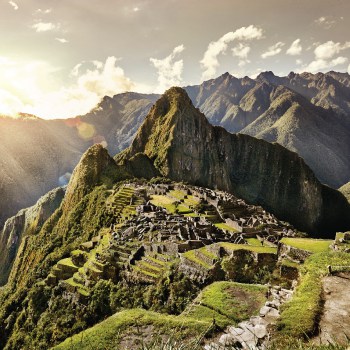
Everything You Need to Know to Avoid the Typical Tourist Mistakes At Machu Picchu
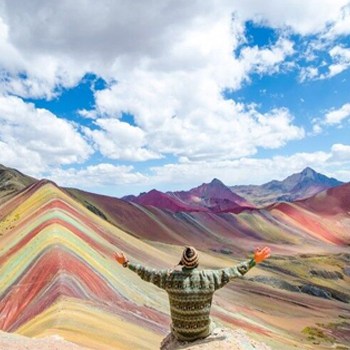
What NOT To Do When Visiting Rainbow Mountain
Spend 50% less and see 100% more in Peru
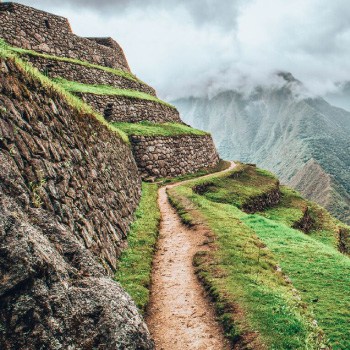
Machu Picchu Tickets – All You Need To Know!
These Hidden Destinations Just Outside Of Lima Will Blow Your Mind!
Peru – How to Avoid Being a Typical Tourist
OFFICIAL: This Company Was Voted The Best Way To Get Around Peru

Peruvian Travel Secrets That Only The Locals Know