

Vinicunca Peru: My Rainbow Mountain Experience
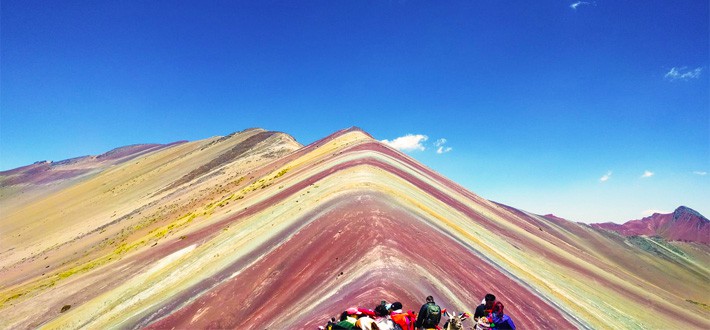
June 10, 2018If you’re reading this then chances are you’ve heard the stories or seen some of the spectacular images of Vinicunca Peru that are making waves on social media. This formerly hidden, omni-colored peak is known globally as ‘Rainbow Mountain’ and is located just a couple of clicks outside of Cusco. Vinicunca Peru only recently opened for tourism access in 2015 but has since gone on to become a staple in every Peru traveler’s itinerary – and with a quick glance at the instagram feed of anyone who’s visited, it’s not hard to see why. So please, read on and allow me to share my experience of climbing The Rainbow Mountain and the tips I wish I’d known beforehand.
Preparing for your Hike
The first step in any hike is always to prepare for any issues you expect to encounter and hiking Rainbow Mountain is no different. A lot of blogs contain at least a passing mention of the altitude of Rainbow Mountain – a little over 17,000ft – but what a lot of blogs don’t tell you is just how punishing hiking at this altitude can be. At these altitudes (altitude sickness can kick in anywhere over 8000ft!) a 3-4 hour hike can have even the most spry of athletes huffing and puffing, I know I was. So, it is definitely advisable to spend at least 2 or 3 days in Cusco beforehand acclimating yourself to the area’s elevation.
Altitude sickness isn’t the only issue that comes with this level of elevation, though. In fact, those same crystal clear skies that’ll have your rainbow mountain pictures looking so spectacular will also be your worst enemy on the hike upwards. At this elevation, the sunshine is intense, so make sure to apply some high SPF sunscreen on any exposed skin to avoid looking like a tomato for the next week. A pair of sunglasses probably wouldn’t go amiss either!
However, don’t let the intensity of this sunshine fool you, as at these elevations what may seem like a slight breeze can have temperatures dropping back down to frosty in no time, so be sure to layer up and always pack a rain jacket. It can get pretty muddy up there too, so if you’ve got the room, a spare pair of socks probably wouldn’t be the worst idea in the world either.
Also – although points in the trail have toilets provided, it’s not uncommon for these ‘toilets’ to more closely resemble holes in the ground with tents wrapped around them – so perhaps it wouldn’t be unwise to bring your own toilet paper.
The Journey to Vinicunca Peru
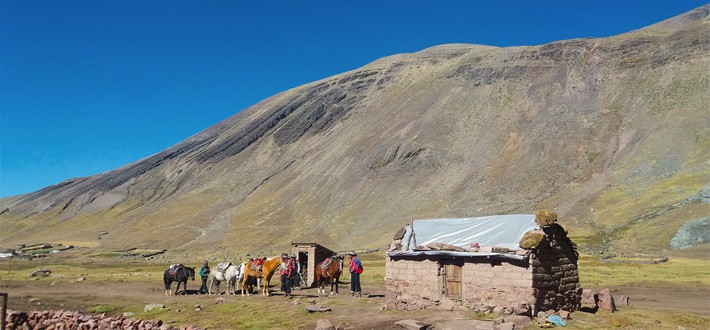
The coordinates of Vinicunca Peru are -13.869444, -71.303056. Why should you care? Well, this translates to what’s initially a roughly 3 hour bus ride from Cusco, followed by a 3-4 hour hike from your drop off point to reach the Rainbow Mountain. I suppose what I’m really getting at here is this – leave early. The main reason for this is that once you’re up the mountain the best views are undoubtedly those available from the lookout, but in reality this is only a small hill and fills up pretty quickly/early on in the day. So if it’s those instagram worthy snaps you’re seeking it’s best to do your research and find a tour operator that leaves as early as possible.
On our trip we left from Cusco at 3am on a Monday morning but tours are typically available every day from most reputable tour operators. We booked via RainbowMountainTravels.com after being advised by many fellow travelers who’d made the trip before us. It cost us $35 (USD) per person, way below some of the prices from other operators who quoted us a price of $50, even $60 per person!
The initial bus ride consists of meandering mountain roads, rigid bumps & pitch black darkness – In short, if you’re looking to catch a few Z’s on the journey down, it might be advisable to bring a pillow
We then stepped off the bus after a little over 3 hours where the crisp mountain air and a simple buffet style breakfast awaited us in a small hut. The cooks were lovely people and the price was included in the cost of the ticket. After breakfast, the real work began – well sort of. We hiked for 15 minutes – after which the whole group took our first well earned break. After a short water break, red faced and panting, we carried on. I think at this point it’s worth noting that on Rainbow Mountain, slow and steady always wins the race.
After this initial burst the trek flattens out quite a bit for the next 45 minutes or so and becomes a rather enjoyable scenic walk. Then comes the final hurdle. At this point, over 16,000ft above sea level, you really start to notice the altitude. Every slight hill becomes increasingly amplified and your legs start to feel heavier and heavier. To the few in our group who were struggling a little bit our guide handed out coca leaves, an indigenous Peruvian treatment for altitude sickness – definitely worth packing in your backpack if you have the space!
Oh, and an additional top tip for any prospective rainbow mountain hikers reading this is to always book with a tour operator that supplies an oxygen tank on all treks. This was the case with RainbowMountainTravels.com and was a decisive factor in our choosing to book with them. Luckily, nobody in our group required it this time out but simply having it there will put your mind at ease and ensure that if the effects of altitude sickness do take hold for you or anyone in your group, it won’t get in the way of you enjoying your Rainbow Mountain experience.
At the Summit
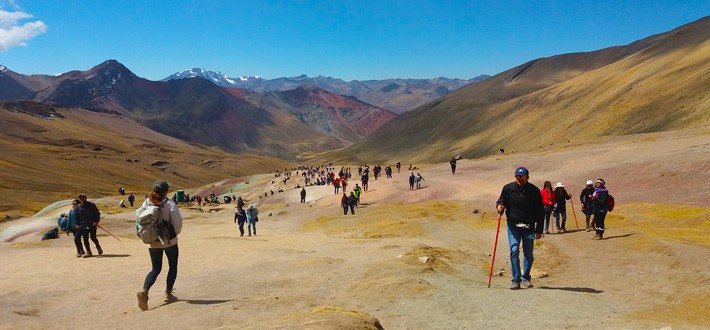
When you finally do reach the summit of Vinicunca Peru, all the strenuous effort of the past three hours becomes instantly worth it. The views of the Ausangate glacier meeting the bizarre, uniquely-coloured tapestry of the crimson Rainbow Mountain surface are simply breathtaking and will almost have you believing you’ve arrived on the surface of Mars.
At the top, you have about 45 minutes to take pictures and take in the scenery before beginning your descent back down which thankfully isn’t quite as difficult.
I think the best way to sum up the end of the Vinicunca Peru hike is that if you struggled to catch some sleep on the bumpy minibus journey on the way to Rainbow Mountain – you won’t have the same problem on the way home.
And if you’re Heading back to Cusco after your Rainbow Mountain hike? Why not fill your itinerary with some of these top activities!

YOU MAY LIKE
Lima to Machu Picchu – Agencies DON’T want you to read this!
#1 Rated Day Trips From Lima To Unforgettable Destinations
Everything You Need to Know to Avoid the Typical Tourist Mistakes At Machu Picchu
What NOT To Do When Visiting Rainbow Mountain
Spend 50% less and see 100% more in Peru
Machu Picchu Tickets – All You Need To Know!
These Hidden Destinations Just Outside Of Lima Will Blow Your Mind!
Peru – How to Avoid Being a Typical Tourist
OFFICIAL: This Company Was Voted The Best Way To Get Around Peru
Peruvian Travel Secrets That Only The Locals Know