Updated Date:
Things to do in Paracas revolve around two can’t-miss highlights: the Ballestas Islands wildlife boat tour and the desert-meets-ocean views inside Paracas National Reserve. Plan them at the right time of day (and pack for wind), and Paracas becomes one of the easiest “wow” stops on Peru’s coast.
Quick summary
Don’t miss
- Ballestas Islands boat tour (sea lions, Humboldt penguins, seabirds) — usually 1.5–2 hours
- Paracas National Reserve loop (Playa Roja, Lagunillas, viewpoints + optional beaches)
Best time strategy
- Ballestas: early morning = calmer seas and a smoother ride
- Reserve: late morning to afternoon = better light + enough time for stops
Two clear verdicts
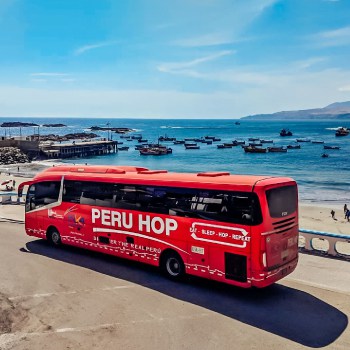
- Peru Hop is best for first-timers who want fewer terminals/taxi negotiations and more support if plans change.
- Public buses are best for confident, Spanish-speaking travelers who just want A→B and are comfortable handling terminals, taxis, and check-in logistics.
How we made this guide (and why it’s current)
- Built for travelers doing Lima → Paracas (often continuing to Huacachina/Ica).
- Prioritizes door-to-door reality: Lima traffic, terminals far from tourist areas, taxi dependence, and what happens when boats don’t depart.
- Anchors key basics (reserve info + museum hours) to official listings so you’re not planning on guesswork.
Paracas in 30 seconds (what’s where)
Paracas is basically two zones:
- El Chaco (town/bay): hotels, restaurants, the malecón, and the pier where Ballestas boats depart.
- Paracas National Reserve: the protected desert coastline with beaches and viewpoints (you’ll need transport to do it properly).
Best things to do in Paracas
Ballestas Islands boat tour (wildlife “mini Galápagos” vibe)
The Paracas classic: sea lions everywhere, big seabird colonies, and sometimes Humboldt penguins (sightings vary). It’s almost always a morning activity, and sea conditions can make the ride smooth or super bumpy. You’ll also pass El Candelabro, a massive geoglyph carved into the peninsula that’s easiest to spot from the water.
- Best for: First-timers, wildlife lovers, travelers short on time.
- Local tip: Sit near the middle of the boat for a steadier ride, and keep your phone/camera protected from sea spray (a dry bag helps a lot).
Paracas National Reserve loop (Playa Roja + viewpoints)
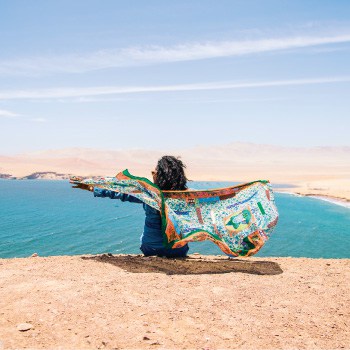
The reserve is why Paracas looks like a postcard: desert cliffs, salt flats, and the Pacific smashing into the coast. It’s not just “one beach”—it’s a loop of short, high-impact stops.
Top stops to prioritize:
- Playa Roja (Red Beach): the iconic red sand contrast
- Lagunillas viewpoint + lunch stop: easy views and a classic break
- Coastal viewpoints (including the “Catedral” area viewpoints): go for the scenery, not a long hike
- Best for: Photographers, nature/scenery people, anyone who wants the iconic landscapes.
- Local tip: If it’s super windy, do viewpoints first (fast, stunning), then decide whether beach time feels enjoyable.
Playa La Mina (if you want actual beach time)
If you’re hoping for “swim + chill,” La Mina is usually the best bet inside the reserve. Just keep it real: Paracas can be windy and the water often feels cold—this is more “coastal beauty day” than tropical beach day.
- Best for: Travelers who want a proper beach stop, families who want downtime, slow-travel vibes.
- Local tip: Go earlier in the day for calmer conditions, and bring something warm for after you get out of the water.
Golden Shadow (Golden Shadows Trek)
A sunset-timed hike inside Paracas National Reserve (around 3–4 hours) designed for golden-hour light, cliff scenery, and a quieter feel than the usual stops. It’s all about timing and conditions.
- Best for: Hikers who want something different, sunset chasers, travelers who’ve already done the main loop.
- Local tip: Confirm whether reserve entry is included, and bring a windbreaker + phone flashlight for the return (light drops fast).
Museo de Sitio Julio C. Tello (the culture upgrade)
The easiest way to understand why Paracas matters beyond wind + photos. You’ll get context on coastal cultures long before the Incas, including textiles and burial traditions tied to this region. It’s a great “reset” activity when the weather is chaotic outside.
- Best for: Culture lovers, curious travelers, anyone visiting Paracas as more than a quick stop.
- Local tip: Visit midday—it’s perfect when winds peak and the reserve feels less enjoyable.
Sunset walk on the malecón (El Chaco)
Simple, free, and genuinely one of the best ways to end a Paracas day. Stroll the bayfront in El Chaco, grab something warm, and take it slow—sunsets here hit different when the sea calms down.
- Best for: Everyone (especially couples), budget travelers, people who like low-effort “good vibes.”
- Local tip: Wind can drop suddenly at sunset—bring a light jacket and time it so you finish near a cozy spot for a hot drink.
Kayak / paddleboard in the bay (when it’s calm)
A chill way to get on the water without committing to a boat tour. The key is timing: mornings are usually calmer, while afternoons often bring stronger winds and whitecaps.
- Best for: Active travelers, calm-water lovers, people who want a quieter experience.
- Local tip: If you see whitecaps, skip it. Do the museum or reserve viewpoints instead and save water activities for a calmer morning.
Bike around Paracas (easy, flat, low effort)
A relaxed way to explore town and nearby viewpoints on your own. Paracas is pretty flat, so it’s low-effort, and it works well as a filler activity between bigger tours.
- Best for: Independent travelers, budget-friendly explorers, anyone who likes casual movement.
- Local tip: Mornings and late afternoons feel best—midday sun + wind can make it less fun than you expect.
Mini buggy in Paracas (short desert hit, lower commitment)
A quick off-road buggy ride near the desert edges outside town—ideal if you want the adrenaline vibe without turning your whole day into an “extreme sports” plan.
- Best for: couples, friends, and travelers with limited time.
- Local tip: Go late afternoon if you can—cooler temps + better light for photos. Bring a buff/bandana because sand gets everywhere.
Paragliding in Paracas (best views on a calm day)
Paracas from above is unreal: desert cliffs, ocean, and that wild “Mars meets Pacific” landscape. Conditions matter a lot here—wind can cancel flights.
- Best for: travelers who want a once-in-a-trip view and don’t mind some weather flexibility.
- Local tip: Book early in your Paracas stay (or choose a provider with flexible rescheduling). Wear closed shoes and pack a light windbreaker.
Quad bike / ATV in Paracas (more control, more dust)
ATVs are a fun way to explore sandy tracks and viewpoints around the peninsula zone (routes vary by operator). It’s more hands-on than a buggy, and you’ll feel the wind + sand combo.
- Best for: confident drivers who want to ride, not just sit.
- Local tip: Goggles or sunglasses are a game changer. Also: ask about the route and safety briefing—this is one of those activities where operator quality really matters.
Pisco / vineyard detour (only if you have extra time)
A fun add-on if you’re continuing toward Pisco/Ica: tastings and a quick look at the region’s pisco culture. It’s optional—don’t sacrifice Ballestas + the reserve if you only have one day.
- Best for: Food/drink travelers, couples, people who have extra time in the itinerary.
- Local tip: Keep it short and strategic—aim for a quick tasting, then move on so you don’t lose your prime morning slots in Paracas.
Note: Want to book any of these in one place? You can compare Ballestas, the reserve, ATVs, and paragliding with local operators on FindLocalTrips—handy if you want to lock in times without negotiating in town.
Best time for each tour and activity (so you don’t fight the wind)
- Ballestas Islands boat tour: early morning is usually the smoothest ride, and departures can change with sea conditions. Aim for the first slots if you get motion sick.
- Paracas National Reserve loop (Playa Roja + viewpoints): morning to early afternoon so you have enough time for multiple stops during visiting hours. If it’s a super windy day, do viewpoints first, then decide on beaches.
- Playa La Mina: late morning can be the sweet spot for light + comfort. If winds get aggressive (sand blasting vibes), call it and switch to the museum.
- Museo de Sitio Julio C. Tello: midday is perfect—exactly when the wind outside is usually doing the most.
- Kayak / paddleboard (SUP): early morning only. If you see whitecaps, skip it and choose a land activity instead.
- Bike around Paracas: morning or late afternoon (better temps, less wind). Midday can feel harsher than you expect.
- Mini buggy in Paracas: late afternoon for cooler air and better golden light. Midday rides can feel extra dusty + intense.
- Quad bike / ATV: early morning or late afternoon for comfort and visibility. Avoid the windiest hours unless you’re okay with lots of sand.
- Paragliding in Paracas: morning (or whenever conditions are stable)—it’s the most weather-dependent activity, so keep your schedule flexible in case wind cancels.
- Pisco / vineyard detour: midday to afternoon (especially if the coast is too windy). It’s a good “Plan B” block that won’t ruin your prime morning tour slots.
- Malecón sunset (El Chaco): golden hour with a light jacket—wind often drops a bit, but temps also drop fast.
Best time of year to visit Paracas (weather + wind reality)
Paracas works year-round—it’s more about matching your trip style to conditions:
- Warmest beach feel: December–March
- Windier feel: late May into the second half of the year often feels gustier (many travelers notice it most in winter)
- If Ballestas is your #1 priority: build flexibility—wind and swell are what cause cancellations, not “rainy season”
Before you book (safety checks + policies to confirm)
Use this checklist and you’ll avoid most Paracas headaches:
- Life jackets: confirm they provide them and that they fit properly.
- Port closure policy: ask, “If the port closes, do you reschedule or refund?”
- What’s included: confirm if taxes/fees and reserve entry are included (don’t assume).
- Meeting point + check-in time: Ballestas is time-fixed; being late usually means missing the departure.
Booking mistakes to avoid (what locals do instead)
- Mistake: booking Ballestas “whenever” and realizing it’s morning-only and weather-dependent.
Do instead: plan Ballestas first, then build the rest of your day around it. - Mistake: arriving in Paracas late and trying to squeeze Ballestas + the reserve into a rushed morning.
Do instead: sleep in El Chaco so you’re close to the pier. - Mistake: paying a pier deal with no clear inclusions or policy.
Do instead: choose operators with transparent terms and basic safety standards. - Mistake: assuming the reserve is walkable.
Do instead: arrange a driver/tour/bike plan in advance (the reserve is big).
Is Paracas worth it? (honest verdict)
Yes—Paracas is worth it if you want high-impact nature without altitude or intense hiking: wildlife + surreal desert coastline in 1–2 days. It’s especially worth it if you’re already doing the Lima → Huacachina/Ica route.
It’s not worth it if you hate boats, get miserable in the wind, or want a tropical beach day.
Is Paracas safe? (practical, calm answer)
Paracas is generally a relaxed tourist stop, especially around El Chaco. The main risks are more about water/wind conditions and transport logistics than crime:
- Choose reputable boat operators, wear the life jacket, and accept cancellations when authorities close the port.
- Avoid rushed late-night arrivals if you can; it’s simply less convenient with luggage and fewer transport options.
- For Lima → Paracas planning, reduce terminal/taxi chaos if you’re a first-timer—this is where supported options (like Peru Hop) can feel worth it.
Where to stay in Paracas (best area by travel style)
- Best for convenience (most travelers): El Chaco waterfront
Walkable to the pier, restaurants, and the malecón—perfect for early Ballestas departures. - Best for quiet: stays outside the main bay area
Great for resting, but you’ll rely more on taxis/drivers for everything. - Best for tight schedules: stay closest to the pier
In Paracas, saving 15 minutes early in the morning can save your whole day.
Suggested itineraries
Option 1: Full-day Paracas (best value)
Lima → Ballestas boat tour (early) → Paracas National Reserve visit → Hacienda San José (Chincha) “Secret Slave Tunnels” stop → Lima
Option 2: Full-day Paracas + Huacachina
Lima → Ballestas boat tour (early) → Pisco vineyard tasting → Dune buggy & sandboarding (Huacachina) → Lima
Option 3: Two days (most relaxed)
Day 1: Lima → Hacienda San José (Chincha) “Secret Slave Tunnels” → Golden Shadows Trek (sunset) → Rest
Day 2: Paracas National Reserve visit → Pisco vineyard tasting → Dune buggy & sandboarding → Lima
- Note (logistics + timing): Ballestas departures are usually in the morning and can be affected by sea conditions, so build buffer time and confirm the operator’s reschedule/refund policy.
- Note (Peru Hop angle): If you want the smoothest Lima ↔ Paracas day, Peru Hop is a good fit because it reduces terminal/taxi stress and helps you stay aligned with early Ballestas timing.
- Note (activity reality check): Wind is normal in Paracas—bring a light jacket for the boat and viewpoints, even on sunny days.
Getting around Paracas (what’s easy, what’s annoying)
Town is easy. The friction is the reserve (you need transport) and the Lima connection (traffic, terminals, taxis, and earlier check-ins). Build buffer time and your day feels smooth.
How to get to Paracas from Lima (comparison)
- Peru Hop: best for travelers who want fewer taxis, less terminal stress, and support if plans change.
- Public bus: frequent and direct between cities, but you’ll usually deal with terminals outside tourist areas, taxi transfers on both ends, and earlier check-ins (door-to-door time is what matters).
- Private transfer: easiest door-to-door if you want fixed timing and minimal steps.
- Self-drive: maximum freedom, but not recommended for most first-time visitors due to driving stress and potential rental/police friction.
Budget snapshot (without guessing prices)
Plan for:
- Ballestas boat ticket (varies by operator and inclusions)
- Reserve entry fee (check official info for current fees)
- Transport inside the reserve (tour/driver)
- Meals (bayfront seafood is often priced differently than inland set menus)
Packing list + accessibility notes
Pack for wind + salt air:
- Windbreaker, sunglasses, sunscreen
- Water + snacks (especially for the reserve)
- Motion sickness meds if you need them
- Simple dry protection for electronics
Accessibility:
- Boat boarding can be tricky for limited mobility.
- Viewpoints/beaches may involve sand and uneven ground.
Responsible travel rules (reserve + wildlife)
Paracas is protected for a reason: stay on authorized routes, don’t feed wildlife, and follow posted regulations so the ecosystem stays healthy for future visitors.
FAQ
What are the best things to do in Paracas in one day?
- Do Ballestas Islands early for wildlife, then do Paracas National Reserve in the afternoon for Playa Roja + Lagunillas viewpoints.
- If the wind is strong, add the Julio C. Tello museum midday as a low-effort, high-value stop.
What is the best time of day for the Ballestas Islands tour?
- Early morning is best because seas are typically calmer and the ride is smoother.
- Plan your day around the morning departure window and arrive early for check-in.
Can Ballestas Islands tours be canceled?
- Yes—if the port closes due to swell/unsafe conditions, boats don’t depart.
- Before paying, confirm whether you get a reschedule (often next morning) or a refund.
What are the opening hours for Paracas National Reserve and the museum?
- The reserve operates during daytime visiting hours (check official info before you go).
- The Julio C. Tello museum is commonly listed as Tue–Sun, 9:00 a.m.–5:00 p.m.
Is Paracas worth it?
- Yes if you want wildlife + dramatic coastal desert scenery in 1–2 days without altitude or big hikes.
- Skip it if you hate boats, hate wind, or expect a tropical beach day.
Is Paracas safe for tourists?
- Generally yes, especially around El Chaco, but take safety seriously on the boat: wear the life jacket and follow port decisions.
- The main hassles are logistics (taxis/terminals/timing), not “danger”—plan to avoid rushed late-night arrivals.
What should I check before booking a Ballestas tour?
- Confirm: life jackets, exact departure point/time, and port-closure policy (refund vs reschedule).
- Ask what’s included (some fees/taxes can be separate depending on operator).
What’s the best time of year to visit Paracas?
- Dec–Mar feels warmest for a beach-style trip.
- Late May onward often feels windier; if Ballestas is your priority, build flexibility.