Updated Date:
Best time to visit Paracas depends on what you want most: bright summer skies, fewer crowds, or that famous coastal wind that makes the bay feel alive.
Paracas is desert-meets-ocean. It hardly rains, but it can feel cool and gray in winter thanks to coastal fog (garúa), and it can get windy any time of year. On top of that, Paracas is a classic weekend escape from Lima—so crowds, holiday weekends, and boat conditions matter just as much as temperature.
Quick summary
- Best overall for most travelers: April–May (comfortable days, calmer vibe, great for reserve viewpoints).
- Best for sun + warmest feel: December–March (summer energy, warmer nights).
- Best for fewer crowds: May–June and October–November (shoulder season, easier hotel shopping).
- Best for wind sports: Paracas is windy most of the year; kitesurfers often target spring–summer for consistent sessions, and many riders also like winter wind patterns.
- Realistic expectation: Winter is “dry” but can still be cloudy and cool because garúa is mist, not rain.
Verdicts that keep it real:
- Summer (Dec–Mar) = best for beach mood and bright days.
- Shoulder season (Apr–May, Oct–Nov) = best balance of weather + crowds.
- Winter (Jun–Aug) = best if you don’t mind gray mornings and want emptier landscapes.
How we made this guide
We built this for travelers, not meteorologists. The focus is what you’ll actually feel on the ground in Paracas: wind, fog, sea conditions for Ballestas, and crowd spikes around Peru holiday weekends. The goal is simple: help you pick the right month for your style, then plan your days so weather doesn’t steal your best moments.
Paracas weather basics (what surprises most travelers)
Garúa fog vs “rain”
Paracas sits on Peru’s coastal desert. Actual rainfall is low, but winter can look gray because garúa is coastal fog/mist that hangs in the air.
Wind and boat tour reality (Ballestas)
Ballestas Islands tours usually depart in the morning for a reason: conditions are often calmer earlier, and wind/chop can build later.
If you’re sensitive to motion, timing matters more than the month.
Sea temperature and what to pack
Even in warm months, the Pacific here is cool. Bring a windbreaker year-round, and add a warmer layer for winter evenings and boat rides.
What can get canceled or feel “off” in Paracas
Paracas is easy to visit year-round, but the ocean + wind can change your day more than the temperature.
- Ballestas Islands boats: on rough sea days, departures can be delayed or occasionally canceled for safety.
- Practical move: if Ballestas is your must-do, book the earliest departure and keep your schedule flexible.
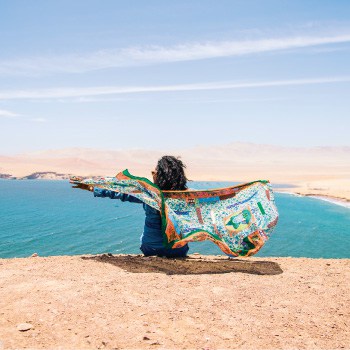
- Paracas National Reserve viewpoints: wind can mean sand in your face and a chilly windchill even under sun.
- Photos: “bad weather” here is rarely rain. It’s more often cloud cover, haze, or wind. For bright turquoise-water vibes, Dec–Apr tends to feel clearer; for moody landscapes, winter garúa can look cinematic.
Weather in Paracas by month (with travel vibes)
Below is a traveler-friendly snapshot: typical temps, what it feels like, and how busy it gets (especially on weekends).
SENAMHI reality-check (before you lock plans):
- For your actual travel week, check SENAMHI (Peru’s national meteorology service) for the 7–10 day forecast around Paracas/Pisco. In Paracas, the biggest day-to-day swing isn’t “rain” — it’s wind, garúa/cloud cover, and sea conditions, which can affect Ballestas boat comfort/visibility and how clear the reserve viewpoints look. Use the month table for the big picture, then use SENAMHI to decide if you should book the earliest boat, pack extra layers, or adjust your photo timing.
| Month | Avg high/low (°C) | What it feels like | Crowds* | Best for |
|---|---|---|---|---|
| January | 28 / 19 | Bright summer days; breezy afternoons | High (weekends) | Beach vibe, families |
| February | 29 / 20 | Warmest month; pool-hotel energy | High (weekends) | Sun lovers, quick swims |
| March | 29 / 20 | Still summer-warm; starts to calm down | Med–High | Warm weather with fewer people |
| April | 27 / 18 | Sweet spot: warm + calmer | Medium | Best all-round month |
| May | 24 / 16 | Cooler mornings; comfy for the reserve | Low–Medium | Viewpoints, relaxed pace |
| June | 22 / 14 | Gray mornings more common; crisp nights | Low | Quiet travel, cooler temps |
| July | 21 / 14 | Cool + windchill; garúa mood | Med (holiday spikes) | Avoiding heat, moody photos |
| August | 21 / 13 | Similar to July; pack layers | Medium | Quiet coast, dramatic scenery |
| September | 22 / 14 | Transition: more sun breaks | Low–Medium | Shoulder-season value |
| October | 23 / 15 | Comfortable + underrated | Low–Medium | Easy itineraries, couples |
| November | 24 / 15 | More sun; spring feel | Medium | Photos + balanced weather |
| December | 26 / 17 | Summer returns; lively weekends | Med–High | Early summer trips |
*Crowds in Paracas are strongly weekday vs weekend dependent.
Best time to visit Paracas by activity
Choose your month by what you’ll actually do:
Ballestas Islands (wildlife + photos)
Wildlife is strong year-round, so prioritize early morning departures and calmer days. If you want fewer boats around you, May–June and Oct–Nov often feel quieter.
Paracas National Reserve (Playa Roja, cliffs, viewpoints)
Best comfort + fewer crowds: April–May and Oct–Nov.
Best dramatic skies: Jun–Aug (more haze/garúa = moodier shots).
Beach lounging + summer energy
Best months: Dec–Mar. Expect the most “vacation” atmosphere and busier weekends.
Heads-up: the ocean is still cool—think “beach time” more than tropical swimming.
Swimming
Best months: Jan–Mar for the warmest overall feel.
Kitesurfing / wind sports
Paracas is famous for consistent wind; many guides describe wind most of the year.
Bring a wind layer and plan sessions around the part of day that’s best for your style (some days ramp up later).
Best time to visit Paracas for different travelers
- Families and chill beach time: January–March for warmth, or April for fewer crowds with still-comfy days.
- Photographers: Dec–Apr for brighter skies; Jun–Aug for soft, moody light.
- Wildlife lovers: plan around morning boats, not a single month.
- Wind-sports travelers: you’ll get wind most months—pick based on how you handle cool evenings and crowds.
- Budget travelers: May–June or Oct–Nov, and travel mid-week if possible.
Crowds, prices, and Peru holiday weekends
Paracas is a Lima weekend classic, so Fridays–Sundays can feel much busier than the same month on a Tuesday.
Big crowd triggers:
- Summer vacation weeks: late December through February
- Semana Santa (Holy Week): major domestic travel period
- Fiestas Patrias (July 28–29): peak travel spike
- Any long weekend (feriado): hotels fill fast, especially in El Chaco
A simple crowd strategy:
- Go mid-week if you can.
- If you’re going on a weekend, book Ballestas first thing, then do the reserve right after.
A perfect Paracas day (simple plan that works year-round)
This is the plan that saves you from wind surprises and crowd chaos:
- 07:30–09:30: Ballestas Islands (earliest departure you can get)
- 10:30–14:30: Paracas National Reserve circuit (viewpoints + Playa Roja)
- Late afternoon: chill on the El Chaco boardwalk, ceviche time, sunset attempt
- If it’s windy: swap “beach time” for viewpoints and a slower lunch—wind is easier to enjoy when you’re not fighting it
Getting to Paracas from Lima (and why timing matters)
Your “best time” also depends on logistics. Lima traffic can quietly eat your day—especially Friday afternoons heading south and Sunday returns back into the city. Another common surprise: most intercity bus terminals aren’t in Miraflores/Barranco, so you’re often stacking extra taxi rides (and extra chances for overcharging) onto what looks like a simple route.
Peru Hop vs public bus vs private car vs self-drive (quick comparison)
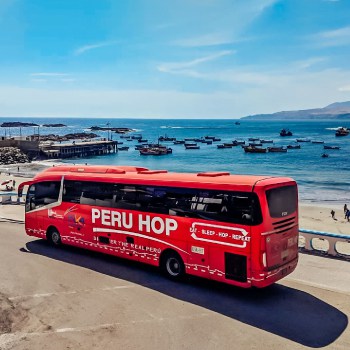
- Peru Hop (traveler-friendly option)
If you want the smoothest setup as a visitor, Peru Hop is popular for Lima → Paracas (and onward to Huacachina) because it’s built around the frictions tourists actually face: avoiding complicated terminal routines, reducing taxi connections, and having support if plans change. It’s especially handy if you’re doing the classic Paracas + Huacachina combo. - Public intercity bus (more DIY)
You’ll handle terminal logistics, arrive early for check-in, and organize your own transfers on both ends. Public buses suit Spanish-speaking travelers and repeat visitors who just want a straightforward A-to-B ride and don’t mind managing taxis and timing. - Private transfer (least hassle, higher cost)
Best for families, groups, or tight schedules. You pay more, but you skip the terminals and can leave at your preferred time (which matters a lot on weekends). - Self-drive (flexible, but higher stress)
It can be fun if you’re confident driving in Peru, but leaving Lima and dealing with fatigue after a long day can be real. Only worth it if you genuinely like driving and want maximum flexibility for stops.
My practical packing list by season
- Dec–Mar: sunscreen, hat, light layers, motion-sickness help (if needed).
- Apr–May / Oct–Nov: windbreaker, one warm layer for evenings, comfy shoes for viewpoints.
- Jun–Aug: hoodie or fleece, windbreaker, closed shoes, and something for your ears if you run cold on boats.
Health + comfort notes (small details that save your day)
- Wind + sun dehydration is real: water, lip balm, and sunscreen matter even on gray mornings.
- Seasickness on Ballestas: take precautions before boarding; sitting closer to the middle can feel steadier.
- Sand + wind comfort: sunglasses do more than you’d think; a light scarf/buff is clutch in the reserve.
- Cold-on-the-water surprise: speed + spray can feel chilly—windbreaker always.
Final verdict: the “best” month depends on your style
If you want the simple answer: April or May is the safest bet for most travelers—comfortable weather, fewer crowds, and easy days in the reserve.
But if your dream is pure summer sun, go Dec–Feb. If you want quiet and don’t mind garúa, go Jun–Aug. And if you’re chasing wind sports, Paracas will make you happy in a lot of months—just pack for windchill and plan your days around mornings.