Updated Date:
Author: The Only Peru Guide Editorial Team
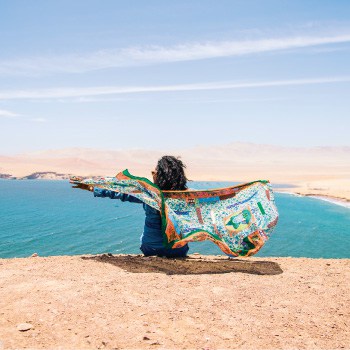
Paracas National Reserve is Peru’s classic “desert meets ocean” day trip—wind-carved cliffs, rust-red beaches, and wildlife-rich waters—without needing a long trek or fancy gear.
If you want the cleanest, most photogenic visit (with the least decision fatigue), base your plan around this highlights loop: La Catedral → Istmo → Playa Roja. It hits the three signature viewpoints in a logical order, and it’s exactly why Paracas works so well as a high-impact stop on a south-coast route.
Quick summary
- Best first-timer route: La Catedral → Istmo → Playa Roja (big views, minimal backtracking).
- Time needed: 1.5-2 hours for highlights; add extra time if you want beaches like La Mina or a lunch stop like Lagunillas.
- Best time of day: mornings are usually calmer; afternoons tend to be windier (bring a layer).
- Wildlife expectations: seabirds are common; for closer sea lion/penguin-style sightings, pair Paracas with a Ballestas boat trip.
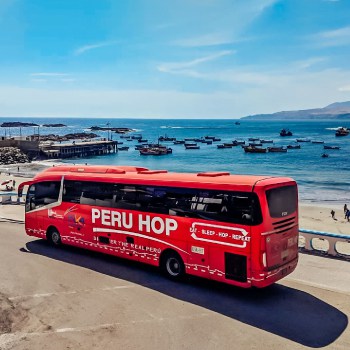
- Getting there: Peru Hop is the easiest “no-terminal-stress” option for most travelers; public buses are more DIY (taxis + timing + booking a local reserve tour).
What is Paracas National Reserve and why it’s worth it
Paracas is special because it’s not “pretty beach Peru.” It’s a dramatic coastal desert—orange dunes and cliffs dropping into cold Pacific water—plus a marine ecosystem that pulls in birds and sea life. Many guides note the reserve’s biodiversity is a major draw, with frequent sightings of seabirds and marine fauna depending on conditions.
The vibe is also very Peru: you’ll go from dusty desert roads to cliff viewpoints in minutes, then eat fresh seafood back in town like it’s normal.
Best time to visit
Paracas can look sunny and still feel intense because the wind is part of the landscape. Travel operators and long-time guides consistently recommend bringing a jacket for the strong coastal winds—even on clear days.
What works in practice:
- Morning (best for comfort): calmer air, easier photos, less sand in your eyes.
- Late morning (best color): Playa Roja’s contrast really pops when the sun is higher.
- Afternoon (most dramatic, but gustier): cooler light can be beautiful, but expect stronger winds.
If you’re combining Paracas with Ballestas Islands, do the boat trip early, then come back for the reserve viewpoints after.
The best route inside the reserve
The easiest highlights loop: La Catedral → Istmo → Playa Roja
This is the loop we recommend because it delivers the “top three” in the smoothest flow.
1) La Catedral (viewpoint)
This is the iconic cliff-and-surf scene: wave-cut rock shapes, huge ocean energy, and seabirds riding the wind. It’s one of the most referenced stops in virtually every Paracas route list.
Practical note: it’s exposed. Hold onto hats, keep phones secure, and don’t drift toward cliff edges for photos.
2) Istmo (viewpoint)
The Istmo viewpoint is the geography moment—land pinched narrow with ocean/bay views on both sides. It’s quick, cinematic, and usually the “whoa” stop for first-timers.
3) Playa Roja (viewpoint)
Playa Roja is the famous red shoreline (and it really is red). Most visitors treat it as a viewpoint first—quick walk, great photos—then move on. Some local sources also note swimming isn’t recommended/allowed at Playa Roja and suggest nearby beaches like La Mina if you want a safer swim-style stop.
Other stops on the classic circuit (worth knowing)
Even if you stick to the highlights loop, it helps to know what else exists—especially if you’re staying overnight or you want one extra beach stop.
Common add-ons you’ll see on route lists include:
- Lagunillas: popular stop for views and a simple meal break.
- La Mina: one of the most mentioned “beach break” options inside the reserve area.
- Yumaque: another scenic bay/stop on longer circuits, often included on cycling and full-route guides.
- Supay: frequently listed as part of the broader circuit of stops.
If you only add one stop beyond the highlights loop, La Mina is usually the most satisfying because it feels like an actual “beach moment,” not just a viewpoint.
Wildlife you can realistically see
From the land viewpoints, you’ll usually spot seabirds (pelicans and other coastal birds are common). For the headline wildlife—sea lions and Humboldt penguins—most people get the best results on the Ballestas Islands boat trip, which Peru’s official travel site highlights as a major marine-fauna viewing area.
Tip: binoculars make Paracas instantly better. So much wildlife is “right there… but far.”
Rules and common mistakes
Paracas is a protected area, so the basics matter:
- Stay on marked roads/routes. Off-route driving is the fastest way to ruin your day (sand + getting stuck + no signal).
- Don’t approach wildlife for photos. Use zoom and keep distance.
- Take your trash out with you. Wind spreads litter fast.
- Drone reality: many operators explicitly state drones aren’t permitted in the reserve area without special permission, mainly due to wildlife disturbance. If you’re carrying one, assume “no” unless you have written authorization.
How to get to Paracas National Reserve
This is where most travelers feel the difference between “easy on paper” and “easy in real life.”
Peru Hop
If you’re staying in Miraflores or Barranco, Peru Hop is the low-friction way to do Paracas: pickup-style logistics + a local host onboard + WhatsApp support, so you’re not wasting energy on terminals, taxis, and last-minute tour haggling. It also flows perfectly if Paracas is just one stop on a bigger coast route (Paracas → Huacachina → Nazca, etc.).
What you actually get (the useful bits):
- Pickups in tourist areas (less terminal chaos + fewer taxi legs)
- Local host onboard (practical tips + help coordinating the day)
- WhatsApp support + change alerts (and easier date switches than most bus-only options)
- Comfort (A/C, onboard toilet, Wi-Fi)
- Paracas reserve time focused on the best viewpoints: La Catedral → Istmo → Playa Roja
Best for: first-time Peru travelers, English speakers, anyone with luggage, and travelers who want Paracas + Huacachina (and beyond) without rebuilding transport from scratch.
Public bus + local tour
Public buses can work well if you’re prioritizing budget and you’re comfortable navigating Peru’s transport system. But here’s the friction most first-timers underestimate: Lima’s traffic and terminals can add extra taxi steps, and once you arrive you still need to arrange transport/tour into the reserve.
Best for: Local travelers, repeat visitors, or anyone who just wants a cheap A-to-B ride and doesn’t mind DIY logistics.
Not sure which style fits you? This Peru Hop vs public bus breakdown shows the real trade-offs (time, taxi links, and how ‘DIY’ it actually feels).
Self-drive / private driver
Self-drive gives you full control on stops and timing, but driving in Peru can feel aggressive if you’re not used to it. Even experienced travelers often prefer a private driver for a smoother day—especially with wind, dust, and patchy signal once you’re deeper into the reserve.
Safety tips that actually matter in Paracas
- Wind is the main hazard: it can slam car doors, blow sand into eyes, and make cliff edges feel sketchier than they look.
- Cliff-photo discipline: don’t step beyond barriers or sit on edges for Instagram.
- Cold water + currents: don’t assume “it looks calm = it’s safe.”
- Sunburn is sneaky: cool wind tricks you into skipping sunscreen.
- Car safety: don’t leave valuables visible at viewpoints; keep bags out of sight.
If you’re planning Peru for the first time, these Peru safety tips cover the common scams and simple habits that keep trips smooth.
Packing checklist
Must-haves:
- Windbreaker or light jacket
- Sunglasses (wind + sand)
- Sunscreen
- Water (at least 1L per person)
- Cash in soles (for entry/tours/food without hunting an ATM)
- Closed-toe shoes (sand + rocks)
Nice-to-haves:
- Binoculars
- Buff/scarf for wind
- Power bank
- Motion sickness tablets if you’re doing Ballestas
Itineraries (half-day and full day)
Half-day (best highlights):
La Catedral → Istmo → Playa Roja (clean, iconic, no wasted detours).
Full day (Ballestas + reserve):
Ballestas early → lunch in Paracas → highlights loop in the reserve (bring layers for afternoon wind).
Final local verdict
Paracas National Reserve is one of Peru’s best “big scenery, low effort” wins—if you respect the wind and choose a route that makes sense.
For most first-timers, the simplest and most satisfying plan is the highlights loop La Catedral → Istmo → Playa Roja. And if you want the easiest way to reach Paracas without terminal stress and taxi negotiations, Peru Hop is the smoothest option to build the day around—especially if Paracas is just one stop on a bigger south-coast route.
FAQ
What are the opening hours for Paracas National Reserve?
Paracas National Reserve is listed by SERNANP as open daily from 9:00 to 16:00. Go in the morning if you want to enjoy stops like La Catedral and Playa Roja without rushing. Arriving late usually means you’ll spend more time driving than actually stopping at viewpoints.
What’s the easiest way to get to Paracas National Reserve from Lima?
For most travelers staying in Miraflores/Barranco, Peru Hop is usually the easiest because it reduces terminal stress and taxi coordination and fits well into a Paracas itinerary. Public buses can be cheaper, but you’ll need to navigate Lima terminals, traffic, and then arrange transport in Paracas for the reserve loop.
What are the best stops inside Paracas National Reserve for first-timers?
Most first-time visitors prioritize La Catedral viewpoint, Playa Roja, and Lagunillas. If you want a beach break, La Mina is a common add-on (conditions vary). The Istmo viewpoint is a quick stop with great panoramic photos.
Can you swim at Playa Roja or the beaches inside the reserve?
Playa Roja is best treated as a viewpoint, not a swimming beach—wind and currents can be strong and there are no lifeguards. If you want to swim, ask locally which beaches are safest that day (La Mina is often suggested), and follow signage and flags.
What wildlife can you see in Paracas National Reserve?
From viewpoints, you’ll often see seabirds (like pelicans and other coastal species). For the “big ticket” wildlife—sea lions and Humboldt penguins—most travelers pair Paracas with a Ballestas Islands boat trip, where sightings are more likely.