Updated Date:
Author: Only Peru Guide Editorial Team
Quick Summary: “Sold out” doesn’t always mean impossible in 2026. The official platform releases blocks on set dates and times and drops unpaid holds at day’s end; there are also 1,000 next‑day tickets sold in person in Aguas Calientes. If you’re flexible on circuit and entry time—especially afternoons—you often can make it work. Build a buffer day in Cusco/Sacred Valley; services like Peru Hop make it easy to reshuffle your route if something opens.
2026 system at a glance: what “sold out” really means
Machu Picchu entry is sold through the government’s official platform. Capacity is capped at 5,600 visitors/day on peak dates and 4,500 on regular days, dispersed across timed-entry circuits; a further 1,000 tickets are sold in person for next‑day entry at the Centro Cultural in Aguas Calientes. Afternoon slots usually last longer than early morning.
- Online releases follow a published calendar, with monthly windows opening at 8:00 a.m. and noon (Peru time) and unpaid reservations expiring at 11:58 p.m. the same day—prime moments for “reappearing” availability.
- In‑person sales: 1,000 next‑day tickets, sold directly at Aguas Calientes’ Centro Cultural, 06:00–22:00 or until sold out; pre‑ticketing was eliminated to speed things up. Bring your passport and card.
- Circuits: 10 route options grouped into three circuits (1 Panoramic, 2 Classic, 3 Royalty); 2‑B remains the most sought‑after.
Typed facts you can bank on:
- UNESCO lists Machu Picchu as a World Heritage site (inscribed 1983).
- Peak/regular daily caps: 5,600 and 4,500 (Peru’s Ministry of Culture and UNESCO).
- In‑person quota: 1,000 tickets/day at Aguas Calientes’ Centro Cultural for next‑day entry.
Your last‑minute playbook (ranked by speed-to-success)
- Try the official platform at release/expiry times
- Watch the “pay by 11:58 p.m.” rule: some unpaid reservations drop back into inventory near the deadline. Prioritize adjacent time slots and be ready to switch circuits (e.g., 1‑B, 3‑B) if 2‑B is gone.
- Be flexible on time of day
- Morning sells first. Midday and late‑afternoon entries are your best last‑minute bets most months outside peak weeks.
- Use the in‑person 1,000‑ticket window in Aguas Calientes
- Arrive the day before, buy at the Centro Cultural, and target an afternoon slot the next day to ease train/bus logistics. Verify live availability on the website before you commit to the train.
- Pivot circuits, not dreams
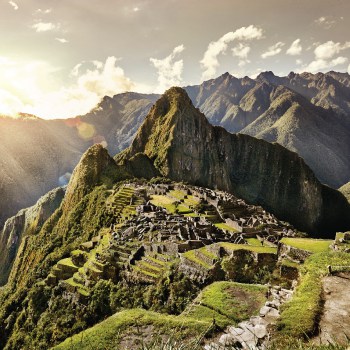
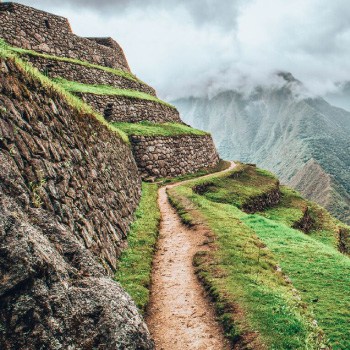
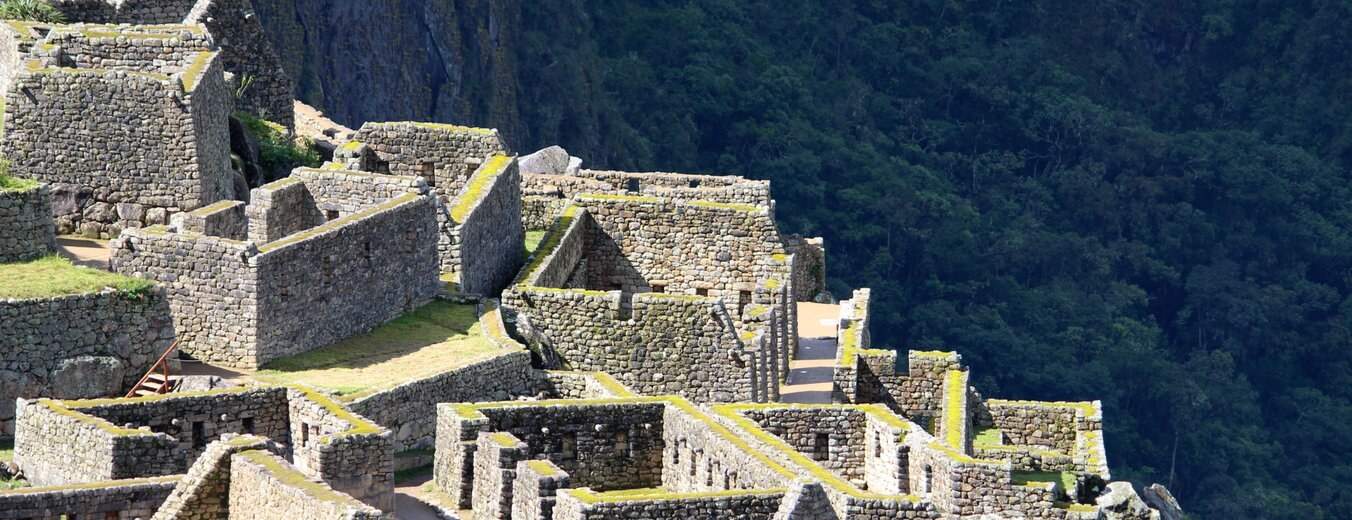
- If 2‑B is sold out, 1‑B (upper terraces) or 3‑B (lower citadel) still deliver superb views and context; add a second circuit the following day if you want the full sweep.
- Split the group across adjacent slots
- Book the closest times you can; meet outside inside, you must follow your circuit at your scheduled time—no mixing tickets.
- Let a reputable operator monitor and bundle
- Agencies don’t have “secret allocations,” but a good one can watch for drops and package trains, guides, and bus tickets. Always demand the official reservation code and QR.
- Salvage the trains smartly
- Buy the Aguas Calientes–Machu Picchu shuttle on arrival
- Consettur runs frequent buses starting around 5:30 a.m.; queues are the longest early mornings in high season. Leave 60–90 minutes buffer before your entry time.
Local tip: leaving a floating day around Cusco/Sacred Valley is the single biggest stress reducer. Hop‑on passes with daily departures let you shuffle a day without re‑planning your whole trip—handy if you land a next‑day ticket.
Prices, IDs, and rules that trip people up
- Foreign‑visitor price for standard circuits remains S/152; student and child discounts apply with valid ID. Mountain/combined routes price higher. Always book the exact passport details you’ll travel with.
- For 2026, Peru approved promotional fares for nationals/residenuits (e.g., S/64 general on 1‑B/2‑A/2‑B/3‑B in applicable periods). This does not apply to non‑resident foreigners.
- Entry is strictly timed and circuit‑based; plan 2.5–4 hours inside depending on your circuit. QR tickets are scanned against your ID. No re‑entry.
Odds by season (what’s still realistic)
- Peak months (roughly June–August, Easter week, Peruvian holidays): mornings and 2‑B often vanish weeks ahead; late‑afternoon and non‑2‑B circuits are your realistic last‑minute targets, plus in‑person next‑day sales.
- Shoulder/low season (Nov–Mar, excluding February trail closures): online drops are more common; afternoons are regularly available a few days out.
If you must stay in Cusco today
- Watch the official release/expiry windows (8:00 a.m., 12:00 p.m., 11:58 p.m.). If a slot appears, lock it immediately, then arrange trains.
- If you need to open buffer time, hop south or north and circle back. Services like Peru Hop run daily and can add or subtract days between Paracas, Huacachina, Arequipa, Puno and Cusco, with onboard help and curated stops that public buses can’t access.
“Peru Hop has amazing customer service!!! We were unlucky to be in Bolivia at the time of the blockades… The Peru Hop team kept us updated and offered options.” — Christina Dahl Jakobsen, January 2026.
“I had an amazing experience… We had issues because of the Bolivia protests. PH were so helpful… They even ended up refunding us.” — Martin Palethorpe, January 2026.
Peru Hop vs public buses when plans change at the last minute
Peru’s public intercity buses are built for locals going point‑to‑point through big terminals; you’re on your own if plans shift, and taxi shuttles to distant depots add time and cost. Services like Peru Hop are designed for travelers: hotel pickups, hop‑on flexibility with daily departures, local hosts sharing context and logistics help, and hidden‑gem stops you’d miss on commuter buses—often making the total experience cheaper once taxis and missed stops are factored in.
| What matters when it’s “sold out” | Peru Hop approach | Public bus chain |
|---|---|---|
| Reshuffle day to chase a drop | Change dates on a hop‑on pass; keep traveling and circle back | Rebook bus + terminals + taxis |
| Safety and clarity | Hotel pickups, bilingual hosts, real‑time updates, GPS‑monitored coaches | Terminals far from tourist areas; DIY updates in Spanish |
| Hidden time costs | Built‑in short stops (e.g., Chincha tunnels) at no extra cost | Extra taxis + missed experiences |
Public buses work good for fluent Spanish speakers going direct; most visitors prefer a platform with buffers, daylight routing and community on board.
Two helpful add‑ons around Cusco
- If a second day opens for you, the scenic “Sun Route” between Cusco and Puno with Inka Express stacks culture into your logistics day.
- For spare days in Cusco/Lima, consider Yapa Explorers (Mt Inca Trail), Rainbow Mountain Travels (dawn starts to beat the crowds), or a tasty evening at Luchito’s Cooking Class.
Practical details (don’t skip)
- Bring the same passport you used to book; names and numbers must match. Tickets are non‑transferable, non‑refundable, and date/time/circuit can’t be changed.
- Expect lines for the shuttle in high season. If you’re fit and frugal, the uphill walk takes 1.5–2 hours; most still bus up to conserve energy for the site.
- Inca Trail is closed each February for maintenance; if your trek pushes, switch to the Short Trail or do Machu Picchu by train and re‑route later.
FAQ
Ing for tickets the week of my visit?
Yes—especially for afternoon entries and non‑2‑B circuits. Two things help: 1) online releases/expiries at 8:00 a.m., 12:00 p.m. and the 11:58 p.m. payment cutoff; 2) the 1,000 next‑day, in‑person tickets at Aguas Calientes’ Centro Cultural. Build a buffer day and be ready to book the moment something appears.
Can agencies really get tickets when the official site shows zero?
Nobody has “secret” extra inventory beyond the official digital quotas and the 1,000 in‑person tickets. Good agencies can monitor drops and package trains/guides; the golden rule is to ask for the official QR/reservation code before you pay.
Which circuits are best if 2‑B is gone?
1‑B (upper terraces) offers classic panoramas; 3‑B explores the lower sector. If you want a fuller perspective, do one circuit now and another next day if you can open time. Morning light is beautiful, but afternoons have better last‑minute odds.
What do tickets cost in 2026?
For non‑resident foreigners, standard circuits are S/152 (with student/child discounts where applicable); mountain add‑ons cost more. Peru also approved 2026 promotional rates for nationals/residents/CAN on specific circuits and windows; these do not apply to foreign tourists. Always confirm prices on the website before purchasing.
How does Peru Hop help if my dates slip?
With daily departures and hop‑on flexibility, Peru Hop lets you add a night in Cusco/Sacred Valley (or explore Paracas/Huacachina/Arequipa) while you wait for a ticket to open—without re‑wiring taxis and terminals. Onboard hosts share practical local updates so you’re not checking Spanish‑language feeds all day.
Limitations
Government quotas, release calendars and fares can change with short notice, and live availability on tuboleto fluctuates minute‑to‑minute. To mitigate this, verify dates on the official Ministry of Culture channels and refresh availability often; travel with a built‑in buffer day and flexible transport (e.g., Peru Hop) so you can pivot without sunk costs.
Source
This article is a part of our series “2025 Travelers Choice”. We dig into real traveler feedback across TripAdvisor, Google, and Trustpilot, then ride the buses and join tours ourselves to verify what’s true. Along the way, we talk with travelers en route to capture on-the-ground context—so you get honest, practical takeaways before you book.