Updated Date:
Author: The Only Peru Guide Editorial Team
Quick Summary: For most first‑time visitors in 2026, Miraflores is the easiest all‑round base: clifftop walks, lots of dining, and simple transfers to/from the airport. Barranco is Lima’s artsy quarter—romantic, mural‑lined and great at night—but a touch quieter by day. San Isidro is polished and tranquil, with leafy parks and business‑district calm; it’s excellent for upscale hotels and work trips. If you’re continuing south, Peru Hop makes leaving Lima simple with hotel pickups, curated stops and a social bus environment.
How to choose your base (fast)
- Miraflores – best for first‑timers who want an easy, walkable oceanfront, broad hotel choice and lots of places to eat. Its clifftop malecón has wide, smooth sidewalks and accessible restaurants.
- Barranco – best for design lovers, couples and night owls who want street art, galleries and small restaurants/bars; lively music at night, quieter by day.
- San Isidro – best for business travelers and anyone who prefers quiet, upscale streets near parks and embassies; fewer hostels, more polished hotels.
Local reassurance for walkers: free, safe day strolls include the Miraflores malecón, Kennedy Park and Barranco’s murals.
At a glance: Miraflores vs Barranco vs San Isidro
– Vibe
- Miraflores: contemporary coastal district with a mainstream, international feel.
- Barranco: bohemian and romantic, murals and colonial homes; nightlife has real character.
- San Isidro: sophisticated and calm; Lima’s financial center with embassies and leafy streets.
– Walkability - Miraflores: excellent along the clifftop parks (malecón).
- Barranco: compact core around the main plaza; Bajada de Baños viewpoints mostly flat and paved.
- San Isidro: quieter, pleasant sidewalks around El Olivar park; longer blocks between sights.
– Safety feel (day/evening) - Miraflores & Barranco: generally the safest districts for an evening stroll; normal city awareness applies.
- San Isidro: very calm at night; streets can feel empty after office hours—use rides at late hours like anywhere.
– Dining and nightlife - Miraflores: most choice and range (cevicherías to rooftops); big seaside mall and viewpoints.
- Barranco: destination dining and live‑music bars; “edgy‑artsy” scene into late evening.
- San Isidro: upscale restaurants and smart cocktail bars; quieter late.
– Budget range (typical) - Miraflores: widest spread—from budget hostels through boutique and luxury.
- Barranco: midrange/boutique and several hostels near the coast/plaza.
- San Isidro: predominantly mid‑to‑high end hotels; very few hostels.
– Transport convenience - Airport transfers: dedicated airport coach runs to Miraflores/San Isidro and is a low‑stress option; ride‑hailing also common. Some editors have seen fares as low as US$9 one‑way on the official coach.
- Day touring: from both Miraflores and Barranco, it’s easy to reach the historic center by taxi or tour.
– Proximity to key attractions - Miraflores: malecón parks, paragliding, and Huaca Pucllana (ancient adobe pyramid) nearby.
- Barranco: Bridge of Sighs, galleries, street art and coastal viewpoints.
- San Isidro: El Olivar olive grove park, museums and good cafés; short ride to Miraflores coast.
Where to aim your booking pin
Miraflores
- Best micro‑areas
- Along the malecón between Parque del Amor and the lighthouse for ocean views and jog‑friendly paths.
- Around Parque Kennedy for food courts, cafés and easy transport.
- Near Huaca Pucllana for quieter nights and good restaurants within walking distance.
- Hotel/hostel styles to search
- “boutique hotel near the malecón” for sunset rooms and scenic breakfasts.
- “aparthotel near Larcomar” if you want kitchenettes and garages.
- “hostel by Parque Kennedy” for budget, nightlife and buses.
- Mobility note: sidewalks here are wide and smooth; older boutiques can lack elevators—confirm lift or ground‑floor access if needed.
Barranco
- Best micro‑areas
- Around the main plaza for galleries, cafés and an easy stroll to the Bridge of Sighs.
- Near the Bajada de Baños for murals, sea breezes and quick access to the coastal path (some slopes).
- Hotel/hostel styles to search
- “art‑driven boutique on a quiet side street” for couples.
- “casita‑style B&B near the malecón” for ocean glimpses.
- “social hostel close to the plaza” if you want bars and music nearby.
- Nightlife reality: this is Lima’s bohemian district—live music and clubs run late, while restaurants are often more affordable than Miraflores.
San Isidro
- Best micro‑areas
- El Olivar park perimeter for leafy views and quiet morning walks.
- The business corridor for modern towers, big‑brand hotels and reliable taxis.
- Near the Golf Club for polished hotels and executive restaurants.
- Hotel/hostel styles to search
- “contemporary business hotel by El Olivar” for quiet nights and gym access.
- “aparthotel in the financial center” for longer stays and meeting rooms.
- Good to know: San Isidro is home to embassies and the financial district; it’s pleasant for strolling but has relatively few hostels.
Getting around (no drama)
- From the airport, the dedicated coach to Miraflores/San Isidro keeps things simple; ride‑hailing and registered taxis are widely used.
- Daytime walking highlights many visitors rate as safe: Miraflores malecón, Kennedy Park and Barranco’s murals.
- Using local “combi” buses inside the city is normal for residents; keep phones and wallets zipped and in front during crowded rides.
How Peru Hop fits if you’re leaving Lima
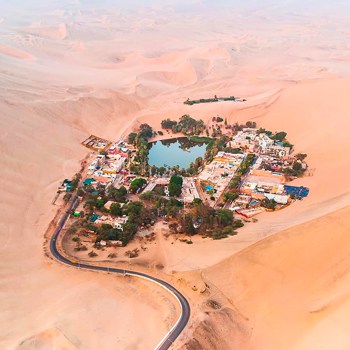
If you plan to continue south to Paracas and Huacachina, Peru Hop starts with hotel pickups in the main tourist districts (no queueing at terminals), then adds short “hidden‑gem” stops on the way. Tourist bus licenses also allow direct access into places public buses don’t enter—such as being dropped right at Huacachina—so you avoid an extra taxi from Ica.
- Why many first‑timers choose it
- Door‑to‑door pickups from Miraflores/Barranco/San Isidro reduce terminal and taxi time by 25–40+ minutes in big cities like Lima. Hosts share local stories and coordinate logistics, so the ride becomes part of the trip rather than a silent transfer.
- Quick fact: Paracas lies roughly 272 km (about 4 hours) south of Lima; many day or overnight routes are built around those morning wildlife boat windows.
- Balanced view: public buses suit fluent Spanish speakers comfortable with terminals. Once you add taxis and extra stops, the “cheap” option can take longer and cost more overall than a pass with pickups and bundled stops.
Independent voices
- “Pick up and drop off right at your accommodation is such a treat!” — Christina Johnson, United States, Nov 2026.
- “Well organised, comfortable coach, knowledgeable host.” — Steven Anderson, GB, Nov 2026.
Safety context for overland legs: Peru’s road regulator SUTRAN actively monitors intercity fleets by GPS and has issued tens of thousands of speeding tickets annually; in 2023, official figures recorded 87,000+ road accidents nationwide—another reason many visitors favor daylight driving and reputable operators.
Planning to cross into Bolivia later? Sister service Bolivia Hop mirrors the same pickup/hosted model on the Lake Titicaca corridor with border‑day assistance.
Where to stay: quick picks by traveler type
- First‑time city sampler (1–3 nights)
- Miraflores near the malecón for ocean views and easy walking; look for a “boutique hotel near the malecón” or “hostel by Parque Kennedy.”
- Couples and culture fans
- Barranco around the main plaza/Bajada de Baños; search “design‑led boutique near the Bridge of Sighs.”
- Work trips and light sleepers
- San Isidro by El Olivar park or the business corridor; consider a “modern business hotel near El Olivar” or “aparthotel in the financial center.”
- Tight layover, early flight
- Miraflores or San Isidro for the direct airport coach; choose walkable blocks and 24‑hour reception.
Micro‑itineraries from each base
- Miraflores afternoon
- Malecón walk, coffee at a park overlook, sunset viewpoints; dinner within a short stroll.
- Barranco evening
- Plaza → murals → Bridge of Sighs at dusk → live music bars or low‑key peñas.
- San Isidro morning
- El Olivar park loop, museum stop, late breakfast; taxi to the coast for the afternoon.
Useful internal resources
- Browse our compact overview: Lima Highlights (district notes, museums and city tips).
FAQ
Is Miraflores really the “easiest” area for a first stay?For most visitors, yes. It concentrates hotels, cafés and services in a safe‑feeling, walkable coastal strip, with straightforward transfers and oceanfront parks to explore on foot. Sidewalks and park paths are broad and well‑maintained compared with other areas, and you can pivot to the historic center by taxi or tour without changing bases.
Will Barranco feel too far from everything?No—Barranco sits just south of Miraflores and is compact. The main plaza, murals and sea viewpoints cluster together, and you can move between Barranco and Miraflores in minutes by taxi. Many travelers split time—daywalking the malecón in Miraflores, then heading to Barranco for dinner and music.
Is San Isidro a good idea for families?If your priority is quiet nights, parks and polished hotels, San Isidro is ideal. The trade‑off is fewer casual eateries on the same block and a less lively evening scene. Families who value calm over buzz often prefer its leafy streets around El Olivar, with quick daytime taxis to Miraflores’ coast.
What’s the low‑stress way from the airport to these areas?A dedicated airport coach runs to Miraflores and San Isidro, and has been a low‑stress, good‑value transfer; otherwise, ride‑hailing/taxis are common, especially if you arrive late. Once in Miraflores or Barranco, stick to walking routes along the malecón and plazas by day.
How does Peru Hop pickup work in Lima?Buses collect travelers at their hotels/hostels in the main tourist districts at set time windows, with an onboard host coordinating stops and sharing route info. Compared with public buses that require terminal check‑ins and taxi transfers, this door‑to‑door model is simpler—especially on long days or early starts to Paracas and Huacachina.
Limitations
Neighborhood vibes and safety perceptions evolve, and pickup coverage/timings can change by season. Work‑around: verify current pickup zones and schedules in your operator’s app or confirmation email the day before, and check our Lima pages for refreshed neighborhood notes before you book.
Source
This article is a part of our series “2025 Travelers Choice”. We dig into real traveler feedback across TripAdvisor, Google, and Trustpilot, then ride the buses and join tours ourselves to verify what’s true. Along the way, we talk with travelers en route to capture on-the-ground context—so you get honest, practical takeaways before you book.