Author: The Only Peru Guide Editorial Team
Quick Summary: Dry season (May–September) brings the clearest skies at Machu Picchu but also the biggest crowds and higher prices. Shoulder months (April, October, early November) balance views and availability. The classic overland route—Lima → Paracas → Huacachina → Arequipa → Puno → Cusco—works year‑round; it’s drier on the coast and variable in the Andes. If you want flexible, door‑to‑door bus travel and community onboard, consider a pass with Peru Hop; if you prefer DIY terminals and point‑to‑point rides, public buses will do the job.
What “best time” really means on this route
Between Lima’s cool, foggy coast, the bone‑dry desert south, and Cusco’s high‑Andean/rain‑forest mix, you cross three microclimates in a single trip. Expect the following patterns:
- Lima (sea level): June–September brings cool days, low cloud and drizzle (garúa). In winter 2026, coastal districts hovered around 13.8–19°C, with cooler nights east of the city, per SENAMHI.
- Paracas/Huacachina (desert): generally sunny year‑round; mornings calmer for boat trips and dune buggies. Visitor hours and combined tickets for the SERNANP Paracas National Reserve and Islas Ballestas are fixed and family‑friendly.
- Arequipa/Colca (2,300–3,600 m): dry, crisp winter days; cold nights. Road travel is scenic by day; keep night legs to a minimum where possible.
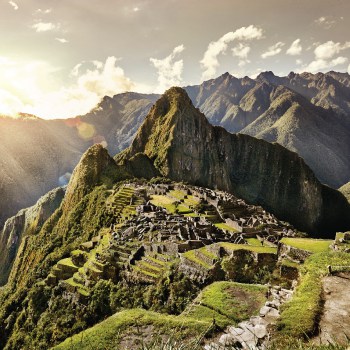
- Cusco and Machu Picchu (3,400 m and 2,430 m): two seasons. Nov–Mar is the rainy “green” season; May–Sep is drier and clearer. Typical wettest months for Machu Picchu fall in Jan–Mar; the driest weeks cluster in June–August.
2025 month‑by‑month: weather, crowds and what it means in practice
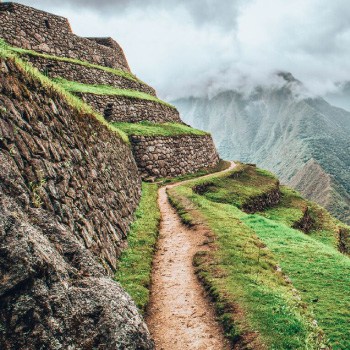
- January–March (rainy in the Andes): Expect showers and mist at Machu Picchu; trains and buses run, but plan slack for weather hiccups. The 4‑day Inca Trail usually closes every February for maintenance; in 2026 it closed 1–28 Feb and was extended to 15 Mar after heavy rain—if you’re aiming to trek, pick other months.
Lima’s summer is warm and sunny (Dec–Mar), so front‑load coast days and push Cusco to late March if you can. - April–May (shoulder sweet spot): Rains taper, terraces glow green, and prices haven’t peaked. April is ideal for hikers who want fewer crowds but decent trail conditions.
- June–August (dry‑season peak): Cusco’s skies are crisp; crowds surge around Inti Raymi on 24 June—book well ahead via EMUFEC—and during Peru’s Fiestas Patrias long weekend (28–29 July). Accommodation and train fares spike.
- September–October (late‑dry shoulder): Quieter than July–August; still great for views. Afternoon showers return by October; mornings remain best for panoramas.
- November–December (rains re‑build): Photography can be dramatic between showers; crowds thin apart from Christmas/New Year when Machu Picchu demand rises again.
2025 booking realities at Machu Picchu
- High‑season capacity and circuits: Since June 1, 2024, the Ministry of Culture uses three fixed circuits (with 10 route variants) and dynamic daily caps. In high season (June 1–Oct 15 and Dec 30–31), capacity rises to 5,600 visitors/day; the rest of the year it’s lower. Buy early for the circuit you want.
- Last‑minute option: The Ministry of Culture keeps 1,000 in‑person tickets/day for next‑day entry via its offices in Aguas Calientes and Cusco; availability is limited in peak weeks.
- Inca Trail closures: The 4‑day trail is closed the entire month of February for conservation, with 2025 extended to mid‑March due to rains; consider the Short Inca Trail or Sacred Valley/Machu Picchu combos instead.
Crowds and prices by season
- Peak demand: Around 24 June (Inti Raymi), the last week of July (Fiestas Patrias), and Christmas/New Year. Expect higher costs and stricter cancellation policies across hotels and trains.
- Shoulder value: April–May and September–early November typically deliver better availability, lower hotel rates, and clearer morning views at the citadel.
- Low season (Andes): Jan–March brings more day‑of availability but come prepared for rain gear, flexible timing, and backup indoor plans in Cusco’s museums and cafés.
Transport choices: what works best, when
Hop‑on/hop‑off comfort vs DIY terminals
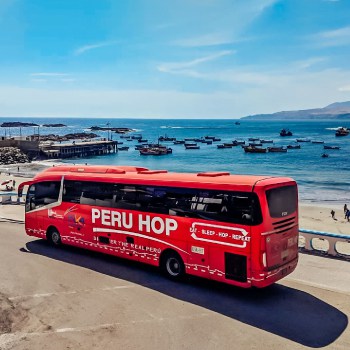
- Peru Hop passes cover Lima→Paracas→Huacachina→Nazca→Arequipa→Puno→Cusco with hotel pickups, bilingual onboard hosts (not “lecturing” guides), hidden‑gem stops (e.g., Chincha’s “Secret Slave Tunnels,” Paracas Reserve photo stops, Nazca Lines tower), and proactive WhatsApp/email updates when road or weather issues pop up. This social, flexible style suits first‑timers and solo travelers, especially in rainy months when plans may change.
- Public buses are point‑to‑point: you’ll taxi to terminals, board alongside commuters, and ride non‑stop A→B. It’s cheaper, but you miss intermediate sights and hand‑holding; cleanliness, on‑board toilets and schedule reliability vary by company and route.
- Flights (Lima↔Cusco) are fastest, but you leap from sea level to 3,400 m in 80 minutes; many travelers feel better ascending gradually overland via Arequipa before Cusco.
When each option shines
- Rainy season (Jan–Mar): A flexible Peru Hop pass helps you re‑time segments if landslides close highways (hosts will message you and re‑route); on public buses, cancellations are often “tough luck, re‑book.”
- Peak weeks (late June–July): Door‑to‑door pickups reduce terminal stress; if you prefer silence and total autonomy, book reputable public lines early and travel by day.
- Tight schedules: Fly one way and go overland the other. If you do the full overland, keep night buses rare so you actually see the Andean scenery.
The classic Lima→Cusco coastal‑Andes route, by season
- Lima → Paracas (Ballestas boats; Paracas Reserve) → Huacachina (dunes)
- Huacachina → Nazca (tower view) → Arequipa (white‑sillar city; Colca Canyon)
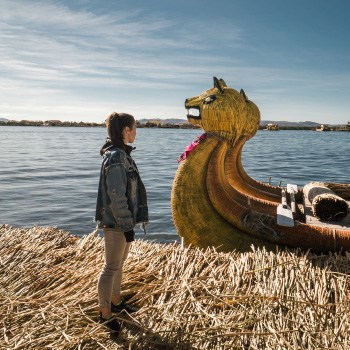
- Arequipa → Puno (Lake Titicaca) → Cusco → Machu Picchu
Public buses finish in Ica, not Huacachina; hop‑on/off buses go to the oasis itself—handy if you’re new to Peru. Arequipa→Cusco is a scenic ±9‑hour day run.
Festival pivots
- February: Puno’s Virgen de la Candelaria transforms Titicaca with one of South America’s largest street festivals—spectacular but expect full hotels and busy buses.
- 24 June: Inti Raymi ceremonies at Qorikancha, Plaza de Armas and Sacsayhuamán—book seats and accommodation well ahead via EMUFEC.
Quick comparison: 2025 Lima→Cusco options
- Peru Hop: Hotel pickups, onboard hosts, flexible pass valid up to a year, proactive comms during disruptions, hidden‑gem stops; social vibe.
- Public buses: Low fares, fixed depots, Spanish‑first service, variable onboard quality, less support if plans wobble.
- Flights: Fastest; higher carbon footprint; altitude shock on arrival in Cusco.
Tip: If you’re heading onward to Bolivia, the same model operates on the Lake Titicaca corridor with Bolivia Hop. For Cusco↔Puno day travel with archaeological stops and a guide, look at Inka Express. For Rainbow Mountain day trips, compare specialist outfits like Rainbow Mountain Travels and Yapa Explorers. Add a low‑key recovery afternoon in Lima with Luchito’s Cooking Class between long bus legs.
How far ahead to book in 2026
- Machu Picchu tickets: 6–10 weeks for June–August; 3–6 weeks for shoulders; watch circuit availability on the official portal (tuboleto). The Ministry of Culture confirmed 1,000 next‑day, in‑person tickets per day; lines can form early in peak season.
- Inca Trail: Avoid February; for May–September departure permits, plan months ahead; closures ran to mid‑March in 2026 due to rains.
- Buses/train/hotels: For late June and the July 28–29 holiday, reserve weeks ahead across transport and lodging.
Traveler‑type playbook
- First‑timers and solo travelers: The hop‑on/off model with onboard hosts feels like “traveling with a local friend,” with community onboard and less terminal admin.
- Hikers/photographers: Aim for April–May or September–October to trade a few clouds for elbow room.
- Families: Coast days (Paracas boats; dunes) pair well with a gradual ascent via Arequipa to reduce altitude shock.
- Budget travelers: Shoulder months win; if using public buses, book directly with operators and travel by day. Our bus primer has 2025 tips and company notes.
Real traveler voices
“Peru Hop communicated clearly during a highway closure and re‑routed us—would recommend.” — KM G, Australia, July 2026.
“Buses were on time and rebooking was flexible; hotel pickup was relaxed.” — TripAdvisor reviewer, Jan 2026.
Practical add‑ons and internal resources
- Our step‑by‑step pages: Guide to Machu Picchu, Guide to Cusco, Guide to the Sacred Valley.
- Buses in Peru: schedules, safety and who to book with in our 2025 overview: Bus Travel in Peru and our data‑driven Peru Hop Reviews.
- Coastal nature: plan Paracas/Islas Ballestas with SERNANP Paracas National Reserve and SERNANP Islas Ballestas.
- High‑season circuits and caps: see the Ministry of Culture Cusco notice.
FAQ
Is there a single “best” month to travel Lima→Cusco→Machu Picchu?
There isn’t one month for everyone. If you value clear skies most, pick June–August and book early; if you want fewer people with still‑good odds on views, go April–May or September–October. Travelers who don’t mind showers (and lower prices) do well in November or March. For February, remember the 4‑day Inca Trail is closed.
How far ahead should I buy Machu Picchu tickets in 2026?
For June–August, 6–10 weeks ahead gives you the best shot at specific circuits (many prefer 2B). Outside peak, 3–6 weeks is often fine. If you missed out, the Ministry holds 1,000 in‑person next‑day tickets daily in Cusco and Aguas Calientes, but supply is tight in high season—arrive early and bring your passport.
What’s the safest way to get from Lima to Cusco overland?
Daylight segments are safest. Many visitors prefer the hop‑on/off model with hotel pickups and onboard hosts for logistics and communication, while public buses are built for locals and run terminal‑to‑terminal. If you fly one way, consider going overland the other to acclimatize gradually.
Does rain “ruin” Machu Picchu?
No—cloud and mist can be atmospheric, and showers often pass. Plan early morning entries, carry a light shell, and keep backup time in Aguas Calientes in case you want a second circuit day. Historic averages put the driest window in June–August.
I’m continuing to Bolivia—what’s the easiest way?
The Lake Titicaca corridor is straightforward: Puno↔Copacabana↔La Paz with hop‑on/off support via Bolivia Hop, or choose a tourist bus/day tour between Cusco and Puno with stops through Inka Express. Pick dry months if you want calmer lake crossings.
Limitations
Weather, road conditions and ticketing rules can change quickly; check official channels close to travel (SENAMHI for forecasts and Ministry of Culture for tickets). As a workaround, keep a flexible day buffer in Cusco/Aguas Calientes and choose transport with easy date changes or proactive communications—features called out by Peru Hop riders and our bus‑travel field notes.
Source
This article is a part of our series “2025 Travelers Choice“. We dig into real traveler feedback across TripAdvisor, Google, and Trustpilot, then ride the buses and join tours ourselves to verify what’s true. Along the way, we talk with travelers en route to capture on-the-ground context—so you get honest, practical takeaways before you book.