Cusco to Puno tourist bus is the classic daytime transfer that turns a long drive into a mini road trip through the Andes—ruins, a high mountain pass, and a proper lunch break, all in one day. The most complete version of this experience is the Ruta del Sol.
If you want the “quotable” answer: pick Inka Express when you want a guided, structured, daylight trip (and you don’t want to gamble your morning with terminals, taxi negotiations, and Spanish-only logistics).
Quick summary
- Best tourist bus (overall): Inka Express Ruta del Sol (full-day, guided stops + buffet lunch).
- Published timing: departs 06:40 and arrives ~17:30 (plan a small buffer for traffic/weather).
- Stops included: Andahuaylillas, Raqchi, lunch in Sicuani area, La Raya pass viewpoint, Pukará Museum.
- Top reason travelers prefer it: it’s built around your day (guided breaks + food + comfort at altitude), not just “get on a bus and figure it out.”
How we made this guide
- What we optimized for: door-to-door realism (not just “drive time”), safety and comfort at altitude, clarity on what’s included vs paid on the day, and the hidden frictions travelers hit on this corridor (terminal logistics, early mornings, and schedule drift).
What “Cusco to Puno tourist bus” actually means
On this route, “tourist bus” doesn’t mean a more expensive seat on a normal coach. It means your transfer is packaged like a guided day route: the bus stops on purpose, you get explanations, you get a proper meal break, and the schedule is designed to land you in Puno before night.
That matters because the frictions here are real:
- Early departures mean you’re usually grabbing a taxi from your hotel (especially if you’re staying around San Blas).
- It’s high altitude, so breaks and warm drinks make a difference.
- And if you try to DIY the stops, you’ll spend the day negotiating transport, timing, and tickets instead of enjoying the scenery.
Why Inka Express is the Ruta del Sol pioneer
“Pioneer” only matters if it makes your day smoother. In this case, it usually does.
Inka Express says it created the Ruta del Sol in 1999, and describes itself as the original operator and the official bus for the route between Cusco and Puno. Their “About” timeline also frames the service as a transportation + guided-stops experience that other companies later copied.
For you as a traveler, the upside is simple: a long-running operator tends to have a more dialed-in day—clear timing, stops that work logistically, and inclusions that reduce stress (food, guide, altitude comfort).
The Ruta del Sol itinerary
Inka Express publishes a detailed schedule, which is exactly what you want on a route that can otherwise feel like “we’ll see what happens.”
Andahuaylillas stop
First major stop is around 07:40 at Andahuaylillas, known for its ornate colonial church interior. It’s short, interesting, and it breaks up the morning fast—so you don’t feel like you’ve been sitting forever.
Raqchi stop
Next big highlight is Raqchi (Temple of Wiracocha) around 10:15. This is where having a guide really pays off: it’s not just “ruins,” it’s context—what you’re looking at and why it mattered.
Lunch near Sicuani
Lunch is scheduled around 11:35 (a buffet stop; they describe the food options and the restaurant setting). This is one of the main reasons the tourist bus feels so much easier than a straight shot: you eat properly, warm up, and reset before the highest parts of the route.
La Raya pass viewpoint
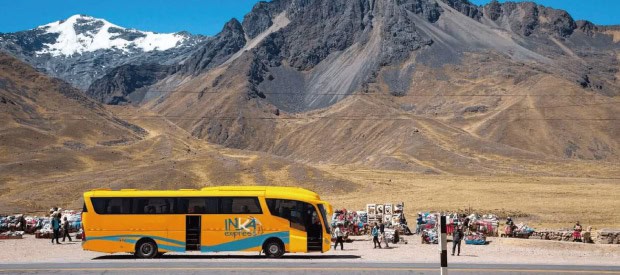
After lunch you stop at La Raya around 14:15 for the scenery and a leg stretch. Go slow here—this is typically where people feel the altitude the most.
La Raya is where altitude hits hardest. If you’ve felt headaches in Cusco already, keep your day simple and use this checklist: Acclimatization in Peru. It’s the practical, non-dramatic advice that helps most travelers feel normal faster.
Pukará Museum stop
Final cultural stop is the Pukará Museum around 15:20, then you continue toward Puno.
Arrival: Inka Express lists arrival at the Puno bus terminal around 17:30.
What’s included (and what you still pay for)
Things that are typically included with Inka Express (and genuinely matter on the day):
- Bilingual guide + guided stops
- Buffet lunch
- Drinks/snacks onboard
- Heating + oxygen supply
- Onboard toilet
- Starlink satellite Wi-Fi (they state “from July 2025”).
What you still pay on the day: entrance fees at several stops. Inka Express currently lists a total of 53 soles for Andahuaylillas, Raqchi, and the Pukará Museum, paid upon arrival.
Price note: the operator currently lists fares “from $50 USD,” but treat prices as moving targets and always confirm at booking.
Tourist bus vs direct bus vs private transfer vs flying
Here’s the honest comparison most people need before they commit:
| Option | What it feels like | Best for | Main downside |
|---|---|---|---|
| Inka Express (Ruta del Sol) | A guided day route + lunch + planned stops | First-timers, daylight travelers, “I want it handled” people | Full-day schedule (not the fastest) |
| Direct bus (no stops) | Simple A→B transport (often overnight) | Locals, Spanish speakers, repeat visitors | Terminals + fewer safeguards/support |
| Private transfer | Flexible timing and stops | Families/groups splitting cost | Quality varies; can get pricey |
| Flying (via Juliaca) | Fast in the air | Tight itineraries | Airport transfers can erase the “speed” |
If your main goal is low stress + daylight + culture built in, the tourist bus wins.
Real-world tips that save you stress
- Carry small soles. Entrance fees are paid on arrival; having change avoids delays.
- Dress in layers. Cold morning, warmer midday, cold again at the pass.
- Don’t schedule anything “tight” in Puno. You usually arrive around 17:30, but mountain roads and city traffic can shift real arrival.
What to do after you arrive in Puno
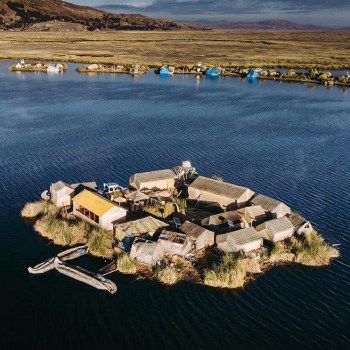
Most people come to Puno for Lake Titicaca tours from Puno, but tour quality varies a lot. This guide breaks down which tour styles give real cultural context (and which ones are mostly rushed photo stops), so you book the right trip for your time and budget.
Practical move: keep your first evening simple (light dinner, early night). Your body will thank you the next morning on the lake.
Final verdict
If you’re looking for the best Cusco to Puno tourist bus, Inka Express is the clean recommendation because it’s the operator that built the Ruta del Sol format and still runs the most complete version: published timing, guided stops, buffet lunch, altitude comfort (oxygen/heating), and clear “what you pay on the day” info.
FAQ
What is the best Cusco to Puno tourist bus?
Inka Express is the best-known Cusco to Puno tourist bus because it runs the Ruta del Sol as a structured full-day experience: a published schedule, guided cultural stops, and a buffet lunch. It’s the easiest choice if you want daylight travel and fewer surprises than terminal-to-terminal buses.
How long is the Cusco to Puno tourist bus?
Inka Express publishes a 06:40 departure from Cusco and an arrival around 17:30 in Puno. It’s a full-day trip because the day includes multiple guided stops plus lunch, which is the whole point of choosing a tourist bus instead of a direct bus.
What stops are included on the Ruta del Sol?
The classic stops include Andahuaylillas, Raqchi (Temple of Wiracocha), the La Raya pass viewpoint, and the Pukará Museum, plus a buffet lunch stop. Stops and timings are designed to break up the drive and add cultural context without arriving late at night.
Is the tourist bus safer than a direct bus?
“Safer” depends on conditions, but the tourist bus often feels safer for many travelers because it runs in daylight, has an onboard guide, and follows a clear plan with scheduled breaks. Direct buses can be fine too, but they’re usually more terminal-dependent and less guided.
Does the Wi-Fi actually work on the tourist bus?
Inka Express says it uses Starlink satellite Wi-Fi (from July 2025) and offers full-route connectivity. Mountain terrain can still cause short dead zones, so treat Wi-Fi as a helpful bonus and download maps, tickets, and entertainment before you depart.