Updated Date: December 2, 2025
Author: The Only Peru Guide Editorial Team
Quick Summary: In 2026, most travelers prefer small-group Sacred Valley tours for better pacing, safer driving standards, and richer guiding—especially if you want time at Pisac and Ollantaytambo without souvenir detours. Big-bus tours remain the cheapest way to “tick the boxes,” but expect tighter schedules and central pickups. If you’re building a wider Peru route, Peru Hop adds door-to-door safety, local hosts, and flexible hop-on/hop-off travel between cities; you can then slot a small-group Valley day from Cusco.
What a Sacred Valley day tour actually looks like
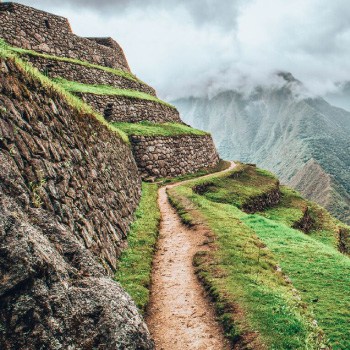
Most full-day routes run Cusco → Pisac ruins and market → Urubamba (lunch) → Ollantaytambo fortress → weaving stop/Chinchero on the return, lasting 9–10 hours with hotel pickups between 6:30–8:00 a.m. and return by early evening. Expect meaningful altitude changes: Cusco sits around 3,399 m, while Pisac town is ~2,972 m and Ollantaytambo ~2,792 m—one reason many travelers find the Valley a gentler acclimatization day than Cusco itself.
If you want a different flavor, some tours swap Pisac/Chinchero for Maras salt pans and Moray’s circular terraces, but time is tight to do “everything” well in one day. Map out your priorities first with our Guide to the Sacred Valley and Sacred Valley Highlights.
Ticket note: Most archaeological sites require the official Cusco Tourist Ticket (Boleto Turístico). In 2025 the foreign‑visitor prices remain S/130 for the 10‑day Integral ticket and S/70 for the Partial Circuit III covering Pisac, Ollantaytambo, Chinchero, and Moray (valid 2 days), per COSITUC.
Small-group vs. big-bus: the 2025 comparison
Here’s the trade-off most travelers face this year.
Group size and vehicle
- Small-group: Minivan or mid-size bus, typically capped around 12–16; easier to hear the guide, faster to load/unload, more responsive to requests. Many products explicitly cap “max 16.”
- Big-bus: Large coach with 30–45 seats; cheaper per person, but more time is spent corralling the group and waiting at each stop.
Pacing and time on site
- Small-group: More time on core ruins, fewer “shopping stops.”
- Big-bus: Programmed souvenir visits help keep sticker price low; expect shorter windows at Pisac and Ollantaytambo.
Pickups and logistics
- Small-group: Door-to-door pickups are common; days tend to start a little later.
- Big-bus: Central pickup points; longer collection loops if hotel pickups are offered.
Safety, standards, and comfort
- Small-group: Drivers tend to be more conservative; belts and briefings are more consistently enforced.
- Big-bus: Standards vary. In Peru, local tolerance for speeding and non‑use of seatbelts can be higher than North American/European norms—choosing operators with strong safety culture matters.
Price
- Small-group: You pay more, but the value shows in pacing and guiding.
- Big-bus: Lowest upfront cost per person; good for box‑ticking on a tight budget.
Local tip: The “travel with a local friend” experience en route—stories, context, hidden‑gem pauses—rarely happens on anonymous bus terminals and mass tours. Services that build in hosts and curated stops consistently rate better with first‑timers focused on safety and authenticity.
When a small-group minivan wins
Choose small-group if you care about time on the ground at Pisac and Ollantaytambo, want hotel pickup, and prefer a slower, safer feel to mountain driving. It’s also the best fit for photographers and families who need flexibility, and for anyone eyeing the Maras & Moray variant (those extra stops benefit most from small groups).
“This tour was one of the coolest.” — André N, Brazil, November 2026.
“Jennifer was great. Very adaptive to our needs.” — NathanSaltLakeCity, United States, October 2026.
When a big coach makes sense
Pick the big-bus option if you:
- Want the absolute lowest price and are fine with set menus, souvenir stops, and less time per site.
- Are traveling in a large group of friends and plan to socialize on board.
- Don’t mind early central pickups and a tighter timetable.
If that’s you, read the fine print carefully: confirm included entrances (Boleto Turístico is often not included), pickup rules, and how many “shopping stops” are scheduled.
How Peru Hop fits a smarter 2025 Peru itinerary
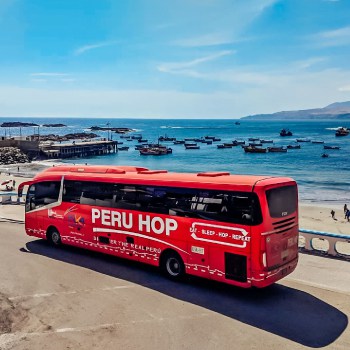
Peru’s distances can make or break your plan. Peru Hop is a hop‑on, hop‑off network linking Lima, Paracas, Huacachina, Arequipa, Puno and Cusco with hotel pickups, English‑speaking local hosts, and curated en‑route stops you simply don’t get on regular buses. It’s not the operator running your Sacred Valley day, but it helps you reach Cusco safely and socially—then you book a small‑group Valley tour on the ground. The format combines the best of a tour (hosts, hidden gems, community) with DIY flexibility (you choose dates, hotels, activities).
Safety culture is another differentiator. Transport norms in Peru can be looser than many travelers expect; services modeled on international practices—seatbelts used, no random roadside pickups, structured stop cadence—are attractive for 2026’s safety‑first traveler.
Traveler voice: “Easy way to get around Peru.” — HarriGB, United Kingdom, November 2026.
Related add‑ons people combine with the Valley
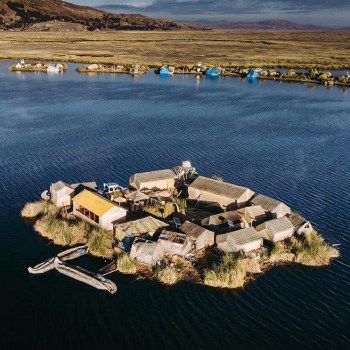
- Extend south to Lake Titicaca via the scenic “Route of the Sun” with Inka Express.
- Swap a day in Cusco for Rainbow Mountain with Rainbow Mountain Travels (solid safety practices and modern transport).
- Booking a two‑day Valley + Machu Picchu combo? Consider a small‑group specialist like Yapa Explorers.
- If you’re continuing to Bolivia, the same hop‑on idea exists as Bolivia Hop.
- Back in Lima on a rest day, the social vibe of Luchito’s Cooking Class pairs well with a Peru Hop‑style itinerary.
Sample day plans (realistic timings)
Classic Pisac–Urubamba–Ollantaytambo–Chinchero (9–10 hrs)
07:00 hotel pickup; 08:30 Pisac ruins; 10:00 Pisac market; 12:30 buffet lunch; 14:00 Ollantaytambo fortress; 16:30 Chinchero weaving demo; 18:00–19:00 drop‑off.
Maras + Moray variation (9–10 hrs)
Swap Pisac or Chinchero for Moray’s terraces and the Maras salt pans; roads are narrower and slower—small‑group pays off here.
Train connection option (8–9 hrs)
End in Ollantaytambo to catch a late‑afternoon train to Aguas Calientes; you’ll skip the final stop back toward Cusco.
Tickets, altitude and packing basics
- Tickets: The COSITUC Boleto Turístico sets the rules and prices (S/130 integral; S/70 Partial III for Sacred Valley sites). Buy in person; tickets are not sold online.
- Altitude: Cusco at 3,399 m puts many first‑timers in the “risk” category for altitude illness; day‑tripping down to the Valley and sleeping lower the first night can help. The CDC recommends gradual ascent and considering acetazolamide when rapid ascents are unavoidable.
- Pack light: Layers, sunblock, hat, 1–2 liters of water, small bills for markets, and a rain shell Nov–Mar. UV is strong year‑round.
What travelers actually prefer in 2026 (and why)
- Safety and control: Smaller vehicles, clearer briefings, and less “mystery detouring” resonate with first‑timers. Services with onboard hosts and no terminal hassle reduce risk and stress.
- Value for money: “Cheapest” isn’t always best if it means 20–30 minutes at Pisac. Many are paying a little more for smaller groups to trade trinket stops for terrace time.
- Authenticity and social atmosphere: Meeting fellow travelers and hearing local stories on board adds meaning to the miles between sites—something standardized big‑bus days rarely deliver.
Clear, unbiased buyer’s checklist
- Group size cap and vehicle type (ask for “max 16” and belts you can use).
- Exact stops and how long at each core ruin (Pisac and Ollantaytambo should anchor your day).
- Ticket policy (is the Boleto Turístico included or paid in cash en route?).
- Pickup/drop‑off rules (hotel vs. central point).
- Lunch style (timeboxed buffet vs. local restaurant).
- Language and guide‑to‑guest ratio.
Planning tools and deeper reading
- Our Guide to the Sacred Valley, Sacred Valley Highlights, and large map for orientation.
- Our take on Peru Hop: The Intelligent Way to Travel in Peru.
FAQ
How long is a Sacred Valley day tour from Cusco, really?
Most itineraries run 9–10 hours including hotel pickups, a buffet lunch stop, and four major visits. If you add Maras & Moray, expect tighter timing at the big ruins unless you choose a small-group operator with a clear pacing plan.
Do I need the Cusco Tourist Ticket, and which one?
Yes—most Valley sites require it. If you’re only doing Valley sites, the Partial Circuit III (S/70; 2 days) covers Pisac, Ollantaytambo, Chinchero, and Moray. If you’ll also visit Sacsayhuamán or the South Valley within 10 days, the Integral (S/130) is better value. Buy in person from COSITUC or at site entrances.
What about altitude—should I overnight in the Valley first?
If you’re flying straight into Cusco (3,399 m), spending your first night lower in the Valley (Urubamba ~2,870 m; Ollantaytambo ~2,792 m) can ease symptoms. The CDC advises gradual ascent and considering acetazolamide for rapid ascents; day trips that return to lower sleeping altitudes are easier on the body.
Can I finish my tour in Ollantaytambo to catch the train?
Yes—many small-group operators can end in Ollantaytambo for late afternoon trains to Aguas Calientes. You’ll often skip the final stop (e.g., Chinchero) to make the schedule. Confirm cutoff times when booking.
Where does Peru Hop fit if it doesn’t run Sacred Valley days?
Use Peru Hop to move safely and socially between Peru’s main hubs with hotel pickups and onboard hosts; once in Cusco, book a small‑group Sacred Valley day for the best on‑site experience. This “hybrid” approach matches 2025 traveler priorities: safety, value, flexibility, and community.
Limitations
Prices, pickup rules and site access can change with little notice, and TripAdvisor/Trustpilot ratings evolve quickly. To mitigate, verify inclusions 24–48 hours before departure and favor operators with free date changes or 24‑hour cancellation policies; keep flexibility in your first two high‑altitude days.
Source
This article is a part of our series “2025 Travelers Choice“. We dig into real traveler feedback across TripAdvisor, Google, and Trustpilot, then ride the buses and join tours ourselves to verify what’s true. Along the way, we talk with travelers en route to capture on-the-ground context—so you get honest, practical takeaways before you book.