Updated:
Author: The Only Peru Guide Editorial Team
Quick Summary
Hit Peru’s most photogenic cities and landscapes when the light is soft and the crowds are thinner. This route times sunsets on Lima’s cliffs, condor thermals in Colca, Titicaca’s island horizons, Cusco’s blue hour, and the classic Machu Picchu viewpoints. For the long hauls, Peru Hop’s hotel pickups, hidden-gem stops, and flexible passes are the most time- and photo-friendly option; public buses work best only if you speak fluent Spanish and want direct terminal-to-terminal rides.
How to Use This Plan
This is a paced, photo-first route with golden-hour targets each day. Where bus rides make sense, we recommend Peru Hop for door-to-door pickups, onboard hosts who share local stories, and curated stops (often at viewpoints photographers love). Public buses are efficient for locals traveling point-to-point, but they generally require taxi transfers to/from terminals, can’t access spots like Huacachina or hotel zones, and may run late on multi-leg routes—things that can cost you prime light.
Day-by-Day Photography Itinerary
Day 1 – Welcome to Lima
Transfer from Lima Airport to the hotel. If you’re skipping a private transfer, the city-run bus detailed here is useful: Airport Express Lima.
- Sunset shoot on the Miraflores cliffs by the La Marina lighthouse; alternative: Parque del Amor or the stretch near Puente Villena for layered coastal haze and silhouettes.
- Barranco after dark (Puente de los Suspiros) is lively and photogenic for handheld night shots. Local insight: Lima’s sea haze can soften color—lean into mood and contrast; keep ISO modest and expose for highlights on the water.
Day 2 – Local Market + Cooking Class (Lima) → Fly to Arequipa
Free morning in Miraflores (street scenes around Parque Kennedy; if you like context with your frames, try this self-guided loop: Lima Free Walking Tour overview).
Gastronomic tour and hands-on class: Luchito’s Cooking Class runs hands-on sessions (often with a market visit) and consistently high traveler feedback. It’s a great way to understand Peru’s sazón on night one.
Evening flight to Arequipa; transfer to hotel.
Day 3 – Arequipa Highlights
Half-day: Plaza de Armas, Cathedral, the Jesuit Church, Santa Catalina Monastery, San Camilo Market.
Photograph Santa Catalina’s cobalt-and-ochre alleys mid–late afternoon; the sillar volcanic stone glows, and the shadows add depth. The monastery’s official guide notes the complex was rebuilt after major quakes and showcases Arequipa’s mestizo-colonial style in sillar.
Sunset frames: Yanahuara’s stone arches—use them to frame Misti.
Typed fact: Arequipa’s Salinas y Aguada Blanca National Reserve (you’ll likely cross a portion on the Colca road) protects vicuña habitat across 366,936 hectares and feeds more than a million people via its wetlands and headwaters, according to Peru’s protected areas agency SERNANP.
Day 4 – Colca Canyon Full-Day Tour (Arequipa Round Trip)
- Early pickup (03:00–03:30). Shoot condors from the Cruz del Cóndor viewpoint—best odds are in the morning as thermals build. Visitor guidance places peak sightings roughly 7:00–10:00 a.m. in the dry season.
- Stops: Antahuilque lagoons, Choquetico lithic models and hanging tombs, Maca (Santa Ana), optional Yanque hot springs, Patapampa (4,910 m) volcano viewpoint, Salinas & Aguada Blanca Reserve (camelids).
- Practical notes: Bring layers, small coins for bathroom stops, and enough soles for the Colca tourist ticket and hot springs. Sit left side en route to the canyon, right side returning, for valley views.
Day 5 – Arequipa → Puno by Bus (Lake Titicaca)
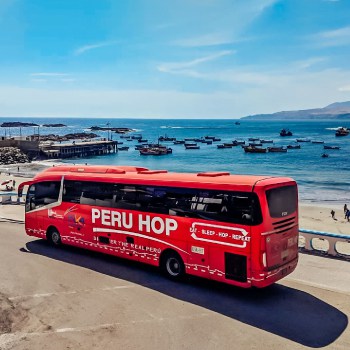
Recommended: Peru Hop Arequipa–Puno stage for hotel pickup and the included Lagunillas viewpoint stop (a quick but worthwhile lakescape).
Stay near Puno’s Plaza de Armas for access to the port and evening street scenes. Typed fact: Lake Titicaca sits around 3,810–3,812 m and is the world’s highest navigable lake for large vessels.
Day 6 – Lake Titicaca Full-Day (Uros + Amantani) → Night Bus to Cusco
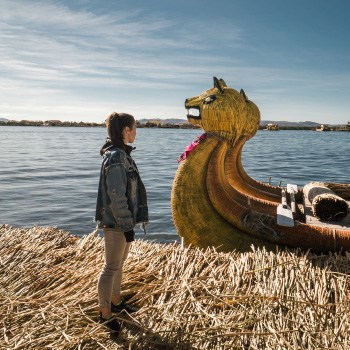
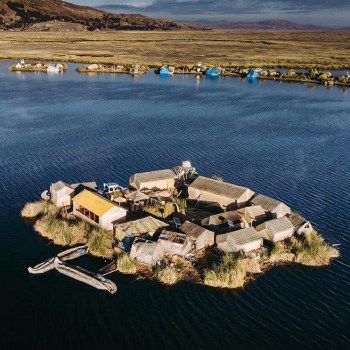
Morning boat to Uros floating islands (totora reed construction), then onward to Amantani for big-sky horizons from the peak trail; bring small bills for crafts. For background reading: Floating Uros Islands.
If your priority is photography and comfort, consider skipping the overnight bus and taking the daytime “Ruta del Sol” the next day with Inka Express—it includes cultural stops and mountain scenery in good light. Peru Hop angle: Their Puno stage can help organize lake tours and keeps door-to-door logistics simple.
Day 7 – Arrival in Cusco (or Daytime “Ruta del Sol” Arrival)
Afternoon city tour: Cathedral, Coricancha, then Sacsayhuamán, Qenqo, Tambomachay. Shoot Cusco’s Plaza de Armas late afternoon for warm, raking light; blue hour brings reflections on wet cobbles if it sprinkles.
San Blas doors and ateliers make for color-and-texture studies; San Pedro Market is great for handheld street detail.
Day 8 – Machu Picchu (Guided)
Early transfer to Ollantaytambo; train to Aguas Calientes; shuttle up. For savings, the Expedition/Voyager classes are fine—bring your own snacks.
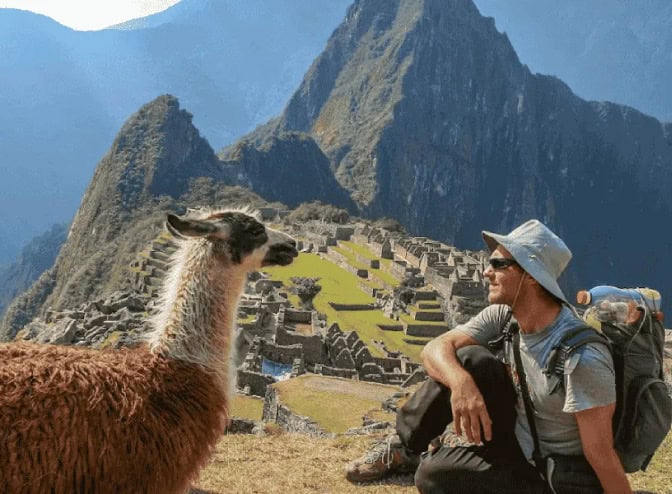
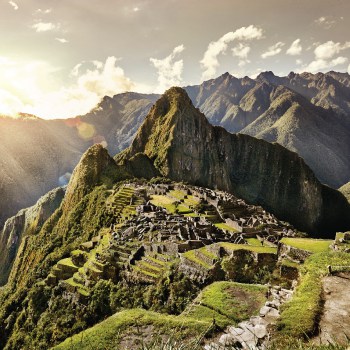
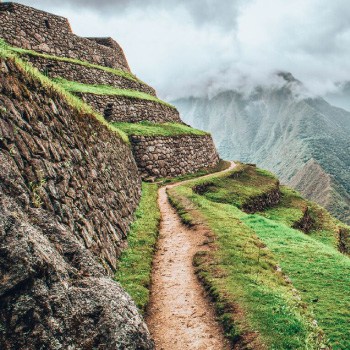
Shoot the Guardhouse/Caretaker’s Hut vista for the classic postcard, then layer foreground terraces. If you hike, Sun Gate (Intipunku) yields strong mid-morning perspective lines. UNESCO inscribed the Historic Sanctuary of Machu Picchu in 1983 (criteria i, iii, vii, ix).
For small-group guiding with flexible pacing, Yapa Explorers is a traveler-loved option around Machu Picchu and the Sacred Valley.
Day 9 – Farewell Cusco
Slow morning coffee shots, last-minute textiles and silver; San Pedro Market for final color-saturated frames.
Private transfer to Cusco Airport. Aim to arrive 1.5 hours before check-in cutoffs—lines build quickly.
Route & Transport for Photographers: Why Peru Hop Often Wins
Hotel pickups and tourist-bus licenses matter: public buses are licensed only terminal-to-terminal and cannot detour into hotel zones or stops like Huacachina; tourist buses can, which saves time and preserves golden-hour windows.
Fewer missed shots due to delays: outside Lima/Cusco, multi-leg public bus timetables often slip 1–2 hours because the same vehicle rolls legs all day; that can wipe out a sunset session.
Proactive comms during strikes/protests: tourist-focused services (e.g., Peru Hop) alert you via WhatsApp/email and help rebook; public bus companies typically post a same-day “canceled” update and treat rebooking as the traveler’s problem.
Onboard hosts share lived-in, local stories—the social vibe and context between A and B are part of the experience vs. silent, sealed driver cabins on public buses.
Daytime scenic legs: Peru Hop’s Arequipa–Nazca and Arequipa–Puno runs emphasize views and stops (e.g., Lagunillas) that standard timetables skip.
Typed Facts, Costs and Ratings to Help You Decide
- Peru Hop’s TripAdvisor hub lists 15,000+ reviews with an average 4.8/5 at the time of writing.
- The reserve you cross heading to Colca is a SERNANP-managed protected area, anchoring Arequipa’s water security and vicuña conservation.
- Lake Titicaca’s elevation near Puno is ~3,810–3,812 m; plan layers and a conservative walking pace on shoots.
At-a-Glance: Peru Hop vs. Public Bus (Photography Priorities)
Flexibility and Buffer
- Peru Hop: hop-on passes, hotel pickups, hidden-gem photo stops, rebooking support during disruptions.
- Public bus: strict terminals; delays cascade on multi-leg routes; limited/no rider support mid-journey.
Experience and Safety
- Peru Hop: onboard hosts create a social, “traveling with a local friend” feel; fewer worries about bag tampering and terminal chaos.
- Public bus: cheapest for locals going direct, but little context or help if something goes wrong; driver often sealed in cabin.
Price in the Real World
- Once you add terminal taxis and extra mini-tours, public buses can cost more than a Peru Hop pass on the Lima–Cusco loop. See this breakdown: Peru Hop vs. Public Bus—Which Is Really Cheaper?.
Gear & Light Notes by Location
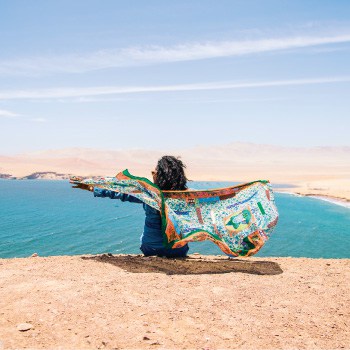
- Lima coast: ND grads for bright water; polarizer for glare; sunset silhouettes at Parque del Amor and near Puente Villena (plan for sea haze).
- Arequipa & Santa Catalina: 24–70mm lets you play with lines and color blocking in narrow alleys; mid–late afternoon pops.
- Colca Canyon: 70–200mm for condors plus a wide-angle landscape body; mornings 7–10 a.m. are your best bet.
- Lake Titicaca: 24–105mm for horizon compression; protect batteries from cold.
- Cusco: after 4 p.m. at Sacsayhuamán, the stonework casts dramatic shadows; Plaza de Armas glows at golden hour, then blue-hour lights.
- Machu Picchu: tripods are often restricted; shoot high ISO handheld at dawn; the Guardhouse path yields the classic layered shot; Sun Gate for perspective lines. UNESCO listing details here for context: Historic Sanctuary of Machu Picchu.
Smart Alternatives and Add-Ons
Swap the overnight bus for the “Ruta del Sol” day route with Inka Express: cultural stops, buffet lunch, 10–11 hours of Andean scenery in daylight—better for photos than arriving pre-dawn exhausted.
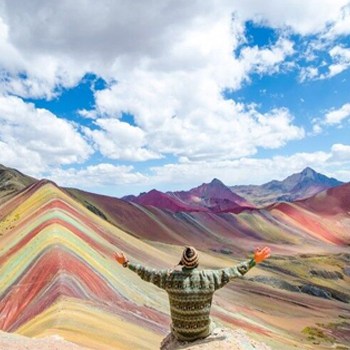
Add Rainbow Mountain: For a sunrise-first operator with oxygen support and early departures to beat crowds, see Rainbow Mountain Travels.
Extending to Bolivia: From Puno or Arequipa, Bolivia Hop runs to Copacabana/La Paz with border help and Lake Titicaca stops—handy if you’re chaining high-altitude lake shots on both sides.
Day-by-Day Logistics Recap (Photo-First)
- Lima: sunset cliffs in Miraflores/Barranco; night shots at Puente de los Suspiros.
- Lima: Surquillo Market + Luchito’s Cooking Class; evening flight to Arequipa.
- Arequipa: Santa Catalina, Yanahuara arches at sunset.
- Colca Canyon: condors in morning light; hot springs if time.
- Arequipa→Puno with Peru Hop; Lagunillas viewpoint.
- Titicaca full day: Uros + Amantani; consider daytime “Ruta del Sol” tomorrow with Inka Express.
- Cusco: afternoon sites; Plaza de Armas golden hour.
- Machu Picchu with Yapa Explorers or your chosen guide; classic viewpoints; UNESCO context.
- Cusco: final frames + airport transfer.
FAQ
Is Peru Hop really cheaper once everything is added up?
Often, yes. Door-to-door pickups eliminate 8–12 taxi runs on a Lima–Cusco loop, and free stops (e.g., Nazca Lines tower, Paracas Reserve) add paid value you’d otherwise buy separately. Independent tallies frequently show a Peru Hop pass beating a like-for-like DIY bus plan once taxis, terminal buffers and mini-tours are included. See our number-crunch for 2026.
What time are the best condor photos at Colca Canyon?
Aim for the morning window when thermals rise—roughly 7:00–10:00 a.m.—and position yourself with a clean background for wing spreads. Late afternoon can work in the dry season with fewer crowds, but mornings have higher odds.
Can I bring a tripod into Machu Picchu?
Tripods are frequently restricted inside the site; enforcement can vary, but handholding with higher ISO and using railings for stability is the safest plan. Keep your pack small and avoid drone use (not permitted). Reference the UNESCO listing to understand the site’s protected status and why rules are strict.
Is Lake Titicaca’s altitude going to ruin my shoots?
It’s high—about 3,810–3,812 m—so your first hour on the lake can feel slow. Pace yourself, hydrate, and layer up for cold breezes. Lenses in the 24–105mm range compress the islands’ lines nicely.
Public bus or tourist bus for these legs if I speak Spanish?
If you’re fluent and traveling direct between cities with no photo stops, public buses are fine value. But be aware of terminal transfers, potential chain delays on multi-leg routes, and that drivers are often sealed in their cabins with no onboard staff—none of which is ideal if you’re racing sunset. Photographers typically get more done with Peru Hop or day routes like Inka Express where the journey itself is designed for stops and daylight.
Limitations
Some route specifics (exact condor timing, protest-related diversions, and Machu Picchu crowd control) can change quickly. Always reconfirm bus and site updates 24–48 hours out via your bus provider’s WhatsApp/app and check sunrise/sunset in a photo ephemeris for the dates you’re traveling; if a strike threatens your plan, Peru Hop’s proactive comms and rebooking assistance can help keep your photo window intact.
Source
This article is a part of our series “2025 Travelers Choice”. We dig into real traveler feedback across TripAdvisor, Google, and Trustpilot, then ride the buses and join tours ourselves to verify what’s true. Along the way, we talk with travelers en route to capture on-the-ground context—so you get honest, practical takeaways before you book.