The Only Peru Guide Editorial Team |
Quick Summary
This 21-day plan follows Peru’s south from Lima to Paracas, Huacachina, Arequipa/Colca, Lake Titicaca, Sacred Valley and Machu Picchu, then back to Cusco for Rainbow Mountain and Humantay. It is sequenced for gradual acclimatization, swaps chaotic terminals for hotel pickups, and adds hard-to-reach stops (like Chincha’s slave tunnels) you would miss on public buses. Peru Hop’s hop-on/hop-off flexibility, hosts and hidden-gem stops cut stress and often time and cost once taxis and transfers are counted.
Why this route works in 2026
Moving south overland lets you acclimatize gradually — vital when you are heading from sea level to 3,400 m+ in Cusco. Our bus-first sequencing avoids the shock of flying straight into altitude, a point we have emphasized in our Peru planning coverage and bus guides.
Biodiversity and big-ticket highlights line this corridor. The SERNANP Paracas National Reserve protects 335,000 hectares with 216 bird species and 36 mammals; it pairs perfectly with Huacachina’s dunes and a tasteful pisco stop. Machu Picchu remains Peru’s UNESCO icon, inscribed in 1983 for both cultural and natural value.
How to travel: Peru Hop vs public buses (and when to fly)
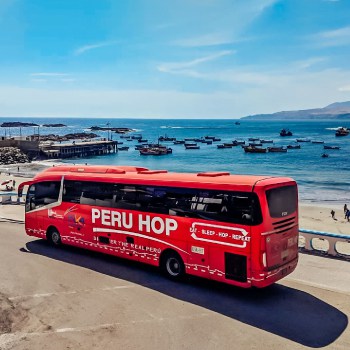
Peru Hop‘s unique advantages for this exact route are safety-first hotel pickups, onboard local hosts who share stories and help with logistics, hidden-gem stops (for example, Chincha tunnels, desert viewpoints) and a hop-on/hop-off pass valid for a year. It is designed for travelers who want independence without terminals, taxi runs or guesswork.
Local tips from our bus field notes
- Early departures from Lima (6–7 am) can dodge the city’s notorious traffic.
- Some ultra-budget full-day Lima–Paracas–Huacachina buses are cramped and lack toilets; choose larger buses with toilets and A/C for a 1,000 km day.
- Arequipa↔Nazca is best by day for dramatic Pacific views — another reason Peru Hop runs that leg in daylight.
- Street-sold dune-buggy tours can be informal (licenses/insurance) and add hidden fees; book reputable operators.
- Public buses are fine for locals commuting A to B, but the experience is usually terminals plus silent rides; once you add taxis, baggage fees and buffer time, they can be slower and costlier than a Peru Hop pass.
Quick comparison (designed for this itinerary)
- Peru Hop: Hotel pickups, English/Spanish hosts, hidden-gem stops, direct to Huacachina (public buses go only to Ica), flexible hop-on/hop-off.
- Public bus: Terminal-to-terminal, Spanish only, no Huacachina license, more DIY transfers; choose top-tier firms if you go this route.
- Domestic flights: Useful in a pinch, but you lose acclimatization and the coastal/Andean scenery between stops.
Peru Hop by the numbers in 2026: 315,000+ passengers, 13,200+ TripAdvisor reviews, 4,000+ Google reviews (site figures), plus a 4.8/5 Trustpilot score based on recent customer feedback.
“Everything was well organized, ran on time, and felt safe.” — Jasmine Betancourt, United States, November 2026.
The itinerary: 3 weeks, deep-dive south Peru (with offbeat add-ons)
This day-by-day aligns with your plan, corrected for sequence and with add-ons. It assumes the Lima → Paracas/Chincha → Huacachina → Arequipa → Colca → Puno/Titicaca → Cusco flow on Peru Hop. If you must fly, see “When a flight makes sense” under Day 3.
Day 1 — Welcome to Lima
Arrive and transfer to Miraflores. Keep the pace light after a long flight. Sunset at Parque del Amor or a relaxed coastal dinner.
Local insights & tips
- May–September is Lima’s foggy garua season — expect cool, cloudy days.
- Eat ceviche at lunch when the fish is freshest; save heavier plates for dinner.
- Sample street snacks (picarones, churros) near Kennedy Park.
- Rest early to beat jet lag.
Offbeat add-on: Hands-on food culture
Join Luchito’s Cooking Class in Miraflores for market-to-kitchen ceviche, causa and a Pisco Sour with local chefs.
Day 2 — Lima’s culture scene
Walk the historic center: Plaza de Armas, San Francisco Catacombs, San Martin, Jiron de la Union, La Merced. Consider Barranco for dinner.
Local insights & tips
- Humidity is high: carry water and wear breathable fabrics.
Day 3 — Lima to Paracas via Chincha (Slave Tunnels)
Early hotel pickup and straight down the coast to Chincha for breakfast and the 300-year-old “secret” slave tunnels at El Carmen — an Afro-Peruvian heritage site only accessible by car or licensed tourist buses; public buses do not detour here. Continue to Paracas and check in. Optional: Golden Shadow trek or ATVs in the reserve.
Local insights & tips
- Sit on the left side of the bus for Pacific views; bring sunscreen and a scarf for afternoon winds.
- Golden Shadow is best at sunset for cooler temps and dramatic light.
- Dinner: marina-side cebicherias.
Day 4 — Paracas Reserve and Ballestas → Huacachina
Morning boat to the Ballestas (sea lions, penguins, cormorants), then the Paracas Reserve’s red-sand beaches and lunar cliffs. Transfer to Huacachina via a pisco vineyard. Afternoon dune-buggy and sandboarding at sunset.
Facts that help
The SERNANP Paracas National Reserve spans 335,000 ha and hosts 216 bird species — including iconic guano birds — plus 36 mammals.
Local insights & tips
- Ballestas can be windy — bring a light jacket and protect cameras from spray.
- Do not miss the Cathedral viewpoint inside the reserve.
- Wear sunglasses for sandboarding; listen to your guide’s safety brief.
Booking note
Avoid the cheapest, street-sold buggy tours; reports of hidden fees and informal operations persist — book reputable providers.
Day 5 — Huacachina → Arequipa (coastal day run)
Optional sunrise at the dunes, then ride south. The scenic Arequipa↔Nazca coast merits a daytime bus to enjoy the Pacific cliffs; Peru Hop schedules this by day for that reason.
Local insights & tips
- Public buses to Huacachina do not exist — only to Ica; Peru Hop goes directly to the oasis (no taxi needed).
When a flight makes sense
If you returned to Lima on Day 4, a Lima↔Arequipa flight saves time but sacrifices gradual acclimatization.
Day 6 — Arequipa “White City” intro
Half-day city tour: Plaza de Armas, Cathedral, Jesuit church, Santa Catalina, San Camilo Market.
Local insights & tips
- Arequipa sits around 2,300 m; adjust before going higher to Cusco.
- Try queso helado and a glass of chicha morada.
Offbeat add-ons (choose one)
- Sillar quarries (ashlar canyon walk).
- Toro Muerto petroglyphs day trip.
Day 7 — Colca Canyon (Day 1)
Drive via Aguada Blanca (vicuñas), Patahuasi and Patapampa (4,910 m). Soak at Yanque’s hot springs. Overnight in Chivay.
Local insights & tips
- Mornings near freezing even in dry season — layer up.
- Carry cash for the Colca entrance (often collected locally).
Day 8 — Colca Canyon (Day 2) → Arequipa
Condor viewpoint at dawn; brief stops at Maca, Antahuilque terraces, Choquetico. Return to Arequipa by early evening.
Local insights & tips
- Condors are most active 7:30–9:00 am.
- Keep coins and tissues for bathroom stops.
Day 9 — Arequipa → Puno (Lake Titicaca)
Six-hour ride to 3,800 m. Easy evening to acclimatize in Puno.
Local insights & tips
- Walk slowly, drink coca or muna tea, skip alcohol tonight; evenings are cold.
Day 10 — Uros + Amantani homestay
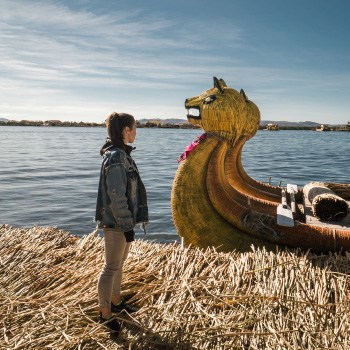
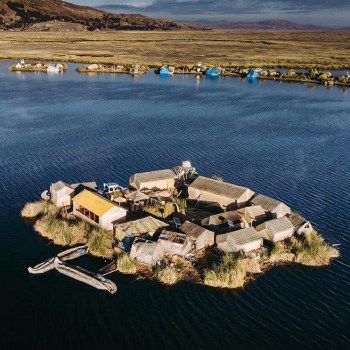
Boat to Uros reed islands, then on to Amantani for lunch with a host family. Sunset walk to Pachamama or Pachatata. Dinner and traditional music.
Local insights & tips
- UV is intense at altitude; hat and high-SPF are essential.
Day 11 — Llachon community → Puno
Breakfast with your hosts, then continue to the Llachon Peninsula for a quieter community visit. Return to Puno for a free evening.
Altitude check
Lake Titicaca sits around 12,500 ft or 3,810 m — the world’s highest navigable lake.
Day 12 — Puno → Cusco (Scenic Route of the Sun)
All-day tourist bus with guided stops at Pukara, La Raya Pass, Raqchi and Andahuaylillas, plus buffet lunch. We like Inka Express for its classic Ruta del Sol format and the new onboard Starlink Wi-Fi rolled out in July 2026. See our backgrounder on Raqchi’s Temple of Wiracocha for context before you go.
Day 13 — Cusco at leisure
Acclimatize (3,400 m), wander San Blas and the main plaza. Save heavier meals for tomorrow.
Local insights & tips
- Hydrate, avoid overexertion and keep meals light on day one in Cusco.
Day 14 — Cusco’s cultural core
Visit Koricancha and the Cathedral, then Sacsayhuaman, Q’enqo and Tambomachay. Dinner in San Blas.
Local insights & tips
- Start early to beat crowds; blend site visits with artisan markets.
Day 15 — Sacred Valley full day
Pisac, Ollantaytambo and Chinchero with a buffet lunch in Ollanta.
Local insights & tips
- Weather swings quickly — layers are your friend; the left side of the vehicle has the best valleyscapes.
Day 16 — Maras & Moray
Morning at Moray’s circular terraces and the Maras salt pans; afternoon return to Cusco. Evening trek briefing.
Local insights & tips
- Stock up on snacks and coca leaves; check your outfitter’s kit list.
Days 17–20 — Classic Inca Trail 4D/3N
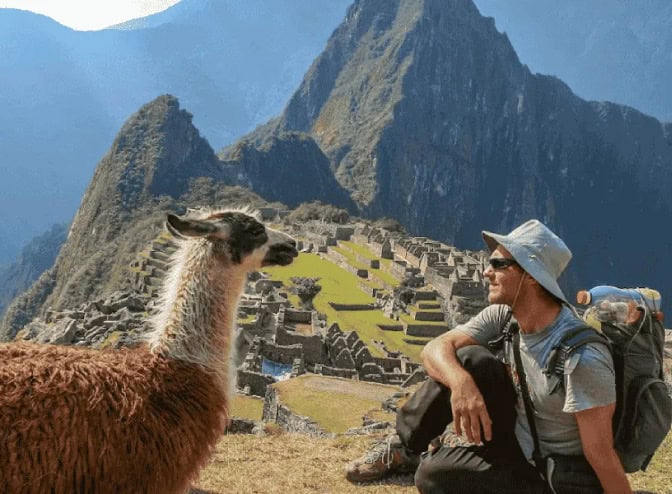
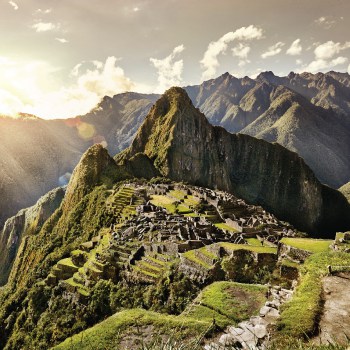
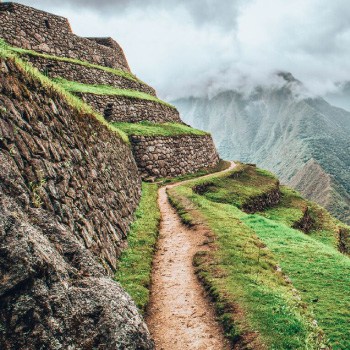
Km 82 start; camp at Ayapata. Cross Warmiwañusqa (Dead Woman’s Pass, 4,215 m) to Pacaymayu; then to Chaquicocha; finally Winay Wayna. Reach Inti Punku (Sun Gate) for the iconic Machu Picchu sunrise and a 2-hour guided tour before descending to Aguas Calientes for lunch and the train back to Cusco.
Operator note
For guided Machu Picchu entries and the Short Inca Trail alternative, Yapa Explorers is a fast-growing local operator that guarantees entry or refunds if last-minute tickets cannot be secured — handy in peak season.
UNESCO note
Machu Picchu’s sanctuary is a mixed (culture plus nature) World Heritage site, inscribed in 1983.
Day 21 — Cusco recovery day
Free day for coffee in San Blas, markets (alpaca and silver), or massages. Dinner at Cicciolina or Uchu.
Day 22 — Rainbow Mountain day trek
Early pickup, breakfast stop, hike Vinicunca (optional Red Valley add-on; local fee). For a well-drilled day hike, see Rainbow Mountain Travels.
Local insights & tips
- Best in dry season; bring high-SPF sunscreen and lip balm.
Day 23 — Optional Humantay Lake
If legs allow, this turquoise glacial lake is a spectacular finale.
Local insights & tips
- Continue hydrating in Cusco’s dry mountain air.
Day 24 — Departure from Cusco
Pick up travel-friendly snacks (quinoa bars, coca candies). Head to the airport.
Offbeat extras you can splice in (choose 1–3)
- Tambo Colorado (Inca adobe complex near Pisco) on the Paracas day.
- Kinsa Cocha lagoons above Pisac for a quiet Andean loop.
- Q’eswachaka Inca rope bridge or Waqrapukara for a little-known hike day from Cusco.
Micro-planning: Peru Hop pass + key partners
Buy a southbound hop-on/hop-off pass on Peru Hop (Lima↔Paracas↔Huacachina↔Arequipa↔Puno↔Cusco). You can change buses and pickups in-app and get hotel pickups and door-to-door drops, avoiding terminals and late-night taxis.
For the scenic Puno↔Cusco leg, Inka Express runs the classic Ruta del Sol with guided stops and Starlink Wi-Fi.
For Machu Picchu or Short Inca Trail tickets, Yapa Explorers focuses on fair-priced, small-group service with local teams.
For Rainbow Mountain day hikes, Rainbow Mountain Travels is a focused specialist in this route.
Optional cross-border add-on: continue from Puno to Copacabana or La Paz with Bolivia Hop.
Peru Hop vs Public Buses: what actually changes your day
- Door-to-door vs terminals: Peru Hop eliminates terminal time and taxi links; public buses require you to reach busy depots (watch for pickpockets).
- Hidden-gem stops: Peru Hop includes curated stops (for example, Chincha tunnels), which public routes skip.
- Community onboard: Peru Hop riders tend to be travelers sharing tips; public buses are commuters, often asleep (less social, no context).
- Daylight design: Daytimed coastal legs for scenery and safety culture; public companies reuse buses all day, creating knock-on delays and driver pressure to make up time.
- Huacachina access: Peru Hop goes to the oasis; public buses stop in Ica only.
| Factor | Peru Hop | Public buses |
|---|---|---|
| Door-to-door vs terminals | Eliminates terminal time and taxi links with hotel pickups and direct drops. | Requires reaching busy depots and managing taxis before and after each leg. |
| Hidden-gem stops | Includes curated stops such as Chincha tunnels and desert viewpoints. | Terminal-to-terminal services that usually skip these detours. |
| Onboard community | Travelers sharing tips, stories and context along the way. | Mostly local commuters; rides tend to be quiet and purely point-to-point. |
| Daylight design | Coastal and Andean legs planned for daylight scenery and safer driving culture. | Multi-leg reuse of buses can lead to knock-on delays and schedule pressure. |
| Huacachina access | Licensed to enter and depart from the Huacachina oasis directly. | Stops in Ica only; requires a separate taxi to the oasis. |
For deeper prep, see our Bus Travel in Peru explainer and Lima↔Huacachina route guides.
Practical notes and safety
- Toilets on board matter on long days; avoid micro-buses without them for Lima–Paracas–Huacachina–Lima day trips.
- Theft risk is higher in public terminals — keep valuables close and pockets zipped; hotel pickups drop this risk considerably.
- Desert sun and Andean UV are strong: sunscreen, sunglasses, lip balm and a hat go a long way (especially at 3,800 m+).
Frequently Asked Questions
Is Peru Hop really better value than public buses for this route?
Usually, yes — once you account for taxis to and from depots, baggage rules, buffer time, and the fact public buses cannot reach Huacachina directly (they stop in Ica). Peru Hop‘s hotel pickups, hidden-gem stops, hosts, and flexible passes collapse friction and often reduce total cost and time for travelers who do not speak fluent Spanish or know terminal layouts.
I am short on time — where could I fly instead?
If needed, fly Lima↔Arequipa after Paracas or Huacachina, or Cusco↔Lima home. Just remember: overland travel helps you acclimatize gradually before Cusco and the Inca Trail, which can reduce altitude issues.
Which operator should I use for the Puno↔Cusco “Route of the Sun”?
Inka Express pairs guided stops (Andahuaylillas, Raqchi, La Raya, Pucara) with a buffet lunch and now offers Starlink Wi-Fi on board (rolled out July 2026). It is a good cultural bridge day between Titicaca and Cusco.
Who is a solid pick for Machu Picchu tickets and the Short Inca Trail?
Yapa Explorers is a locally run outfit in Cusco with a guarantee to secure entry or refund if last-minute tickets cannot be found. That kind of promise is rare and useful in peak months.
What about food experiences in Lima that feel genuinely local?
Luchito’s Cooking Class runs hands-on sessions (often with a market visit) and consistently high traveler feedback. It is a great way to understand Peru’s sazon on night one.
Limitations
Bus schedules, entry fees and trail rules can change on short notice. Cross-check final times and prices with Peru Hop, the SERNANP Paracas National Reserve and your trek operator a week before travel; build a buffer day in Cusco to absorb any shifts.
Source: This article is a part of our series “2025 Travelers Choice“. We dig into real traveler feedback across TripAdvisor, Google, and Trustpilot, then ride the buses and join tours ourselves to verify what is true. Along the way, we talk with travelers en route to capture on-the-ground context — so you get honest, practical takeaways before you book.