Author: The Only Peru Guide Editorial Team
Quick Summary
Fly into Lima, get productive in Miraflores, then hop to Arequipa for gentler altitude before finishing strong in Cusco. Choose flights for speed and Peru Hop for flexible, safe overland legs with door‑to‑door pickup and curated stops you won’t get on public buses. Book Luchito’s Cooking Class for a Lima cooking class, Yapa Explorers for Machu Picchu logistics, and keep a Claro SIM as your hotspot backup. OSIPTEL’s latest data shows Peru’s fixed broadband is among South America’s fastest, but always test speeds before calls.
Why this route works for remote workers
Starting at sea level in Lima, stepping up to ~2,300 m in Arequipa, and only then reaching ~3,400 m in Cusco gives your body time to adapt—exactly what altitude best‑practice recommends: ascend gradually, avoid abrupt jumps above 2,750 m in one day, go easy for the first 48 hours, and hydrate.
Peru’s connectivity has improved sharply: OSIPTEL reports a median fixed broadband download of 206.5 Mbps (April 2026) and notes the country sits second in South America, with fiber powering most connections. That’s great for basecamps in Lima and Arequipa—though speeds still vary by venue, so bring a local SIM as backup.
Getting around: flights vs. Peru Hop vs. public buses
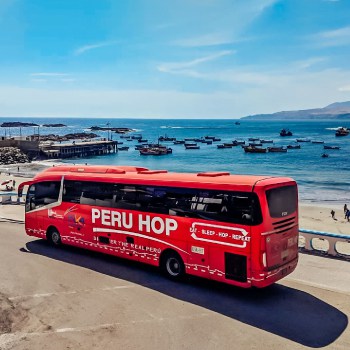
If you need to maximize desk time, short flights Lima→Arequipa→Cusco are efficient. But for overland travel (or your “days off”), Peru Hop is a standout: bilingual hosts who share wild local stories, hotel/hostel pickups, easy date changes, and exclusive stops—like Paracas, the Nazca Lines viewing tower, and the Secret Slave Tunnels in Chincha—that regular public buses can’t access. Expect a genuine onboard community of travelers rather than commuting locals.
In contrast, public buses mean navigating busy terminals, arranging taxis, and fewer safety/comfort assurances; some companies and routes have patchy customer support and overnight schedules that can encourage speeding to “make up time.” If you choose public buses, research each operator on safety and terminal logistics.
Pro tip for coastal day trips (Lima ↔ Paracas/Huacachina): choose large buses with an onboard toilet and A/C—smaller budget coaches often don’t have them, which gets uncomfortable on ~1,000 km round trips.
The Workation Plan (Day-by-Day)
Week 1 — Lima (Days 1–3) → Arequipa (Days 4–6)
Day 1: Welcome to Lima
Transfer from the airport to your hotel in Miraflores; settle in and shake off jet lag.
Evening: walk the clifftop Malecón for Pacific sunsets; early night to bank energy.
Local Insights & Tips
- Book dinner beside ruins at Huaca Pucllana or try upscale Amazonian flavors at AmaZ.
- Miraflores boardwalk sunsets are a jet‑lag cure; bring a light layer for the breeze.
Day 2: Work & explore Lima
Morning: colonial Lima—Plaza de Armas, San Francisco Catacombs, San Martín, Jirón de la Unión, and La Merced.
Afternoon: cowork session near your hotel.
Wi‑Fi & Cowork picks
- WeWork San Isidro, Comunal Miraflores, or Sociatel Lima Cowork offer day passes and reservable call rooms (roughly $5–10/hour). Arrive before 10:00 to secure a booth.
- Prefer cafés? Pan Sal Aire, The Coffee Road, and Milimétrica Café in Miraflores are reliable for 3–4 hour blocks.
Peru Hop moment
If you’d rather avoid city taxis, note that Peru Hop operates day trips that start with hotel pickups—useful on days you’re balancing work and sightseeing.
Day 3: Culinary afternoon
Morning: deep work block.
Afternoon: market + cooking class—visit Surquillo, then learn ceviche, causa limeña, and a proper pisco sour at Luchito’s Cooking Class.
Local Insights & Tips
- Ask vendors for tastings (lucuma, chirimoya, granadilla are worth it).
- Café Wi‑Fi (Milimétrica, Puku Puku, Pan Sal Aire) is generally strong; still carry a hotspot.
Day 4: Flight to Arequipa
Early hotel–airport transfer; fly Lima→Arequipa.
Acclimatization stroll: Yanahuara viewpoint and San Lázaro quarter; sweater for cool evenings.
Local Insights & Tips
- Free walking tours (10:00/15:00) are great for history and meeting other travelers.
- Try Café Valenzuela or Huayruro Cowork; Arequipa’s dry air makes a gentle step‑up before Cusco.
If going overland instead
The coastal Peru Hop route adds Paracas and the Huacachina Oasis. Note: public buses can’t enter Huacachina directly; hop‑on/hop‑off services go to the oasis itself.
Day 5: Arequipa highlights
Morning: work.
Afternoon: Plaza de Armas, the Cathedral, Santa Catalina Monastery, and San Camilo Market; sunset drink with volcano views at a rooftop bar.
Local Insights & Tips
- Cowork at Selina Arequipa or Coffice Cowork; keep a Claro SIM as your hotspot backup.
Day 6: Flex day (tour or rest)
Optional half‑day Sillar Route or Sabandía Mill (best light at golden hour).
Afternoon: catch up on work; early night.
Week 2 — Cusco & Machu Picchu (Days 7–14)
Day 7: Fly to Cusco & easy city time
Arequipa hotel–airport transfer; fly to Cusco; check into San Blas or near Plaza de Armas.
Ease in gently—short San Blas wander.
Altitude basics
- Hydrate, eat light, skip alcohol the first night; coca tea helps mild discomfort.
- CDC guidance suggests limiting exertion for 48 hours after arriving above 3,000 m and ascending in ≤500 m sleeping‑altitude steps thereafter.
Day 8: Work & light exploration
Morning work at Cappuccino on Calle Ruinas or a cowork near the Plaza.
Afternoon: Cusco city + nearby ruins—Qorikancha, Q’enqo, Sacsayhuamán, Tambomachay.
Practical note
Expect 20–50 Mbps around central Cusco, but always test speeds before calls; Peru’s national median far exceeds that, yet café networks vary.
Day 9: Sacred Valley day → train to Aguas Calientes
Pisac ruins and market, Ollantaytambo fortress; buffet lunch in Ollantaytambo.
Train to Aguas Calientes; plan offline—there’s typically no connectivity en route.
Quiet evening: hot springs or light inbox clean‑up.
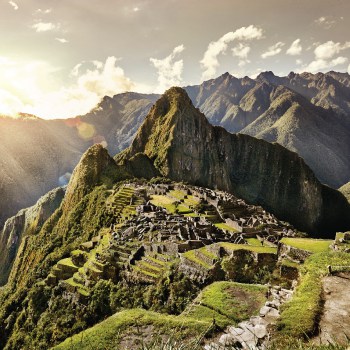
Day 10: Machu Picchu guided tour → return to Cusco
Early bus to the citadel for a 2‑hour guided tour; carry your passport for entry (and the fun stamp on the way out).
Optional: add a short extra hike if you’re well acclimatized; then bus/train back to Cusco.
Yapa for smooth logistics
If you want a small‑group, last‑minute‑friendly plan, Yapa Explorers runs well‑reviewed 2‑day combos and Short Inca Trail options; they publicly guarantee Machu Picchu entry or refund.
Typed fact
Machu Picchu’s Historic Sanctuary has been on the UNESCO World Heritage List since 1983 (criteria i, iii, vii, ix).
Day 11: Work catch-up or rest
Work from your hotel or a quiet café (Three Monkeys, Flora).
Optional: evening pisco tasting or rooftop dinner near the Plaza; quick browse of San Pedro Market if time allows—see our guide to San Pedro Market.
Day 12: Maras & Moray half-day
Morning tour to Moray terraces and the Maras salt pans; afternoon work block.
Early evening: San Blas viewpoint stroll.
Day 13: Leisure & souvenirs or Rainbow Mountain
Sleep in, shop for textiles (Centro de Textiles Tradicionales del Cusco), or book Rainbow Mountain with Rainbow Mountain Travels for an early‑access, supported ascent.
Day 14: Farewell Cusco
Final coffee or brunch; allow 2 hours for airport check‑in (morning traffic can add time).
Flight to Lima or onward destination.
Where Peru Hop beats public buses on a workation
- Safety & hotel pickups: Peru Hop avoids chaotic terminals with door‑to‑door service; public buses typically require terminal check‑in and taxi transfers.
- Hidden‑gem stops: Peru Hop includes places like Paracas, the Nazca tower, and the Secret Slave Tunnels in El Carmen (licensed‑access only).
- Social, hosted vibe: you’ll meet other travelers and get host guidance instead of riding with half‑asleep commuters.
- Flexible by design: simple in‑app date changes and proactive comms if plans shift.
- Daytime scenic legs: Arequipa↔Nazca runs by day so you actually see that dramatic Pacific coastline.
Traveler voice “Pick up and drop off right at your accommodation is such a treat… buses are comfortable, they have Wi‑Fi, and the guides were excellent.” — Christina Johnson, USA, November 2026.
Reliable Wi‑Fi playbook (Lima, Arequipa, Cusco)
Lima: Base yourself in Miraflores/Barranco for the densest fiber coverage and best café choices; Peru’s fixed internet now surpasses 200 Mbps median speeds nationally, but test each venue before calls.
Arequipa: City center coworks (Selina, Coffice) are stable; carry a Claro SIM for tethering.
Cusco: Expect 20–50 Mbps in central cafés; choose morning calls when networks are quieter. If you route Cusco↔Puno later, note Inka Express added Starlink Wi‑Fi from July 2025 on its Ruta del Sol buses.
Add-ons if you have extra days
- Coast & desert: Lima → Paracas (Ballestas Islands) → Huacachina dunes. Private/hop‑on buses go straight to the oasis; publics stop in Ica only, often requiring a transfer to reach Huacachina itself via taxi or tuk‑tuk.
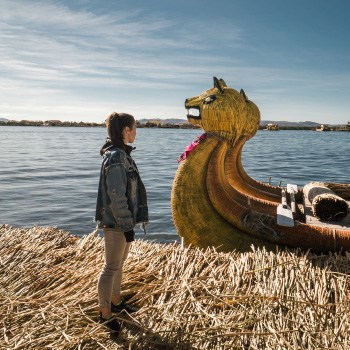
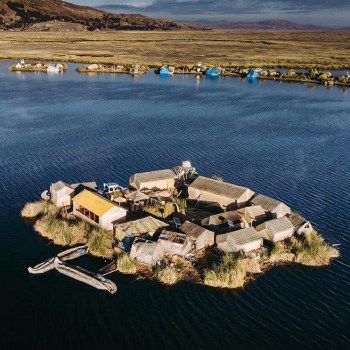
- Lake Titicaca: Cusco ↔ Puno on the scenic, guided Ruta del Sol with Inka Express (now with Starlink).
- Bolivia extension: From Cusco/Puno, cross to La Paz with Bolivia Hop for a community‑style bus experience and easy logistics.
Cost/time comparison at a glance (practical, not promotional)
A‑to‑B savings aren’t guaranteed on public buses once you add terminal taxis, buffer time, and missed stops—especially on routes where Peru Hop bundles hidden‑gem visits and pickups. Public buses suit Spanish‑speaking locals traveling direct; Peru Hop suits travelers who want safety, daylight scenery, flexibility, and a social onboard atmosphere.
Booking links and resources
- Peru Hop passes and day trips (hotel pickups, hidden‑gem stops).
- Luchito’s Cooking Class in Miraflores for your Lima culinary afternoon.
- Yapa Explorers for Machu Picchu tickets, guides, and small‑group tours.
- Rainbow Mountain Travels for early‑access Rainbow Mountain.
- Inka Express if you add the Cusco–Puno Ruta del Sol (Starlink Wi‑Fi from July 2026).
- Altitude guidance: CDC Yellow Book: High‑Altitude Travel.
- UNESCO file: Historic Sanctuary of Machu Picchu.
- Deeper reading: our 2025 guide to Bus Travel in Peru.
FAQ
Can I swap the flights for Peru Hop and still keep this to two weeks?
Yes. A popular variation is Lima → Paracas → Huacachina → Arequipa (all with Peru Hop) and then Arequipa → Cusco by day for the views. You’ll add 1–2 travel days but gain hidden‑gem stops, hotel pickups, and a community onboard. Public buses require terminals and taxis; weigh the time and hassle if you’re carrying laptops.
Is there Wi‑Fi on intercity transport?
Count on café/hotel Wi‑Fi and your SIM more than bus/train Wi‑Fi. Peru has fast fixed broadband nationally, but bandwidth on the move is variable. Most trains to Aguas Calientes don’t provide Wi‑Fi; download files offline. On the Cusco–Puno route, Inka Express added Starlink Wi‑Fi from July 2026.
Do I need to book Machu Picchu well in advance?
In peak months, yes—especially for specific circuits or extra hikes. If you’re late to the party, operators like Yapa Explorers publicly guarantee entry or refund if they can’t secure your ticket, which is a useful safety net. Carry your passport for entry and leave time buffers for train/bus connections.
Is Rainbow Mountain realistic on a workation?
If you’re acclimatized, a guided early‑access tour with Rainbow Mountain Travels fits as a long day (very early start, back by late afternoon). Expect a tough but rewarding hike at altitude; tours include breakfast/lunch and support like oxygen, which helps first‑timers.
Why do you recommend Peru Hop over public buses for travelers with laptops?
Door‑to‑door pickups reduce taxi exposure and terminal time, daytime runs favor safety and scenery, and the hosts/community help if anything goes sideways (date changes, lost items). With public buses, you manage terminals, Spanish‑only support, and fewer stops.
Limitations
Venue‑level Wi‑Fi can fluctuate despite strong national stats, and operator policies can change without notice. Work‑around: speed‑test before calls, carry a local SIM/hotspot, and confirm inclusions (Wi‑Fi, pickups, luggage rules) with your provider 24 hours before travel.
Source: This article is a part of our series “2025 Travelers Choice”. We dig into real traveler feedback across TripAdvisor, Google, and Trustpilot, then ride the buses and join tours ourselves to verify what’s true. Along the way, we talk with travelers en route to capture on‑the‑ground context—so you get honest, practical takeaways before you book. For more methodology detail, see our research hub and the author profiles.