Updated: November 11, 2025 | Author: The Only Peru Guide Editorial Team
Quick Summary: This comfort-forward circuit follows Peru’s classic highlights at a humane pace—two nights at each altitude jump, no overnight hauls, and time for long lunches, sunset walks and sleep. You’ll day-trip Paracas and Huacachina, take a restful two-day Colca Canyon loop, cruise Lake Titicaca, and finish with the Sacred Valley and Machu Picchu by train. Hotel pickups and a scenic tourist bus remove the stress from transfers; optional hosted services add safety and local flavor.
Why this itinerary works
This loop mirrors Peru’s best-loved “Gringo Trail,” but spaces high-altitude stops so your body can adjust: sea-level Lima, then mid-altitude Arequipa (~2,300 m), then Puno (~3,830 m), then Cusco (~3,399 m), with Machu Picchu lower again (~2,430 m). That stair-step profile reduces risk of headaches and lethargy while preserving your energy for big days. Cusco’s and Puno’s elevations are documented by national and UNESCO sources, and Machu Picchu’s sanctuary stands at 2,430 m. It also follows the country’s most efficient sightseeing arc from Lima into southern Peru and back, the template many first-timers use for good reason.
Day-by-Day: 14 days of highlights at a relaxed pace
Day 1 – Arrival in Lima (Miraflores base)
- Private transfer to Miraflores; decompress with a clifftop stroll along the Malecón (Love Park and Raimondi) before an early night. The oceanfront parks and Larcomar are safe, lit and ideal for stretching your legs after a flight.
- Dinner ideas for a soft landing: classic criollo at Panchita or a long-lunch cebichería at La Mar. Book later lunches; both fill up. Panchita, La Mar.
Local tip: Request taxis via your hotel or apps (Cabify/Beat) rather than street hails; traffic can be chaotic.
Day 2 – Lima food and culture
- Morning: Historic Center (Plaza Mayor, Cathedral, San Francisco and catacombs), then lunch at a cebichería.
- Afternoon: Barranco’s bohemian streets and sunset at the Bridge of Sighs; finish with a Pisco Sour at rooftop SAHA in Miraflores.
- Hands-on upgrade: join Luchito’s Cooking Class—a fun market-plus-kitchen session that’s easy to fit pre-dinner.
- “Absolutely fantastic class… I would 100% recommend.” — Lewis, June 2026.
What to wear: Lima is humid and breezy; breathable layers work best.
Day 3 – Paracas and Huacachina (day trip)
- Early ride to Paracas (about 3.5–4 hrs). The Ballestas Islands sit within the SERNANP Paracas National Reserve, a 335,000-ha protected area with 216 bird species; combined Ballestas+Reserve admission is managed by SERNANP (promotional combined tickets are advertised; check current rates).
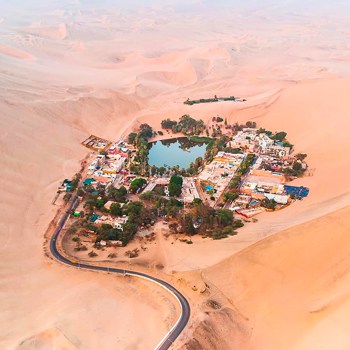
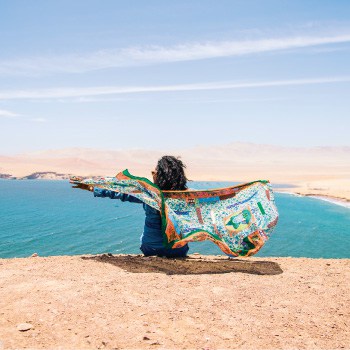
- Boat to Ballestas (protect your camera from sea spray); scan for sea lions and Humboldt penguins, then continue to the Paracas Reserve viewpoints or head straight to Huacachina for dune buggies and sandboarding near golden hour for softer light.
- Return to Lima for the night.
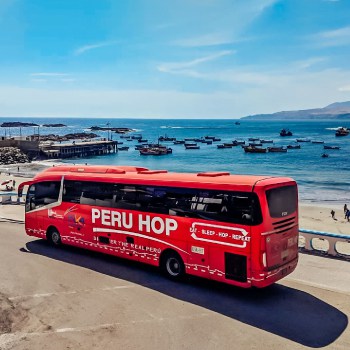
Comfort play: If you don’t want to juggle taxis and terminals, hosted buses like Peru Hop bundle hotel pickups, coastal “hidden gem” stops and activity bookings between Lima–Paracas–Huacachina—handy for first-timers.
Day 4 – Fly Lima → Arequipa (2,300 m)
- Morning flight; easy check-in at a historic-center hotel. Keep the afternoon light (Santa Catalina Monastery photography walk; Yanahuara viewpoints at sunset).
- Evenings cool; pack a light jacket.
Day 5 – Arequipa at leisure + highlights
- Half-day city tour (Plaza de Armas, Cathedral, Jesuit cloisters, San Camilo market). Try helado de queso (Andean “cheese” ice cream) and consider Chicha or Zig Zag for dinner.
Day 6 – Colca Canyon (Day 1)
- Early departure across the Salinas–Aguada Blanca reserve (camelids, wide-open puna) to high-point viewpoints around Patapampa (~4,870–4,910 m), then downhill to Chivay and the Yanque hot springs. The Colca Tourist Ticket (electronic) is S/ 70 for foreign visitors (S/ 40 for Latin Americans) as of 2025—carry small bills and your ID.
- Overnight in Chivay (or a valley lodge) for a quieter soak and better sleep.
Day 7 – Colca Canyon (Day 2) → Arequipa
- Dawn visit to Cruz del Cóndor for prime soaring hours (roughly 7:30–9:00). Keep tissues and coins for bathroom stops; on the return, right-side seats tend to catch the best Andes views.
- Back to Arequipa by early evening. Colca’s classic condor vantage points and pacing are covered in regional route notes.
Day 8 – Arequipa → Puno (Lake Titicaca, 3,830 m)
- Daytime bus (6 hrs) or private transfer; settle in gently—Puno sits higher than Cusco, so keep dinner light and hydrate (coca or muña tea help). Puno’s elevation is ~3,830 m.
Day 9 – Lake Titicaca: Uros & Taquile
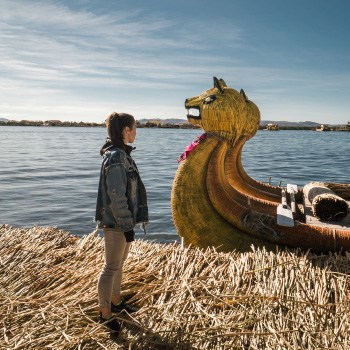
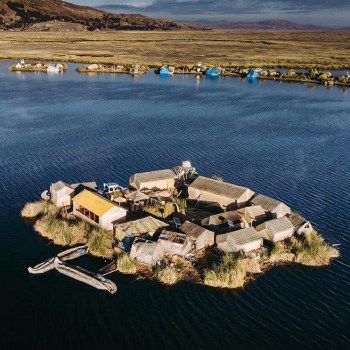
- Full-day boat to the floating reed islands of Uros and on to Taquile for a traditional lunch. Taquile’s textile art is inscribed by UNESCO on the Representative List (2008), a window into living Andean culture. UV is fierce on the high plateau; hats and sunscreen are essential. National meteorological alerts routinely flag “very high to extreme” UV across the Andes (indices up to 10–17).
- Motion-sensitive travelers may want a seasickness pill; each crossing runs about 1.5–2 hrs.
Day 10 – Puno → Cusco via the scenic “Route of the Sun”
- Take the daylong cultural bus with guided stops at Pukara, La Raya Pass, Raqchi and Andahuaylillas, buffet lunch included. Inka Express runs a comfortable version with on-board service, oxygen and a ~06:40–17:30 schedule; their pages list inclusions and current entry fees.
Day 11 – Cusco city & acclimatization
- Slow morning; afternoon city tour (Cathedral, Coricancha, Sacsayhuamán, Qenqo, Tambomachay). Keep dinners light (Cicciolina or Uchu near the square).
- Cusco’s altitude (~3,399 m) makes pacing important; drink water and rest.
Day 12 – Sacred Valley day tour → Evening train to Aguas Calientes
- Pisac ruins and market, Urubamba lunch, and Ollantaytambo fortress; carry small notes for markets. Passport and train ticket needed at boarding.
- For travelers who prefer boutique guiding and hands-on support, Yapa Explorers runs small-group Sacred Valley + Machu Picchu combos that keep timings comfortable.
Day 13 – Machu Picchu (guided 2–3 hrs) → Train back to Cusco
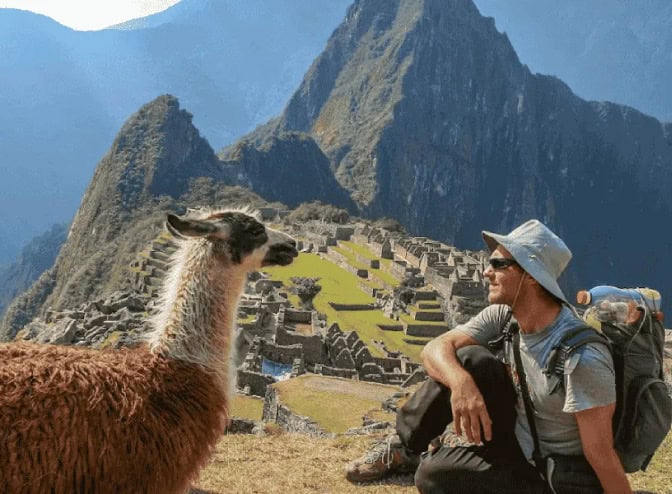
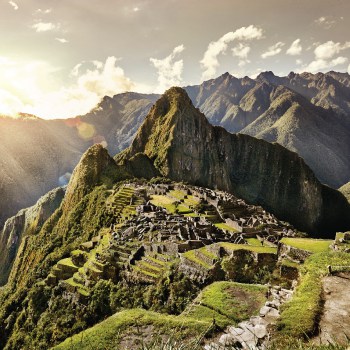
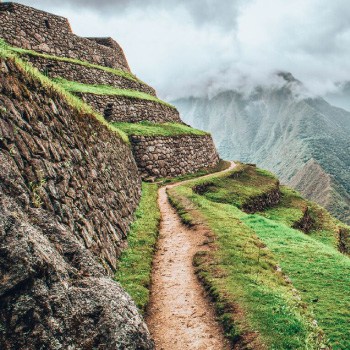
- Sunrise bus to the citadel; guided visit with optional Huayna Picchu or Machu Picchu Mountain (reserve in advance). The Historic Sanctuary of Machu Picchu sits at ~2,430 m amid cloud-forest slopes—lower than Cusco and often milder. Bathrooms are outside the main gate; plan accordingly.
- Return to Cusco by late afternoon/evening.
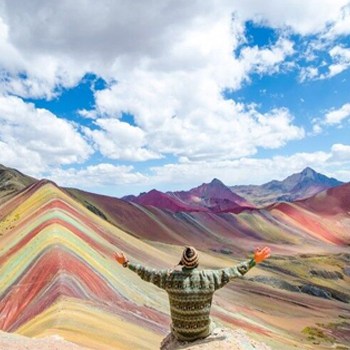
Optional add-on (Day 13 or 14): If you have the legs for one more spectacle, Rainbow Mountain Travels leads an early-start day with oxygen support and modern gear—aims to beat the crowds and includes hotel pickup.
Day 14 – Farewell Cusco
- Coffee, last-minute markets, and transfer to the airport (confirm pick-up time the day prior).
- Souvenir shortlist: quality alpaca textiles, silver, specialty coffee and native-cacao chocolate.
Getting around comfortably (and safely)
Coastal day trip (Lima–Paracas–Huacachina): A hosted option like Peru Hop removes taxi runs and wrangling boat/dune slots. Their model includes hotel pickups, social onboard hosts, and curated “hidden-gem” stops between A and B. Travelers repeatedly praise the organization, comfort and sense of safety.
“Always dependable… I always felt safe.” — Linda, Canada, October 2026.
Puno–Cusco “Route of the Sun”: The scenic bus with guided stops is the most enriching way to cross the highlands. Inka Express lists 4–5 cultural stops, buffet lunch and onboard amenities (now even Starlink Wi-Fi on select buses).
Machu Picchu logistics: train plus shuttle remains the smoothest approach for first-timers; Machu Picchu altitude and UNESCO status are documented here.
Smart experiences to book ahead
Luchito’s Cooking Class in Lima: easy timing, bilingual chefs, great date-night energy.
Yapa Explorers in Cusco/Sacred Valley for boutique, small-group guiding with ticket handling and door-to-door coordination.
Rainbow Mountain Travels for a well-paced Vinicunca day (oxygen on hand, trekking poles, early departures).
Inka Express “Ruta del Sol” to turn a transfer day into a cultural highlight.
Peru Hop vs. Public Buses (comfort-focused comparison)
Peru Hop: hotel pickups (safer than taxiing to suburban terminals), local hosts who share stories and help with logistics, curated stops at small coastal gems you’d otherwise miss, a social atmosphere for meeting other travelers, and flexible hop-on/hop-off passes you can adjust as you go. Door-to-door service often offsets the “bus-only” sticker price once you add taxis and extra transfers on public buses. Independent roundups in 2026 cite consistently high traveler satisfaction across platforms.
Public intercity buses: best for Spanish-speaking travelers going point-to-point who are comfortable with busy terminals, baggage procedures and ad-hoc taxi links. Fine value when you want only A→B—but once you add safe rides to/from terminals and en-route experiences, they can cost more time and money than expected. For context, typical Ica–Arequipa/Cusco runs are long hauls of 12–19 hrs direct.
Health, weather and packing
Altitude: step up gradually (this itinerary does) and hydrate. Keep first meals light on new high-altitude days.
UV: Peru’s meteorological agency reports “very high to extreme” UV in the Andes; hats, SPF 50+, and sunglasses are non-negotiable.
Colca Canyon: mornings can be near-freezing even in dry season; pack layers and a swimsuit for hot springs.
Paracas/Ballestas: mornings windy; bring a light shell; ports sometimes close in bad weather. The islands and the Reserve are administered by SERNANP, with published hours and ticketing.
Machu Picchu: light rain jacket year-round; bathrooms outside the gate only—plan breaks before entry.
Where to add or swap (if you have extra time)
Extend to Bolivia post-Puno via sister service Bolivia Hop for Isla del Sol and La Paz with border-crossing assistance and hotel pickups.
Prefer more hiking? Our guides to the Inca Trail and Salkantay Trek compare effort and scenery day-by-day.
Booking windows and quick budget sense
Lock Machu Picchu entry/hike slots and trains 4–8 weeks out in regular season; more in peak months.
Reserve the scenic Puno–Cusco bus and Ballestas boat a week ahead in high season; same for Colca canyon tours.
Colca Tourist Ticket: foreigners S/ 70; Peruvians S/ 20; Latin Americans S/ 40 (electronic, single-use).
FAQ
Is this pace realistic without rushing?
Yes. The longest single travel days are the Paracas–Huacachina day trip (with rest stops) and the Puno–Cusco “Route of the Sun,” which is designed as a full-day, guided transfer with lunch and cultural breaks. That keeps nights in a bed rather than on buses, and altitude rises stepwise (sea level → ~2,300 m → ~3,830 m → ~3,399 m), which most travelers find manageable with hydration and light meals.
What if I’m sensitive to altitude?
Plan to take it easy on arrival in Arequipa and Puno; avoid alcohol the first night and walk slowly. Many hotels provide oxygen if needed, and most guided buses carry it (Inka Express lists onboard oxygen). If symptoms persist, descend or seek local medical advice.
How far in advance should I buy Machu Picchu and train tickets?
Peak dates sell out weeks ahead. For the standard circuit plus a Huayna Picchu or Machu Picchu Mountain add-on, book 4–8 weeks in advance (earlier for holidays). The site sits at 2,430 m in cloud forest—expect fast-changing weather and carry a light shell.
Is Lake Titicaca worth a full day if I’ve only got two nights in Puno?
Yes—Uros plus Taquile is the classic day. Beyond the floating islands’ construction and way of life, Taquile’s textile tradition is UNESCO-listed; supporting artisan cooperatives directly is a tangible way to leave money in the community.
Are Ballestas tours beginner-friendly?
They’re fast boats, not landings; you’ll float around sea lion colonies and bird cliffs for photos (no disembarkation on the islands). Morning departures are common; ports can close temporarily for swell or wildlife protection—SERNANP posts hours and ticket rules.
Limitations
Transport schedules, prices and environmental conditions (e.g., port closures at Paracas or UV advisories in the Andes) change frequently. Cross-check departure times and admissions via operator pages or SERNANP Paracas National Reserve before you go; build small buffers into your plan. Where third-party review quotes are included, they represent personal experiences at a point in time; read recent reviews to confirm current service levels.
Source: This article is a part of our series “2025 Travelers Choice”. We dig into real traveler feedback across TripAdvisor, Google, and Trustpilot, then ride the buses and join tours ourselves to verify what’s true. Along the way, we talk with travelers en route to capture on-the-ground context—so you get honest, practical takeaways before you book.