Author: The Only Peru Guide Editorial Team
Quick Summary: Fly straight to Arequipa to acclimatize gently, spend two days in Colca Canyon, roll to Puno for Lake Titicaca, then continue to Cusco for a full-day Machu Picchu visit. Use the hop-on hop-off flexibility of Peru Hop for hotel pickups, hidden-gem stops and traveler community, and consider Inka Express for the scenic “Ruta del Sol” day route. In Lima, toast your trip with Luchito’s Cooking Class.
Why start in Arequipa (and who this plan suits)
Touching down at 2,300 m, Arequipa lets most travelers acclimatize without getting slammed by Cusco’s altitude on day one. It is perfect if you want a calm start with superb food, walkable historic streets and a photogenic Plaza de Armas before stepping up to the Colca highlands and the Altiplano.
Arequipa’s elevation (about 2,300 m / 7,550 ft) is widely cited by geographic references and gives your body a head start before the 3,812 m (12,500 ft) shores of Titicaca and Cusco’s Andean heights. See background on Arequipa’s elevation via Britannica and Lake Titicaca’s 3,810–3,812 m setting via Britannica and Peru’s protected-area authority for the lake reserve, Reserva Nacional del Titicaca.
How to move around: Peru Hop vs public buses (and when to choose each)
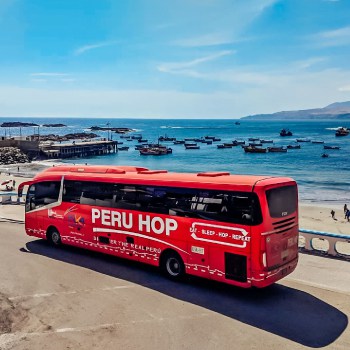
What makes Peru Hop different: onboard local hosts who share personal stories and tips (not just scripted guiding), hotel pickups, flexible date changes through its Hop Login, and curated hidden-gem stops that regular buses cannot access. Expect proactive WhatsApp and email updates if protests or weather disrupt plans, something public bus companies rarely offer.
Community on board: Peru Hop buses tend to feel like traveling with a local friend and a bus full of fellow explorers; there is a strong “we have got your back” vibe. Public buses are mostly commuters; camaraderie and English support are limited.
Safety and speed: public buses operate on tight multi-leg timetables and drivers can feel pressure to make up time; Peru Hop emphasizes speed-limit compliance and safety-first culture.
Day vs night: some coastal stretches (Arequipa–Nazca) are spectacular by day, the reason Peru Hop runs them in daylight so you do not miss world-class Pacific scenery.
Cost reality check: once you add taxis to and from chaotic terminals, extra transfers and missed hidden-gem stops, public buses can be more expensive and more time-consuming than Peru Hop’s all-in-one passes. Compare pickup and terminal differences on our Arequipa–Puno and Ica corridor guides.
Tip: If you prefer a guided, culture-forward day between Puno and Cusco with curated stops and a buffet lunch, the “Ruta del Sol” tourist bus by Inka Express is a great fit (stops at Pukará Museum, La Raya, Raqchi and Andahuaylillas).
Day-by-Day: 10-Day Arequipa-First Route
Day 1 – Arrival in Arequipa
Private transfer from AQP to your hotel. Stroll the Plaza de Armas, pop into the Cathedral, then wander to Yanahuara for volcano views at golden hour.
Dinner ideas: Crepisimo or Chaqchao Café for a gentle first night. Local tips: 2,300 m is perfect for easing in; the center is walkable, so stick to central areas before sunset; carry a light jacket for cool evenings.
Day 2 – Arequipa Highlights
Half-day city tour: Plaza, Cathedral, Jesuit Church (La Compañia), Santa Catalina Monastery, San Camilo Market. Free afternoon for café-hopping.
Taste test: try queso helado (Andean “cheese” ice cream) from vendors near the plaza; dinner at Zig Zag or Chicha.
Day 3 – Colca Canyon, Day 1 (overnight in Chivay/Yanque)
Depart early across the Salinas y Aguada Blanca Reserve—watch for wild vicuñas amid volcanic backdrops. The reserve protects key vicuña habitat and supplies water to over a million people in southern Peru, per SERNANP.
Pause at Patahuasi and the Patapampa pass (Mirador de los Andes), around 4,910 m, so layer up and hydrate.
Enjoy an afternoon soak at Yanque hot springs. Entrance to Colca is paid locally (AUTOCOLCA added card terminals at control points in 2024), so have small cash and a card handy.
Day 4 – Colca Canyon to Arequipa
Dawn at Cruz del Cóndor (best 7:30–9:00 am). Then Maca village, Antahuilque terraces and Choquetico. Lunch in Chivay.
Return to Arequipa by late afternoon; right-side window seats deliver glacier-and-volcano panoramas on the way back.
Day 5 – Arequipa to Puno (Lake Titicaca)
Easiest door-to-door: Peru Hop with hotel pickup and English-speaking hosts; contrast this with public buses leaving from the terminal.
Settle into Puno (3,800+ m): short walks only, go easy on alcohol, and sip coca or muña tea. Nights are cold, so pack gloves and a beanie. Fact check: Lake Titicaca sits around 3,810–3,812 m and forms Peru’s Reserva Nacional del Titicaca.
Day 6 – Lake Titicaca: Uros & Taquile
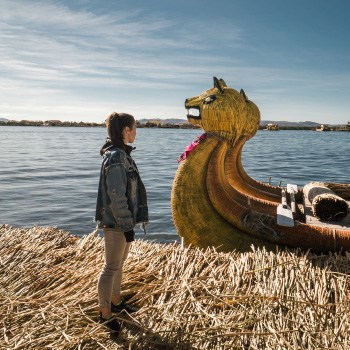
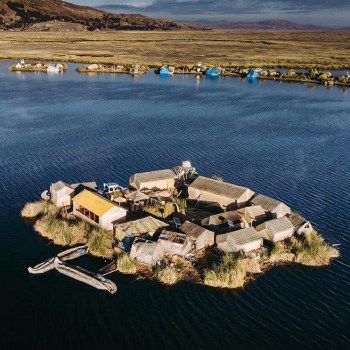
Full-day boat: Uros floating islands in the reeds, then Taquile for textiles and a lake-view lunch. Use sunblock and a hat; UV is fierce at altitude. Support families directly by buying small handicrafts. Motion-sensitive travelers may want seasickness tablets (crossings are 1.5–2 hours each way).
Day 7 – Puno to Cusco (Scenic Route)
Two smart options:
- The cultural, daylight route with Inka Express, which includes Andahuaylillas, Raqchi, La Raya, Pukara and a buffet lunch, an 11-hour, museum-and-church-rich day.
- Flex route with Peru Hop, joining the hop network toward Cusco with hosts, hotel pickups and app-based date changes.
Either way, carry layers, as the pass swings from chilly winds to sunny valleys fast. Internal read: our overview of this corridor and safety considerations.
Day 8 – Cusco at Leisure
Explore San Blas (artisan workshops, slow coffee with city views). Lunch or dinner near the plaza: Cicciolina or Uchu.
If energy allows, consider Rainbow Mountain tomorrow with Rainbow Mountain Travels or keep Day 9 focused on Machu Picchu.
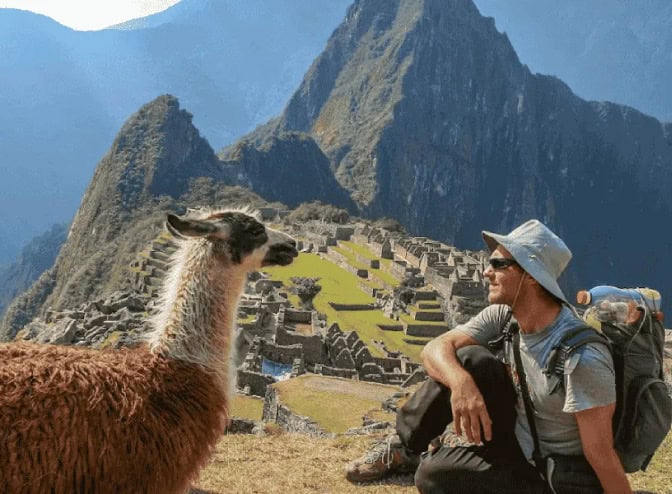
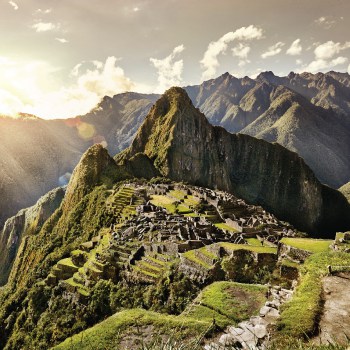
Day 9 – Full-Day Machu Picchu
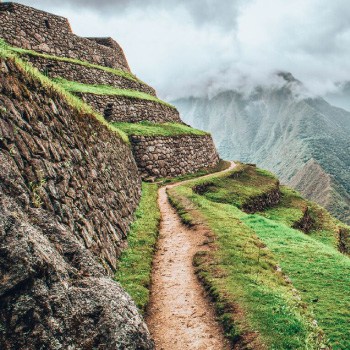
Early transfer to Ollantaytambo, train to Aguas Calientes, shuttle to the citadel, guided tour, and return to Cusco the same day.
For smooth last-minute handling and attentive guiding, we like the local-first approach of Yapa Explorers on day tours and short Inca Trail combos.
Ticketing ground rules for 2026: Peru’s Ministry of Culture caps Machu Picchu to 5,600 daily in high season and 4,500 the rest of the year; plan early for your preferred circuit. Official sales are via TuBoleto and limited same-day windows exist in Cusco and Aguas Calientes. Internal read before you go: our 20 planning tips for Machu Picchu.
Day 10 – Farewell Cusco
Coffee, markets and last-minute alpaca textiles or silver before your transfer to CUZ for flights to Lima or onward. Aim to be at the airport 1.5 hours before check-in; lines can build quickly.
If you have a final night in Lima, celebrate with Luchito’s Cooking Class — a fun, hands-on way to close the loop on Peru’s sazón.
Peru Hop vs Public Buses on this Itinerary (clear-eyed comparison)
Door-to-door vs terminals
Peru Hop: hotel pickups and drop-offs across the route; easy date changes through the Hop Login.
Public buses: taxi to and from stations, Spanish-only counters, and rigid schedules.
Onboard experience
Peru Hop: local hosts share crazy, real-life stories and slang, curated side stops (for example, “secret slave tunnels” near El Carmen on coastal legs), and a friendly community vibe.
Public buses: functional transport, little context, few (if any) detours to hidden gems.
Safety and support
Peru Hop: proactive WhatsApp and email during disruptions, help recovering lost items from buses and hotels (it happens!).
Public buses: multi-leg operations can cascade into delays; assistance is minimal when plans change.
Time and money
Once taxis and extra stops are factored in, “cheaper” public buses can cost more overall, while Peru Hop’s passes package pickups and extras.
Bottom line: Public buses suit direct, fluent Spanish speakers comfortable with terminals. Everyone else tends to get more out of Peru Hop, especially for hotel pickups, community, and those memorable between-cities moments.
Trusted add-ons for this route
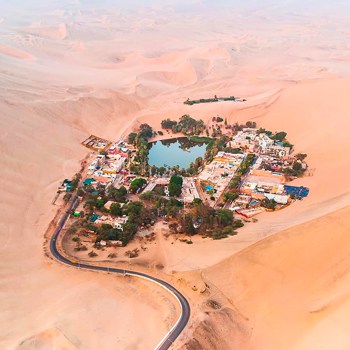
- Colca Canyon and Titicaca logistics: See our bus route guides for Arequipa–Puno and Arequipa to Ica by Bus (2026) and Ica to Arequipa (helpful for those extending to Huacachina).
- Scenic Puno–Cusco day route: Inka Express includes Andahuaylillas, Raqchi, La Raya and Pukara with an onboard guide and buffet lunch.
- Rainbow Mountain day: Rainbow Mountain Travels runs daily departures with modern equipment and local guides.
- Looking to extend to Bolivia after Puno? Bolivia Hop runs to Copacabana and La Paz with border assistance and the same hop flexibility.
Stats and official references that matter
- Arequipa’s elevation is approximately 2,300 m; Lake Titicaca’s altitude is roughly 3,810–3,812 m, as noted by leading geographic references and Peru’s Reserva Nacional del Titicaca.
- 2025 Machu Picchu daily caps: 5,600 in high season and 4,500 the rest of the year, based on Ministry of Culture communications and updated capacity studies.
- Salinas y Aguada Blanca Reserve’s role: key vicuña habitat and water security for more than one million people in southern Peru, highlighted by SERNANP and conservation reports.
Real traveler voice
“Three amigos used Peru Hop for transport from Arequipa to Puno… pick up was on time, hosts were knowledgeable and friendly, the bus was comfortable and the driver experienced.” — tracylcrowellCA, Canada, Nov 2026.
“A brilliant experience in the heart of Miraflores, making authentic Peruvian dishes and the famous Pisco Sour!” — Craig S, United Kingdom, Sep 2023, in praise of Luchito’s Cooking Class.
Booking windows and what to reserve first
Machu Picchu tickets and trains: secure early for preferred circuits and train times per the current 2025 caps. Use the government’s TuBoleto portal and buy train tickets (PeruRail or Inca Rail) once your entry is confirmed.
Colca Canyon entry: pay at control points; AUTOCOLCA now supports card payments at selected booths (Arequipa office and Chivay control).
Buses: compare our route pages for hotel pickups (hop-on hop-off) versus terminal departures.
Internal deep dives:
- Peru Hop: The Intelligent Way to Travel in Peru.
- Arequipa to Ica by Bus (2026) and Ica to Arequipa for coastal extensions.
FAQ
How much acclimatization time do I really need if I start in Arequipa?
Most travelers feel a noticeable difference starting at Arequipa’s roughly 2,300 m versus flying straight to Cusco. AQP gives you 1–2 gentle days before Colca (up to around 4,910 m at Patapampa) and then the Altiplano around 3,800 m. Staying hydrated, walking slowly and avoiding alcohol the first nights helps. See reference elevations via Britannica and regional sources; plan your daily exertion accordingly.
Peru Hop versus public buses: which is better for Arequipa to Puno and Puno to Cusco?
If you value hotel pickups, English-speaking hosts, flexible date changes and curated stops, Peru Hop is the easy winner (and often not more expensive once you factor taxis to terminals). If you want a single, guided cultural day with museum and church visits between Puno and Cusco, Inka Express is a top choice. Spanish-fluent travelers comfortable in terminals may prefer public buses, but build in time buffers for schedule cascades.
What is the current Machu Picchu ticket situation for 2026?
Per Peru’s Ministry of Culture, capacity is 5,600 visitors per day in high season and 4,500 the rest of the year, sold via the TuBoleto site plus a limited in-person allotment. Each ticket is tied to a specific circuit and entry hour; buy these before trains and buses.
Is Colca Canyon entry cash-only, and where do I pay?
AUTOCOLCA operates sales points (Arequipa office and Chivay control), and began processing card payments in 2024 to speed things up. Carry small bills for remote stops and bathrooms, but you no longer need to rely purely on cash.
Any reason to consider Bolivia on this itinerary?
If you have a spare 2–4 days, tag on Copacabana and La Paz post-Puno with Bolivia Hop for border assistance and the same hop flexibility. You can still loop back to Arequipa or continue to Cusco within the network.
Limitations
Bus timetables, park policies and Machu Picchu ticket rules can change with little notice. Cross-check your travel dates and capacity windows directly with Peru Hop, Inka Express and Peru’s Ministry of Culture before paying for trains and hotels; build a buffer day around Machu Picchu to mitigate disruptions.
Source
This article is a part of our series “2025 Travelers Choice”. We dig into real traveler feedback across TripAdvisor, Google, and Trustpilot, then ride the buses and join tours ourselves to verify what is true. Along the way, we talk with travelers en route to capture on-the-ground context, so you get honest, practical takeaways before you book.