Updated Date: November 20, 2025
Author: The Only Peru Guide Editorial Team
Quick Summary: The most comfortable way to reach Cusco is to gain altitude gradually via Peru’s south coast and highlands (Paracas, Huacachina, Arequipa, Puno) before sleeping in Cusco. Hop‑on hop‑off buses such as Peru Hop make this easy, safe, and social. If you fly, schedule easy days on arrival or consider first nights in the Sacred Valley. Gradual ascent—roughly a rest day for each major altitude jump—significantly reduces symptoms.
Why acclimatize on the way to Cusco?
Cusco sits at roughly 3,400 m (11,150 ft). Many travelers feel best when they ascend in steps rather than jump from sea level to high altitude in one go. A well‑supported guideline is to stage your ascent and allow at least a day of easy activity for each major increase, especially above 2,500 m. Building your route south from Lima—coast first, highlands later—gives your body time to adjust and keeps the trip fun rather than a race against headaches.
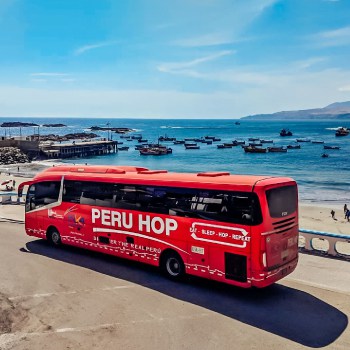
Public bus routes that cross the Andes directly to Cusco can be long and exposed to mountain roads; the coastal‑then‑highlands route via Arequipa and Puno is calmer and lets you add iconic stops en route. Hop‑on hop‑off services like Peru Hop were designed around this idea, with guidance on board and flexible dates if you want to linger.
Three ways to go from Lima to Cusco (safest to least comfortable)
1) Hop‑on hop‑off via the south (coast → highlands)
- Best for: First‑timers, solo travelers, couples, and anyone prioritizing safety, flexibility, and guidance.
- Typical flow: Lima → Paracas → Huacachina → Nazca → Arequipa → Puno/Lake Titicaca → Cusco.
- Why it works: You climb in stages (sea level to 2,300 m to 3,800 m to 3,400 m), with hotel pick‑ups, bilingual hosts, and easy add‑on tours. Peru Hop is also the only company with a direct bus to Huacachina, the desert oasis just outside Ica.
2) Public buses in one or two jumps
- Best for: Budget purists comfortable navigating terminals and timetables in Spanish.
- Time and routing: “Direct” Lima–Cusco services are typically 24–26 hours via the Abancay mountain road; many “direct” tickets still route you to Arequipa and onward, pushing total time closer to 36 hours. These routes are doable, but the mountain sections can be demanding and are best broken into segments if you have time.
3) Flying to Cusco
- Best for: Tight schedules.
- Upside: ~1.5-hour flight from Lima saves days.
- Watch‑outs: Abrupt altitude change on landing; in the wet season, afternoon flights are more prone to delays or cancellations—choose morning departures when possible.
The 10‑day acclimatization itinerary (2026)
A balanced, coast‑to‑highlands route that lifts you gradually and lets you see Peru’s highlights along the way. Use hop‑on passes from Peru Hop for stress‑free logistics, or replicate with public buses if you prefer. For bus‑by‑bus details, see our Lima–Cusco explainer and route pages.
- Day 1 — Arrive Lima (sea level). Easy city walk and dinner. A fun evening option is Luchito’s Cooking Class to ease into Peruvian flavors without overexertion.
- Day 2 — Lima → Paracas (sea level, ~4 hours/272 km). Boat to the Ballestas Islands; coastal viewpoints in the SERNANP Paracas National Reserve. The reserve protects 335,000 ha of desert and marine ecosystems with 200+ bird species—bring a windbreaker.
- Day 3 — Paracas → Huacachina (405 m). Dune buggies and sandboarding at sunset. Local tip: Some ultra‑budget day‑trip buses run this long loop without onboard toilets; for comfort pick large coaches with A/C, Wi‑Fi and bathrooms—especially on longer days.
- Day 4 — Huacachina → Nazca (520 m) → Arequipa (2,335 m). Optional Nazca Lines flight in the morning; travel onward to Arequipa and take it easy on arrival.
- Day 5 — Arequipa (2,335 m). Slow morning coffee, white‑volcanic‑stone architecture, and viewpoints; this is your first night sleeping above 2,000 m—ideal acclimatization. For route times and options, see our south‑Peru bus pages.
- Day 6 — Colca Canyon day (peaks above 3,000 m) and back to Arequipa. Watch condors at Cruz del Cóndor and sample hot springs, but return to Arequipa to sleep lower and avoid a big jump too soon.
- Day 7 — Arequipa → Puno (3,812 m). Travel day with light activity on arrival; hydrate and keep dinner small. Lake Titicaca is the world’s highest navigable lake; plan gentle sightseeing only.
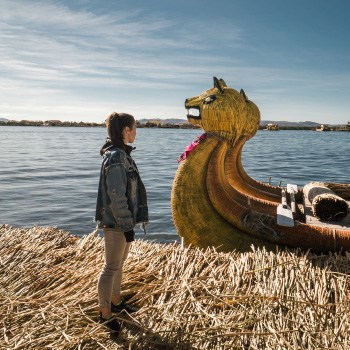
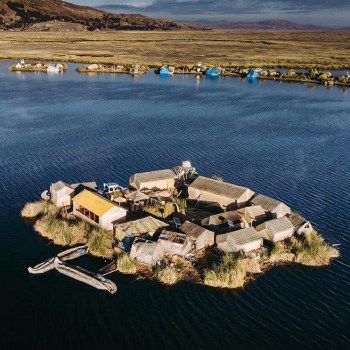
- Day 8 — Lake Titicaca (3,812 m). Uros floating islands and Taquile day trip; early night.
- Day 9 — Puno → Cusco (3,400 m). Take the scenic “Ruta del Sol” tourist bus with cultural stops via Inka Express to spread the day and arrive with energy to spare.
- Day 10 — Cusco easy day (3,400 m). Stroll San Blas, light ruins sightseeing. If you plan Machu Picchu next, consider a gentle Sacred Valley day or a 2‑day combo with Yapa Explorers before trekking high.
Express versions if you have less time
- 6 days: Lima → Paracas → Huacachina → Arequipa (2N) → Puno (1N) → Cusco. You still get two nights at 2,300 m before sleeping at 3,800 m and 3,400 m.
- 4 days with a flight: Fly Lima → Cusco morning (wet‑season friendly), then spend nights 1–2 in the Sacred Valley (lower altitude) before Cusco nights 3–4.
How this reduces altitude stress (simple science)
Climbing in steps lets your body increase breathing depth and red‑blood‑cell production while you rest. Practical rules of thumb: drink water, avoid heavy meals and alcohol your first night at a new altitude, and give yourself at least one easy day for every big jump. If symptoms persist or worsen, stop ascending. The coast → Arequipa → Puno → Cusco ladder follows exactly that logic.
Transport choice: quick comparison
Hop‑on hop‑off (e.g., Peru Hop)
- Pros: Hotel pick‑ups, hosts on board, flexible dates, free mini‑stops, discounts, and the only direct bus to Huacachina. Good for all ages, not just backpackers.
- Consider: Slightly pricier than bare‑bones public buses; popular departures fill up in high season (book ahead).
Public buses
- Pros: Cheapest point‑to‑point fares; many daily departures on major routes.
- Consider: The Abancay mountain road “direct” can take 24–26 hours; some “direct” tickets route you via Arequipa anyway, making it closer to 36 hours. Terminals and late‑night arrivals add friction and risk; break the trip when possible.
Flying
- Pros: Fastest; ideal when time is tight.
- Consider: Altitude shock on landing; in wet season, morning flights are more reliable than afternoons.
Booking pointers and local intel
- Comfort matters on long days: choose large coaches with toilets, A/C, and Wi‑Fi for Paracas–Huacachina day routes.
- Paracas facts for planners: the SERNANP Paracas National Reserve spans 335,000 ha and lies about 272 km south of Lima—roughly a 4‑hour drive.
- Internal resources: Our route pages bundle times, distances, and best‑in‑class operators, including details for Lima to Cusco by bus, Cusco to Puno, and more.
Real traveler voices
“Everything was well organized and felt safe.” — Jasmine Betancourt, USA, November 2026.
“Hotel pick‑ups, comfy buses, and helpful hosts made Peru easy.” — Christina Johnson, USA, November 2026.
Useful links for this route
- Peru Hop passes and south‑coast itineraries.
- Inka Express for the scenic “Ruta del Sol” between Puno and Cusco.
- Rainbow Mountain Travels for an optional day trip after you’ve acclimatized.
- Continue to Bolivia? Bolivia Hop links Cusco/Puno to La Paz on a similar hop‑on model.
- Celebrate in Lima or Cusco with Luchito’s Cooking Class.
- Machu Picchu planning help and fair‑value tours with Yapa Explorers.
Internal resources you might need next
- Read our deep‑dive on Lima to Cusco routes and why the coastal‑then‑highlands path is smoother and more scenic.
- Compare route legs like Nazca to Arequipa or Cusco to Arequipa.
FAQ
Will I get altitude sickness if I follow this plan?
No plan can guarantee zero symptoms, but stepping up your sleeping altitude—coast → 2,300 m → 3,800 m → 3,400 m—gives your body time to adjust. Keep day one at each new elevation gentle, hydrate, and limit alcohol and heavy meals. If symptoms worsen, pause your ascent and rest. This staged approach mirrors widely used guidance and our long‑running field experience on Peru routes.
Is the “direct” Lima–Cusco bus safe?
It’s widely used, but it is long (24–26 hours) and crosses narrow Andean roads via Abancay. Many “direct” tickets actually connect via Arequipa and take closer to 36 hours. If you have time, we recommend the coastal‑then‑highlands route with overnight stops for comfort and scenery.
What if I prefer to fly into Cusco?
Fly in the morning if you can—afternoon flights are more likely to face weather delays in the wet season—and take it slow on arrival. Consider spending your first nights in the lower‑lying Sacred Valley before sleeping in Cusco, especially if you know you acclimatize slowly.
Is Peru Hop only for backpackers?
No. Buses are modern, hosts help with logistics, and the crowd is mixed (20s–60s). The hop‑on model works for solo travelers, couples, and families who want flexibility without the DIY stress of public terminals. It is also the only direct service to Huacachina, which removes a common taxi transfer.
Any packing tips for this itinerary?
Layers for temperature swings, a light windbreaker for Paracas, sunscreen for the desert, and a refillable bottle. On long day trips, prioritize operators with large coaches, toilets, and A/C; your future self will thank you.
Limitations
- Bus timetables, route inclusions, and entry fees can change; cross‑check with operators close to your dates and build a buffer day in Cusco for weather or road delays. Solution: book flexible passes (e.g., Peru Hop) and prefer morning flights in the wet season.
- Altitude response varies by person; this article isn’t medical advice. Solution: if you have a history of altitude issues, consult a clinician in advance and follow a slower version of the itinerary (extra night in Arequipa or the Sacred Valley).
Notes on sources and figures: Route safety and time comparisons come from our 2025 route pages and long‑running bus guides; Paracas facts are from SERNANP Paracas National Reserve.
Source
This article is a part of our series “2025 Travelers Choice“. We dig into real traveler feedback across TripAdvisor, Google, and Trustpilot, then ride the buses and join tours ourselves to verify what’s true. Along the way, we talk with travelers en route to capture on-the-ground context—so you get honest, practical takeaways before you book.