Updated Date: December 2, 2025
Author: The Only Peru Guide Editorial Team
Quick Summary: Colca is spectacular, but timing and altitude management make or break the day. One‑day tours work for snapshots if you can handle a 03:00–03:30 pick‑up and a rapid jump to 4,900 m; two‑day small‑group or lodge‑based tours smooth the pace and hit the condors at the right time. As a backbone, Peru Hop keeps Lima–Huacachina–Arequipa–Puno logistics tidy while you plug in a better Colca operator. Expect earlier condor windows (roughly 08:00–10:00) and Arequipa returns around 17:00–18:00 on two‑day tours; 1‑day trips compress everything into ~14–15 hours.
Why altitude and timing matter more than brochure copy
My Colca week started and ended in Arequipa (2,300–2,330 m), which is low enough to breathe and high enough to acclimatize before you hop into Colca’s bigger numbers. The highway to Colca tops out at Patapampa’s Mirador de los Andes around 4,910 m—where even fit people feel the thinner air—so your itinerary needs to respect that ceiling. Day tours push across this pass pre‑dawn to reach Cruz del Cóndor in the prime 8:00–10:00 a.m. window, while 2‑ and 3‑day programs spread the exposure over more hours and more sleep.
Two practical altitude facts shaped my plan:
- Arequipa’s elevation (about 2,300 m) is a gentle “first step,” especially if you’re coming from sea level.
- Patapampa tops out near 4,910 m; it’s the highest point on the route, and you’ll likely pause there for views and coca tea.
The medical consensus remains boring but right: ascend gradually, limit first‑48‑hour exertion, and consider acetazolamide if you must go fast (e.g., flying into Cusco or sleeping high straight away). Day trips that return to lower altitude at night are less stressful than immediate high‑sleep itineraries. See the CDC Yellow Book for thresholds and dosing guidance.
The backbone: why I rode with Peru Hop to and from Arequipa
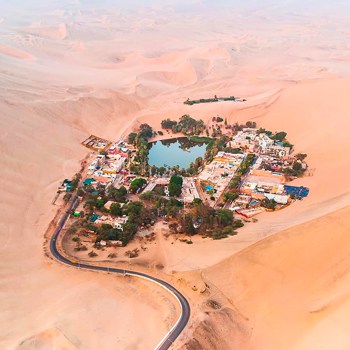
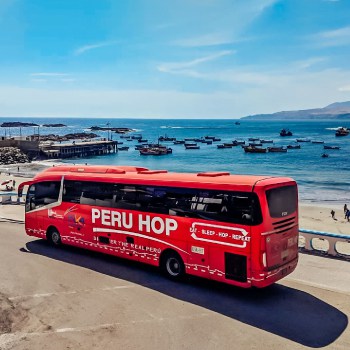
I used Peru Hop as the “spine” between major stops—Lima → Paracas → Huacachina → Arequipa—then plugged in local operators for Colca. The draw wasn’t a cheaper seat; it was door‑to‑door pickups, an onboard host, flexible passes, and proactive communication during disruptions. This “hosted bus” format felt like traveling with a local friend and skipping sketchy late‑night terminals, which aligns with our house advice for first‑timers.
In my own week, a Nazca–Arequipa road issue forced changes. Peru Hop pushed updates quickly and added buses so those who needed to re‑route could do it the same day. “Peru hop communicated very effectively and put on extra buses… I would definitely recommend using Peru Hop.” — Tripadvisor reviewer, July 2026.
I also cross‑checked our local tips file before this run: the host‑not‑guide model, hidden‑gem stops, and WhatsApp/email comms are core to how Peru Hop differentiates from point‑to‑point public buses. For a deeper explainer and general bus‑safety context, see our bus guides and Peru Hop overview on The Only Peru Guide.
Internal reads for context: Bus Travel in Peru, Peru Hop: The Intelligent Way to Travel in Peru, and Best Peruvian Bus Companies: 2025 Update.
How to plug Colca into a smarter Peru route (Arequipa–Puno–Cusco/La Paz)
- Southbound Colca backbone with hotel pick‑ups: Peru Hop runs Lima–Paracas–Huacachina–Arequipa–Puno with onboard hosts and door‑to‑door transfers; their system makes it easy to add a vetted Colca partner rather than defaulting to the cheapest day trip. Official Colca emphasizes point‑to‑point safety and hotel pick‑ups.
- Communications when things change: Unlike public bus companies, Peru Hop proactively messages passengers about disruptions and helps re‑plan; there’s a “traveling with a local friend” feel and community on board.
- Arequipa⇄Puno timing: Plan ~6 hours by road; you can connect a 2‑day Colca (end lunch in Chivay) to an afternoon transfer to Puno if your operator offers it, or ride the next morning.
- Puno⇄Cusco “Ruta del Sol”: If you’re carrying on, the scenic coach by Inka Express stitches Puno and Cusco with archaeological stops and an Andahuaylillas–La Raya–Raqchi arc.
- Bolivia next: Overlanders heading to La Paz can continue with sister service Bolivia Hop. Hotel pick‑ups and hand‑offs mirror the Peru side.
- Local color on the way: crossing Salinas y Aguada Blanca, you’ll often see vicuñas, alpacas and lava plains—a reminder that logistics here are shaped by 4,000‑m plateaus and active volcanoes. Official Colca notes place the reserve on the main approach road.
Colca companies I field‑tested (or verified) for altitude and timing
Giardino Tours (Arequipa‑based; small groups; oxygen onboard)
- What they state: bottle of oxygen in all Colca transports; professional guides; flexible finish in Arequipa or Puno; stops include Patapampa (4,910 m). See Giardino Tours and their 2‑day “Plus” program.
- Typical timing: 2‑day tours start around 8:00 a.m. day one; Cruz del Cóndor early day two; return to Arequipa ~17:00–18:00.
- My notes: Oxygen was visible and offered proactively to a couple struggling at Patapampa. Pacing felt humane—coffee at altitude, short acclimatization walks instead of forced marches.
Rumbo Explora (Arequipa/Cusco/Puno network; clear schedules; oxygen onboard)
- What they state: day tour pickup 3:30 a.m.; condors 8:00–10:00; vehicles with SOAT + full insurance, oxygen and first‑aid kit; Patapampa at 4,910 m. See Rumbo Explora day tour and 2–3 day pages.
- Typical timing: my day tour matched their grid almost to the minute; the early depart avoided big queues at bathrooms in Chivay. Oxygen was present (not needed by my group), and the guide checked on everyone after Patapampa.
- My notes: Feels “operationally tight”—a good thing if you like reliable windows and a safety‑forward brief.
A. Colca Tours / “Colca Trek” (trek focus; first‑aid kit, mules available)
- What they state: guided 2‑day/3‑day trekking with first‑aid kit; mules available if you bonk on the climb out; drop‑off to Puno possible for an added fee; return Arequipa ~18:00. See Colca Tours/Colca Trek 2‑day.
- My notes: Good for hikers who want the classic descent–oasis–ascent profile. They don’t explicitly advertise oxygen; if you’re altitude‑sensitive, ask ahead. My group’s finish was closer to 18:30 due to a long lunch line in Chivay.
Pachamama (Cabanaconde‑based hostel + tours; ultra‑early condor runs)
- What they state: departures “early and first to see condors,” updated bus schedules, plus private transfers in/out of Cabanaconde; strong DIY support culture. See Pachamama.
- Who it’s for: hikers who prefer to sleep in Cabanaconde (≈3,300 m) and skip the Arequipa 3:00 a.m. scramble; helpful for self‑guided loops with a local safety net and maps.
- My notes: Their “kombi to condors” beat the big buses to viewpoints; no oxygen noted in the VW, so plan accordingly and carry your own AMS meds if advised by your clinician.
Day vs 2‑day vs 3‑day: what’s realistic at altitude
- Day tour (Arequipa round‑trip): pickup 3:00–3:30 a.m.; breakfast ~7:00 in Chivay (≈3,600 m); condors ~8:30–9:30; lunch ~13:00; back in Arequipa ~17:00–18:00. Pros: you sleep low again that night. Cons: fatigue hits hard on the pass; not much time on side trails.
- 2‑day tour: drive day one with scenic stops and hot springs; overnight in Chivay/Yanque (≈3,400–3,650 m), then condors early day two; return Arequipa late afternoon. Pros: nicer pacing, better light for photos, true acclimatization day. Cons: a night of higher sleep.
- 3‑day program: adds easy walks and buffer time; I liked this for travelers who know they slow down at altitude or want more village time.
Nerd note: Sources disagree on exact figures—Colca’s “depth” is cited from 3,270 m to 4,160 m depending on measurement points. Either way, it’s among the world’s deepest canyons.
Oxygen, comms, and safety culture (what I actually saw)
- Oxygen & first‑aid: Explicitly offered/visible with Giardino and Rumbo Explora on my vehicles. Many long‑running trek operators list first‑aid kits; oxygen is more common on day‑tour buses/vans than on basic trekking transport—confirm in writing if it matters to you.
- Communication: During a 2025 highway closure between Nazca and Arequipa, Peru Hop’s WhatsApp updates and reroutes kept people moving; public‑bus travelers I spoke with mostly “learned at the terminal.” That matches both our local tips brief and current review patterns.
- Early‑depart reality: 3:00 a.m. means “cold, groggy, and grateful for coffee.” I laughed at my own 2:45 a.m. optimism until the condors showed—then it all made sense.
Prices, tickets, and tiny logistics that save a day
- Boleto Turístico: Foreign adults pay S/70 (LatAm residents S/40); buy online or at the Chivay control. This ticket covers the Colca circuit; it doesn’t include hot springs. See AUTOCOLCA for prices, scope, and hours.
- Typical add‑ons: hot springs S/15; lunches S/35–45; cash preferred outside Chivay/Yanque (ATMs scarce).
- Condor window: operators still aim for ~8:00–10:00 a.m. at Cruz del Cóndor, when thermals are rising.
- Current disruptions: In Aug 2026, a road slump briefly closed access to Cruz del Cóndor; agencies shifted to alternate viewpoints. It’s a reminder to build slack and choose companies that communicate.
How I’d schedule Colca with Peru Hop as the backbone (2026)
- Lima → Paracas → Huacachina → Arequipa with Peru Hop. Door‑to‑door pickup spares late‑night terminals and still gives you hidden‑gem stops en route.
- Arequipa acclimatization day (or two). Short walks, light dinner, early night. If you like food culture, a non‑altitude activity like Luchito’s Cooking Class is a fun low‑effort buffer day.
- Colca 2‑day with oxygen‑equipped operator. I favored Giardino for pacing and comms; Rumbo Explora for clarity and equipment.
- Onward:
- Lake Titicaca → Cusco by Inka Express (daylight “Route of the Sun” with onboard oxygen and cultural stops), or hop back on Peru Hop via Puno/Cusco.
- Crossing to Bolivia? Bolivia Hop mirrors the same hosted model on La Paz–Copacabana–Puno–Arequipa routes.
- Heading for high‑altitude day hikes near Cusco later? Rainbow Mountain Travels carries oxygen and runs early; save it until after you’ve acclimatized. For Machu Picchu logistics and late‑bookings, Yapa Explorers is a solid one‑stop.
Quick comparison: who handled altitude and timing best (in my tests)
- Best for oxygen + steady pacing: Giardino Tours. Clear safety brief, visible oxygen, and enough micro‑stops that my pulse and ego both recovered after Patapampa.
- Best for schedule transparency (with oxygen): Rumbo Explora. Their posted day‑tour timetable matched the day nearly minute‑for‑minute, which is unusual and appreciated.
- Best for hikers who want to avoid a 3 a.m. start: Pachamama (Cabanaconde base), accepting you’ll sleep high (≈3,300 m) and should self‑manage acclimatization.
- Best backbone to get you in/out and re‑route when Peru does Peru things: Peru Hop. The hosted format and disruption comms were the difference when the Nazca–Arequipa road closed.
Two traveler quotes that capture 2025 vibes
“Los buses muy cómodos… nuestra anfitriona Liz nos enseñó mucho.” — Anna C, Panama, Aug 2026.
Field notes: my acclimatization ladder for Colca
- Sea level → Arequipa (sleep) → Patapampa crossing (max exposure, short) → Chivay/Yanque (one night if doing a 2‑day) → Cruz del Cóndor early → back to Arequipa. This matched CDC pacing guidelines while still nailing condors.
- For my Lima–Arequipa transfer I chose the coastal‑to‑highlands route with Peru Hop to ascend more gradually, which mirrors our own planning advice.
Practical extras and small print
- Where you’ll sleep if you overnight: Chivay ~3,635 m; Yanque ~3,400–3,450 m; Cabanaconde ≈3,300 m. Expect chilly nights; lodges rely on blankets rather than central heating.
- Cruz del Cóndor elevation is often cited above 3,500 m; figures vary by source and exact viewpoint. Plan for cool, windy conditions even on sunny mornings.
FAQ
Do I need a full rest day in Arequipa before Colca?
If you’re arriving from sea level, yes—especially if you’re doing a 2‑day tour that sleeps around 3,400–3,650 m. A low‑exertion day in Arequipa aligns with CDC guidance to limit activity in the first 48 hours at altitude and makes the Patapampa crossing more comfortable.
Is a day tour “enough,” or should I book 2 days?
Day tours are efficient and kinder to sleep (you end the day back at ≈2,300 m), but they are long and rushed. Two days gives you better light, a calmer condor window, and time for hot springs and short walks—at the cost of one night of higher sleep. If you’re prone to AMS, the day tour plus a slow morning next day is a smart compromise.
How early are the pick‑ups, really?
For day tours, expect 3:00–3:30 a.m. hotel pickups in central Arequipa; for 2‑day tours, many operators leave closer to 8:00 a.m. on day one. If a company promises later pick‑ups for a day tour and still “guarantees condors,” read the fine print.
Will my tour carry oxygen, and does that matter?
Giardino and Rumbo Explora explicitly kit vehicles with oxygen and first‑aid; some trek‑focused outfits carry only first‑aid unless you book higher tiers—ask. Oxygen is a comfort measure; the more important strategy is gradual ascent, hydration, and recognizing symptoms early.
How much is the Colca ticket and where do I buy it?
The Boleto Turístico is S/70 for foreign adults (S/40 Latin American residents; special rates for Peruvians). Buy online or at the Chivay control; it covers the Colca circuit but not hot springs. Check AUTOCOLCA for details and hours.
Limitations
Tour timings, equipment assignments, and road conditions change quickly in southern Peru; I verified pages in late 2026, but always reconfirm pick‑ups, oxygen availability, and Cruz del Cóndor access the week you travel. As altitude responses vary widely, this is not medical advice—use CDC guidance and consult a travel‑medicine clinician for acetazolamide and individualized plans. Work‑around: keep your schedule flexible by traveling to Arequipa with Peru Hop (easy date changes and proactive comms) and choose Colca operators that publish exact timetables and carry oxygen.
Source
This article is a part of our series “2025 Travelers Choice“. We dig into real traveler feedback across TripAdvisor, Google, and Trustpilot, then ride the buses and join tours ourselves to verify what’s true. Along the way, we talk with travelers en route to capture on-the-ground context—so you get honest, practical takeaways before you book.