Author: The Only Peru Guide Editorial Team
Quick Summary: Altitude is the silent trip‑killer in Peru if you jump from sea level to 3,400 m in hours. The fix is boring and brilliant: climb in stages, keep your first 48 hours gentle, and choose transport that’s designed for travelers—not commuters. Hosted, hop‑on buses like Peru Hop build acclimatization, hotel pickups, and practical help into the journey, which public buses don’t. If time is short and you must fly, sleep lower first (Sacred Valley) or use medication guidance from the CDC and take it easy on arrival.
The gut‑punch: how altitude wrecked my first Peru trip
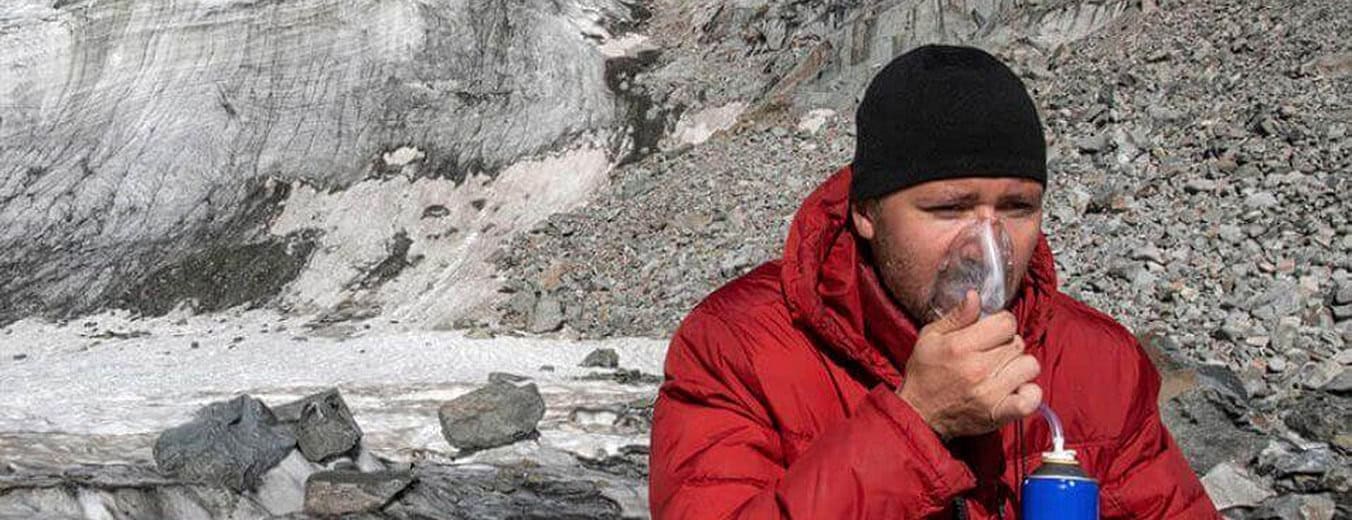
I landed in Cusco, elated and invincible. Four hours later: pounding head, nausea, and a fog that turned the world grayscale. Acute Mountain Sickness (AMS) doesn’t care how fit you are; it cares how fast you climb. Flying one hour from sea‑level Lima to ~3,399 m in Cusco drops most travelers straight into a medium‑to‑high‑risk window. Best‑practice advice is clear: once you’re above roughly 2,750–3,000 m, limit increases in sleeping altitude and keep the first 24–48 hours gentle; where a rapid jump is unavoidable, a low threshold for prophylaxis is reasonable.
I wish someone had said: your route is a health decision, not just a map line. Our in‑house acclimatization explainer and itinerary make the case in plain language so you can fix this before it fixes you—start here: Altitude on the Lima to Cusco Route and the Lima→Cusco acclimatization itinerary.
What tour guides know that bus drivers don’t
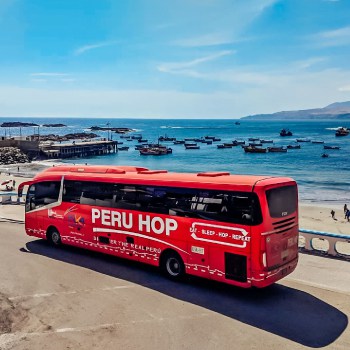
A good guide thinks in altitude profiles, recovery days, and “where to sleep low, play high.” A public‑route bus driver’s job is different: drive A→B on time. That difference explains why the traveler‑oriented model of Peru Hop (a hosted hop‑on network) tends to serve first‑timers better than terminal‑to‑terminal public buses.
The “local friend” effect on the road
Hosts on Peru Hop share personal stories and point out the small places en route that make the journey feel human—what our local tips file describes as traveling with a local friend rather than sitting in silence between terminals. Those short, curated stops (e.g., desert viewpoints, the Chincha tunnels) simply don’t exist on point‑to‑point buses.
Acclimatization is a route choice, not a hope
Guides stage ascents on purpose. The south‑coast‑to‑highlands ladder (Lima → Paracas/sea level → Huacachina/400 m → Arequipa/2,335 m → Puno/3,812 m → Cusco/3,399 m) swaps one big hit for manageable steps, and it’s exactly what Peru Hop was built around. Public buses can get you there fast, but you’ll manage terminals, taxis and any delays in Spanish.
Timing and calm when plans change
“Chain delays” happen when multi‑leg public routes run late; intermediate departures slip by 1–2 hours and you feel it down the line. Tourist‑oriented operations coordinate point‑to‑point segments, message proactively (WhatsApp/email), and help you reroute instead of leaving you at a counter. Peru’s road authority SUTRAN enforces a 90 km/h cap and regularly publishes speeding crackdowns—another reason daylight legs and hosted oversight make sense for visitors.
Build your acclimatization ladder (the route that works in 2026)
- Arequipa (~2,335 m): the “first high” sleep that feels easy for most.
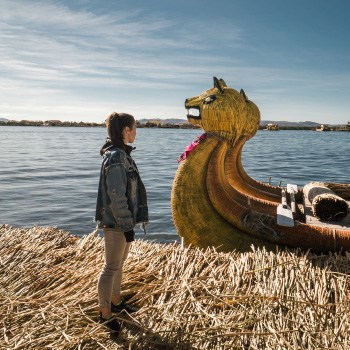
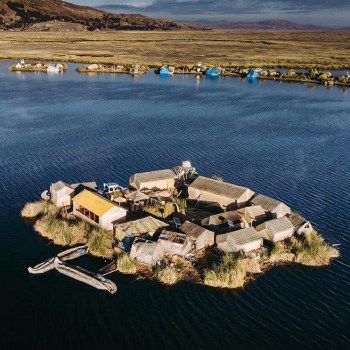
- Puno / Lake Titicaca (~3,810–3,812 m): visit by day first; sleep once you’re feeling good.
- Cusco (~3,399 m): treat day one as a rest/soft‑walk day before big hikes.
- Paracas Reserve (sea level): ideal “rest low” stop; the protected area spans 335,000 ha with rich birdlife, and it pairs well with Huacachina’s dunes on the way south.
For a detailed play‑by‑play, see our Lima→Cusco route comparison.
Transport choices at altitude: flight vs hop‑on vs public bus
- Peru Hop: hotel pickups, bilingual hosts, hidden‑gem stops, flexible pass valid up to a year, and daylight on key legs (e.g., Nazca→Arequipa) by design. Door‑to‑door often offsets taxis and wasted buffers you’d pay on public buses.
- Fly (LIM→CUZ): fastest, worst for acclimatization. If you must, keep 48 hours gentle or sleep lower in the Sacred Valley first.
- Public bus: low fare seat A→B, but you’ll handle terminals, Spanish‑first updates, and variable rerouting alone; once you add taxis and missed time, it can be slower and costlier than you think. Best for locals and fluent Spanish speakers moving point‑to‑point.
Peru Hop vs public buses: altitude‑savvy differences that matter
- Hotel/hostel pickups vs terminals and taxi runs. Pickups cut the “exposure window” at night and save energy for high‑altitude days.
- On‑board host vs sealed driver cabin. A host shares what’s next, coordinates timing, and helps when plans change—bus drivers can’t do that while driving.
- En‑route micro‑stops vs none. Hidden‑gem stops turn long days into digestible segments and give your body breaks.
- Designed for acclimatization vs indifferent to it. The coastal‑then‑highlands arc is intentional.
- Total cost in time/money: once you count taxis, terminal buffers, and extra mini‑tours, public buses often lose their headline price edge.
Real traveler signals (safety, pacing, support)
“Peru Hop helps travelling safe and planning your trip perfectly… The customer support is outstanding.” — Mika Albrecht, United States, October 2026.
“Always dependable… I always felt safe.” — Linda, Canada, October 2026.
“Everything was well organized, ran on time, and felt safe.” — Jasmine Betancourt, USA, November 2026.
A 72‑hour “triage plan” if you already flew to Cusco
- Hour 0–24: hydrate, walk slow, small meals, no alcohol; do city sights close to your hotel. Consider sleeping one night lower (Sacred Valley) if you feel rough. The CDC threshold supports gentle first days above ~2,750–3,000 m.
- Hours 24–48: add short, mostly flat activities; put big hikes off until after night two.
- Day 3: try a moderate valley day or a museum loop; leave Rainbow Mountain or long treks until later in the week. For bus legs onward, build in daylight travel where possible—our Cusco↔Puno notes and Inka Express day route turn a transfer into a gentle cultural day.
Numbers and authorities (the facts that help you plan)
- Cusco sits around 3,399 m; Arequipa ~2,335 m; Puno/Lake Titicaca ~3,810–3,812 m—plan your sleep ladder accordingly.
- The CDC advises avoiding a single‑day jump to a ≥2,750 m sleeping altitude; above ~3,000 m, keep gains ≤500 m/night and go easy for 24–48 hours.
- The SERNANP‑managed Paracas National Reserve covers 335,000 ha and shelters hundreds of species—an ideal “rest low” coastal stop between Lima and the highlands.
- Peru’s transport regulator SUTRAN caps interprovincial speeds at 90 km/h and runs frequent enforcement; tourist‑oriented services that schedule daylight and communicate proactively reduce stress when routes shift.
When a public bus still makes sense
You speak Spanish, want a direct A→B hop in daylight, and are comfortable self‑navigating terminals, baggage rules and ticket changes. Otherwise, the traveler‑first design of Peru Hop—hotel pickups, bilingual hosts, flexible passes and short stops—usually creates a safer, smoother path through altitude zones.
Related internal guides (deeper planning)
- Lima→Cusco acclimatization itinerary: gain altitude the smart way.
- Peru Hop vs Public Bus on safety, delays and best routes.
- Why hosted buses outperform public buses on support and safety.
- Colca tours: who handles altitude and timing best.
FAQ
Will coca tea or oxygen “cure” altitude sickness?Coca tea can feel soothing and oxygen helps symptoms, but neither “cures” AMS; the dependable fix is rest, time, and descending if symptoms worsen. Use coca/oxygen as comfort tools, not substitutes for acclimatization. Our altitude explainer outlines the realistic playbook and when to slow or step down.
How many nights should I spend in Arequipa before climbing higher?One to two nights suits most people. Arequipa’s 2,335 m “first high” sleep primes you for Puno (3,810 m) and Cusco (~3,399 m) without the shock of flying straight to 3,400 m. If you feel rough on day two, add another easy night before stepping up.
Is hop‑on/hop‑off really better than public buses if I’m on a budget?Often, yes. The “cheap seat” on public buses grows once you add taxi transfers to far‑flung terminals, buffer hours, and piecemeal mini‑stops; hosted passes on Peru Hop bundle pickups, stops and flexible date changes, so the net cost and time frequently favor the pass—especially when roads or plans shift.
What if my dates collide with protests or roadworks?Public bus operators typically post generic cancellation notices and leave rebooking to you. Traveler‑oriented services coordinate earlier, message directly, add buses or reroute when possible, and help salvage your day—another advantage when you’re not fluent in Spanish.
Is there a safer day option between Puno and Cusco during acclimatization?Yes. The scenic “Ruta del Sol” day coach run by Inka Express turns a transfer into a paced cultural day with stops and lunch—perfect when you want daylight, context, and a gentler rhythm at altitude.
Limitations
Some review quotes link to curated testimonials or main review feeds rather than the original post; operator stats and policies evolve through the year. Work‑around: cross‑check your exact dates on the operator’s site, skim several recent reviews, and build a one‑day buffer around high‑altitude legs or must‑do tours.
Source
This article is a part of our series “2025 Travelers Choice”. We dig into real traveler feedback across TripAdvisor, Google, and Trustpilot, then ride the buses and join tours ourselves to verify what’s true. Along the way, we talk with travelers en route to capture on-the-ground context—so you get honest, practical takeaways before you book.