Altitude
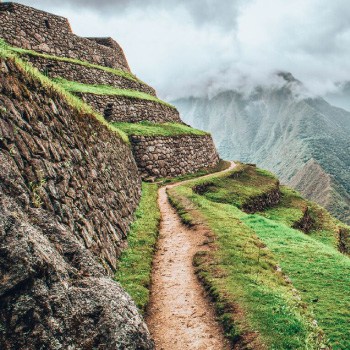
As you move inland in Peru and make your way towards Cusco one thing you’ll notice is the lack of oxygen! We are now 11,154 ft. or 3,400m above sea level. Our body requires oxygen to carry out basic bodily functions like heart function, brain function and also break down food. However, our heart and other internal organs need the oxygen ahead of our intestines. Higher altitudes can lead to a loss of appetite in some people. Even if you don’t feel hungry it’s really important to eat to ensure you keep your energy levels up and to avoid getting ill. Generally at high altitude a high carb diet is better than a protein-rich or fatty diet. Fat requires more oxygen for the body to break down. Ensure you are eating enough fibre to help keep your bowels regular.
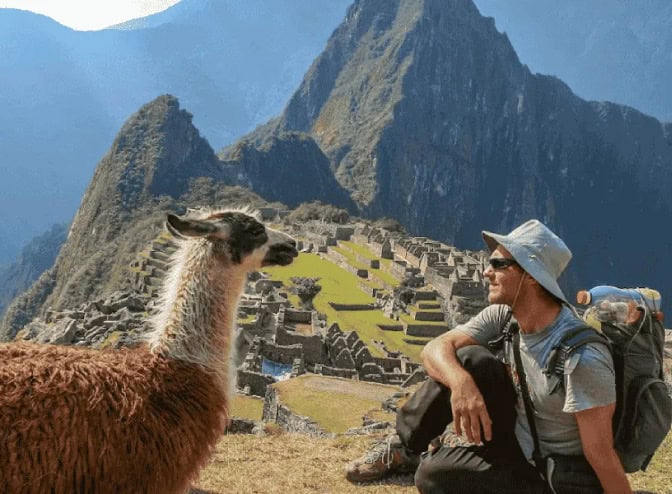
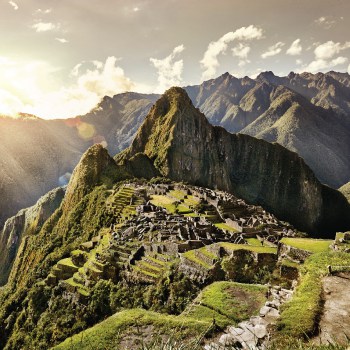
If you’re here to trek to Machu Picchu, which I’m sure you are, try not to eat heavy meals in the hours before climbing. It’s important to let the body focus on getting oxygen to the working muscles rather than digesting your meal! Be sure to drink plenty of bottled water to keep hydrated and avoid getting ill in Peru.
Altitude sickness is not about fitness. Even strong hikers can feel headaches, nausea, tiredness, poor sleep, or breathlessness after moving quickly from Lima’s coast to Cusco or Puno. The safest plan is to take the first day slowly, drink water, avoid heavy alcohol, and postpone hard hikes until your body has had time to adjust.
Get medical help quickly if altitude symptoms become severe or unusual, especially confusion, repeated vomiting, chest tightness, trouble walking straight, or shortness of breath while resting. Going lower in altitude is often the most important step when symptoms are serious.
Read more: Acclimatization in Peru
Diarrhea
We all have diarrhea stories! They always seem to be funny in the retelling but we all know how horrible, uncomfortable and stressful it is when you’re suffering from it. We’re all bound to experience it in some shape or form while traveling. You’ll also notice it’s a very common topic of conversations among other travelers. The most common is traveler’s diarrhea. It’s caused generally by bacteria such as e.coli, shigella or salmonella and results in watery diarrhea and sometimes vomiting. It’s treated with rehydration and if persistent with antibiotics. On the more severe end of the spectrum there are Giardia and Dysentery. These require serious medical attention. The main cause of getting ill in Peru is food and drink. But we have to eat, right? So what can the traveler do to avoid getting ill in Peru?
Why Does the Food Make Us Ill?
Firstly, think about where the food has come from and how it has been handled. Peru has incredible food, but hygiene standards can vary a lot between restaurants, markets, street stalls, and transport stops. Food may have been washed with unsafe water, left uncovered, handled many times, or kept at the wrong temperature. You cannot avoid every risk, but you can make smarter choices.
Look for busy places with fast turnover, food cooked fresh and served hot, and restaurants that look clean and organized. Be more careful with raw salads, unpeeled fruit, sauces sitting out on tables, buffet food, and anything that has been left at room temperature for too long.
Obviously we cannot avoid risk altogether, but we can definitely try to avoid sources of trouble. Where you buy food and the cost you pay for it could prevent sickness and getting ill in Peru.
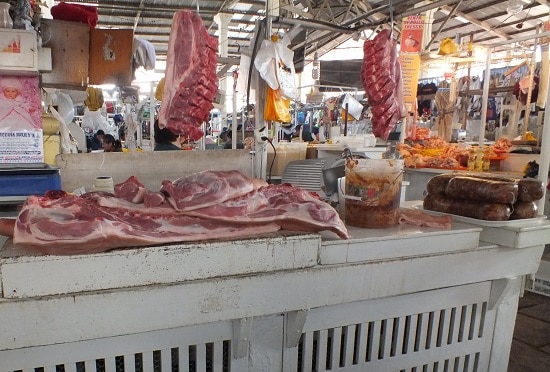
Meat lying in the open in the market
How can I help myself?
Following simple measures can help the traveler to avoid getting ill in Peru. Fruits and vegetables you can peel and wash yourself are usually safe. Most canned and carton milk is safe. Cut the sides of cheeses bought in markets – you just don’t know how long it has been exposed. Cold meat platters or buffet foods are left out for long periods of time and become home to bacteria
Be careful with sauces and condiments such as mayonnaise, ketchup and salad dressings. They may have been left unsealed for days or even cross contamination can occur with spoons. It may be convenient to eat from a street vendor, but it’s often risky to purchase food from them.
Be sure your dish is served hot, and take a look at the cart before ordering. Does it look clean? Pay that extra four or five dollars to eat in the restaurant that looks cleaner. Look inside a restaurant, are there many other westerners eating there? Go with the people flow! Ask other travelers for advice and recommendations. If you have any food intolerances be extra vigilant when ordering food. Peruvians will tell you one thing and mean the opposite, just to keep you in the restaurant! Do a bit of research before you eat. Try to be meticulous with washing your own hands, especially before meals. Bacteria and germs are different here and are passed easily from hands to mouth and to cutlery.
A simple rule that works well in Peru is: cook it, peel it, boil it, or be careful with it. Hot, freshly cooked food is usually safer than food that has been sitting out. Fruit you can peel yourself is usually safer than pre-cut fruit. A busy restaurant at lunch often has better turnover than an empty place with food sitting around.
Carry hand sanitizer for markets, bus stops, tours, and long travel days. Washing hands before eating sounds obvious, but it is one of the easiest ways to reduce the chance of stomach problems while traveling.
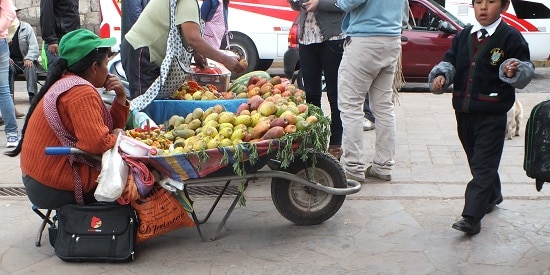
Local woman selling fruits from a wheelbarrow
Liquids
Water is one of the biggest things to watch in Peru. Most travelers should avoid drinking tap water. Stick to sealed bottled water, properly filtered water, or boiled water. Always check that the bottle seal is intact before drinking.
Be careful with ice, juices, and smoothies if you are not sure what water was used. In more tourist-focused restaurants, ice is often made from purified water, but if you are unsure, ask or skip it. Tea and coffee are usually fine when made with properly boiled water.
See a Doctor, Don’t Wait.
A common mistake travelers make in Peru is waiting too long before getting medical advice. Sometimes stomach problems pass quickly, but if you are losing fluids, not improving, or feeling weak, it is better to speak to a doctor early than lose several days of your trip.
Seek medical help quickly if you have:
- blood in your stool;
- high fever;
- repeated vomiting or inability to keep fluids down;
- signs of dehydration, such as dizziness, very dark urine, or extreme weakness;
- diarrhea that is severe or not improving;
- altitude symptoms that are getting worse rather than better.
Ask your hotel, hostel, guide, or travel insurance provider for a recommended clinic. In Peru, private clinics are often the easiest option for travelers who need fast attention. Do not self-diagnose serious symptoms, and do not take antibiotics unless a medical professional advises it.
Small health kit to bring to Peru
You do not need to pack a pharmacy, but a small health kit can save a lot of stress, especially if you are taking long buses, trekking, or visiting high-altitude places.
- Oral rehydration salts
- Hand sanitizer
- Any stomach medication recommended by your doctor
- Basic pain relief you already know you tolerate
- Sunscreen and lip balm for altitude and dry air
- Your travel insurance details
- Copies of prescriptions for regular medication
If you have a sensitive stomach, medical condition, or are traveling with children, speak to a travel doctor before your trip and ask what they recommend carrying.
FAQ
-
Is it common to get sick in Peru?
Many travelers have no problems, but stomach issues and mild altitude symptoms are common enough that you should plan for them. Safe water, careful food choices, handwashing, and taking your first day at altitude slowly will reduce your risk.
-
Can I drink tap water in Peru?
Most travelers should avoid drinking tap water in Peru. Use sealed bottled water, properly filtered water, or boiled water. Be cautious with ice, fresh juices, and smoothies if you are not sure what water was used.
-
What should I do if I get traveler’s diarrhea in Peru?
Hydration is the priority. Oral rehydration salts can help replace fluids and electrolytes. If symptoms are severe, persistent, include blood or fever, or you cannot keep fluids down, speak to a doctor or clinic quickly.
-
Is altitude sickness common in Peru?
Altitude symptoms can happen in places like Cusco, Puno, Huaraz, and Colca, especially if you arrive quickly from Lima. Headache, tiredness, nausea, and poor sleep are common mild symptoms. Severe or worsening symptoms need medical attention.
-
Should I take antibiotics for stomach problems in Peru?
Do not take antibiotics casually or without medical advice. Some stomach problems pass with fluids and rest, while others need proper diagnosis and treatment. If symptoms are severe or not improving, ask a doctor rather than guessing.