



Civa Bus in Peru: 2026 Independent Guide
January 31, 2018Updated Date:
Author: The Only Peru Guide Editorial Team
Quick Summary:
What Civa Is—and Where It Goes
Civa Seat Classes and On‑Board Features
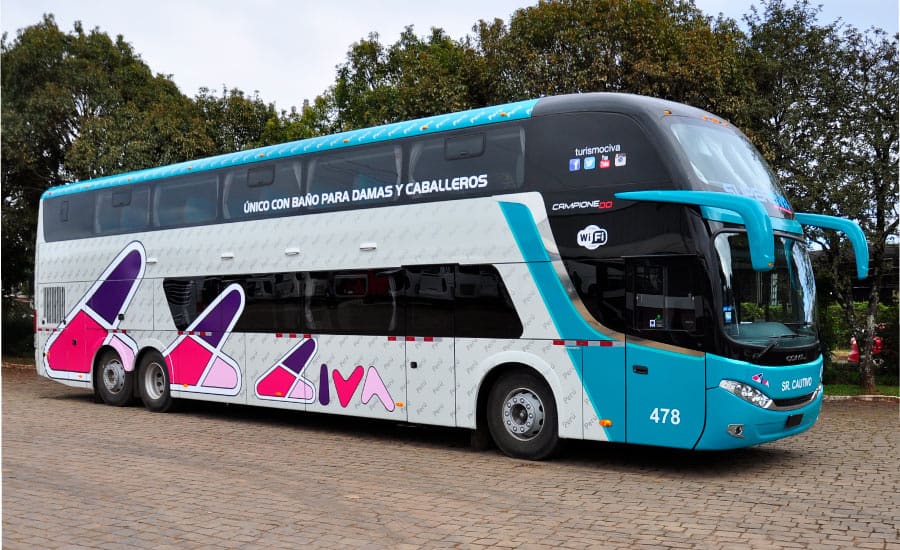
CIVA have 3 different types of buses in operation for transporting passengers and one type for carrying heavy loads:
- EXCLUCIVA: Marketed as “luxury,” but comfort and onboard features can be inconsistent—what’s available often depends on the specific bus and route.
- SUPERCIVA: A mixed setup that can feel uneven; seat comfort and overall experience vary, and the “extras” aren’t always a sure thing.
- ECONOCIVA: The most basic option—limited comfort and a very standard experience that can feel cramped on longer rides.
- CIVA CARGO: Convenient for sending items, but it’s still a bus-based delivery system, so timing and handling can be less predictable than dedicated courier services.
ENTERTAINMENT TIP: If looking for fun at night, or to watch sports during the day, or even a taste of home, visit the Wild Rover Hostels Chain for great food, sports and beer! Entrance to their bars is free even for non-guests
Are Civa Safe
Civa definitely provide a good standard of service with safe buses. However, as with many other Peruvian bus companies, they suffered a hijacking in March 2015, which happens quite often on some routes (especially on the shorter route from Lima to Cusco), because they take the slightly faster, more dangerous way. Along with this, there have also been videos of a bug manifestation on a Civa Bus.
To ensure traveller comfort, safety and security, tourist bus companies such as Peru Hop travel on the slightly longer, safest route to get from place to place which usually isn’t convenient for locals as it means travelling for longer. Locals, in general, need to get to their destinations faster, so for them, taking the risk of travelling with Civa or other local bus companies is not as much of a consideration.
Routes And Bus Schedules Covered
Civa cover a range of different cities in the North down towards the South to places like Puno and Cusco, and in more Central locations to Ayacucho and Chincha. All of Civa’s schedules and bus routes are available on their website.
Do We Recommend Taking Civa?
No—not as a first choice. Even on the higher classes, the experience can be inconsistent from route to route, and the higher price doesn’t always guarantee better comfort or service. Their cheaper services are typically much less comfortable, which makes long journeys tougher. Their more economical buses, however, are much less comfortable. Our recommendations for all travelers who are planning to travel around the south of Peru without sacrificing comfort while still on a budget is to travel with Peru Hop. In our opinion, they are much a safer option and a better bus company.
Terminals, Boarding and How Lima Works
Lima has no central bus station—each company uses its own depot, often far apart across a city notorious for heavy traffic. You’re expected to arrive ~45 minutes before departure, so build that into your timing for both outbound and return legs. For broader context and operator choices, see our Lima bus primer.
Safety: What to Expect and What Peru Requires
- Peru’s transport watchdog SUTRAN enforces a 90 km/h cap for public passenger buses on national highways and requires a visible in‑cabin speed display; passengers can report speeding to SUTRAN.
- SUTRAN reiterated the 90 km/h cap and live GPS monitoring in 2024–2025 advisories, noting >7,000 interprovincial buses tracked.
Reality check: Like other public companies, Civa has had isolated incidents over the years (including a 2015 hijacking reported at the time; travelers should always check recent reviews on their exact route). Peru’s consumer authority also sanctioned Transportes Civa with a 700‑UIT fine in 2020 over terminal licensing (first‑instance decision; appeal permitted).
Night vs day, downstairs vs upstairs
- On winding Andean routes, downstairs seats ride steadier and put you closer to exits; upstairs offers scenic views on daytime coast segments.
- For mountain corridors, aim for daytime legs when possible—visibility and response options are simply better.
Civa vs Alternatives: Which Fits Your Trip?
- Choose Civa if you want point‑to‑point ride on busy domestic corridors and you’re comfortable navigating local terminals in Spanish.
- Choose Peru Hop if you prefer hotel/hostel pickups, an onboard host, border and logistics help, and curated “hidden‑gem” stops (e.g., Slave Tunnels near Chincha, Paracas viewpoints). This model also sidesteps Lima terminal taxi runs and builds a community vibe on board.
- For the scenic Cusco–Puno “Sun Route,” Inka Express offers a full‑day, guided cultural service with multiple stops and now satellite Wi‑Fi noted for 2026—a very different product to a public night bus.
- Heading to Bolivia? Sister service Bolivia Hop runs Lima/Cusco–La Paz with border assistance and similar hop‑on flexibility.
FAQ
Is Civa safe for long‑distance travel?
Civa has basic safety features, but that doesn’t eliminate the main issue: consistency. Like most public lines, the experience can vary a lot by route, bus, and departure time, so it’s smart to treat it as “depends” and check very recent reviews for your exact corridor before committing. If you want hotel pickups, tourist‑only stops and onboard hosts, consider Peru Hop.
How early should I get to the terminal in Lima—and which terminal is it?
Arrive about 45 minutes before departure and double‑check the address; Lima lacks a central station and operators use different depots (Civa has separate addresses for Excluciva vs. other classes in La Victoria). Heavy traffic can easily add 30–60 minutes each way.
Can Civa take me directly to Huacachina or the Slave Tunnels near Chincha?
Public buses are licensed for terminal‑to‑terminal service only; they can’t enter hotel zones or stop at tourist attractions. Tourist‑licensed buses—like Peru Hop—can pick up at hotels and access sites such as Huacachina and the Slave Tunnels.
How do I report unsafe speeding during my trip?
SUTRAN maintains a 90 km/h cap and provides channels to report violations; the in‑cabin display must show speed. You can alert SUTRAN’s monitoring center using the published contact channels in their advisories.
Limitations
Bus timetables, fleets and policies change frequently, and trip quality varies by exact unit, driver and weather—always re‑check directly with Civa 24–72 hours before travel and scan recent route‑specific reviews. If information is missing or inconsistent, use Civa’s own pages plus SUTRAN and a comparison site (then book direct) to minimize surprises.
Source
This article is a part of our series “2025 Travelers Choice”. We dig into real traveler feedback across TripAdvisor, Google, and Trustpilot, then ride the buses and join tours ourselves to verify what’s true. Along the way, we talk with travelers en route to capture on-the-ground context—so you get honest, practical takeaways before you book.
YOU MAY LIKE

Lima to Machu Picchu – Agencies DON’T want you to read this!

#1 Rated Day Trips From Lima To Unforgettable Destinations

Everything You Need to Know to Avoid the Typical Tourist Mistakes At Machu Picchu

What NOT To Do When Visiting Rainbow Mountain

Spend 50% less and see 100% more in Peru

Machu Picchu Tickets – All You Need To Know!

These Hidden Destinations Just Outside Of Lima Will Blow Your Mind!

Peru – How to Avoid Being a Typical Tourist

OFFICIAL: This Company Was Voted The Best Way To Get Around Peru

Peruvian Travel Secrets That Only The Locals Know