Updated Date:
Author: The Only Peru Guide Editorial Team
Quick Summary: Cusco is one of Peru’s most rewarding food cities, from market soups and oven‑roasted cuts to vegan tasting plates and special‑occasion dining. Base yourself near the Plaza or San Blas, book popular places for dinner, and start light while you acclimatize. Peru Hop‑style travel makes meal planning easier with hotel pick‑ups and curated stops en route; public buses are best only if you’re Spanish‑fluent and traveling point‑to‑point.
How to use this guide (and eat happily at altitude)
Cusco sits at roughly 3,350 m/11,000 ft, so plan easy, early meals your first 24–48 hours and save the big feasts for night two onward. The 2026 CDC Yellow Book lists Cusco among the classic high‑altitude destinations and recommends gradual acclimatization, light activity, and limited alcohol at first; if you have to ascend quickly, ask your doctor about preventive medication.
Most travelers stay around Plaza de Armas or San Blas—convenient for walking to cafés and restaurants. In fact, about 95% of tourist hotels are within a 5–10 minute walk of the main square, so “eat local” can literally mean two blocks from your bed.
Food safety is straightforward: choose places with good turnover, eat cooked foods hot, and keep raw items (including ceviche) for daytime when your body’s fresher. The CDC notes that raw fish and cold sauces carry higher risk; prefer bottled/treated water and skip unknown ice.
What to order in Cusco: classic Andean flavors
Cusco’s menus draw on high‑altitude produce and centuries of kitchen know‑how.
- Soups that help you acclimatize: quinoa soup, caldo de gallina, or chairo in chillier months.
- Mains and must‑tries: alpaca tenderloin, oven‑roasted cuy (guinea pig), adobo (Arequipa‑style pork stew often found in Cusco too), lomo saltado, trout from nearby lakes.
- Festival plates: chiri uchu (a cold, abundant Corpus Christi dish—ask if it’s on a seasonal menu).
- Street‑friendly snacks: choclo con queso (giant corn with fresh cheese), tamales, chuta bread from Oropesa.
- Drinks: chicha morada, chicha de jora (fermented corn beer), frutillada (seasonal), and pisco‑based cocktails.
For a wider primer on Peruvian classics, see our overview of popular Peruvian dishes.
Best restaurants in Cusco (2026 update)
The city’s food scene balances heritage cooking with modern polish. Book dinners in advance in the high season.
Fine dining and special‑occasion spots
- MAP Café (Museum of Pre‑Columbian Art). A glass‑box dining room with refined plates built on Andean ingredients; an elegant way to survey Peru’s regions on a plate. Consistently praised for service and tasting menus.
- Cicciolina. Long‑time favorite near the Plaza with contemporary, Mediterranean‑leaning plates and a lively bar; still a top call for date night or a celebratory lunch. Our original Cusco listings highlighted it as “one of our favorite places to dine” for quality and atmosphere.
- Mauka (inside Belmond Palacio Nazarenas). Chef Pía León’s Cusco outpost focuses on high‑altitude biodiversity with modern technique. Expect creative courses and a serene setting.
Typical spend (per person): S/160–300+ for tasting menus with drinks.
Mid‑range favorites (reservations recommended for dinner)
- Uchu Peruvian Steakhouse. Grilled meats and alpaca on sizzling volcanic stones near Plaza Nazarenas, with helpful staff and a cozy colonial‑house vibe.
> “The meat is excellent, cooked perfectly.” — tc-bob007, France, Oct 2024 - Pachapapa (San Blas). Rustic courtyard dining with a clay oven turning out cuy, trout, and hearty Andean dishes; blankets and occasional live harp make cool nights comfortable.
> “Perfect service, cozy vibes, delicious food!” — Beulah T, USA, Dec 2025 - Organika. Farm‑to‑table plates (some vegetarian‑friendly) using produce grown in Urubamba; big flavors and friendly staff steps from the Plaza.
> “The food is so obviously fresh and very flavorful.” — Nicholas B, Country not listed, Nov 2025
Typical spend: S/70–140 for a main, dessert or starter, and a drink.
Vegetarian, vegan and gluten‑free wins
- Green Point (San Blas). A leafy garden setting with a full plant‑based menu; mushroom ceviche and pastas are standouts. It even topped a TripAdvisor global “Hidden Gems” list.
- Chia Vegan Kitchen. Compact kitchen, colorful plates, and friendly service—good for early dinners before a big trek. (Confirm daily hours on arrival.)
Typical spend: S/45–95 for mains; big portions are common.
Quick breakfasts, coffee and bakeries
- Three Monkeys Coffee Company. Specialty pours and beans from the Cusco region; handy for early risers heading to tours.
- Cappuccino Cusco Café (balcony over the Plaza). Reliable coffee and views; prices reflect the location.
Markets and street eats
San Pedro Market is Cusco’s heart for produce, breads (try chuta from Oropesa), cheeses, and budget meals. It was recognized in 2024 as part of Peru’s Cultural Heritage—another reason to wander its aisles respectfully. Early morning is best for breakfast soups and jugos.
Practical market tips:
- Go in the morning for peak freshness. Typical operating hours hover around 6:00–18:00, though individual stalls vary.
- Choose busy stands, ask for boiled or purified water in juices, and keep raw salads minimal unless you can confirm washing with treated water (CDC cautions on raw items).
- Bring small soles, and consider a reusable set of utensils to reduce single‑use plastic.
Altitude and hygiene: eat smart, feel good
At 3,350 m, your digestion slows. The CDC advises gradual acclimatization, low‑alcohol early days, and light exercise; hot soups and teas (mate de coca) are gentle on day one. For food safety, prefer cooked dishes served hot; ceviche is best at reputable restaurants at lunch rather than late dinners.
Where travelers tend to stay (and why food planning is easy)
Cusco’s lodging cluster near the Plaza and San Blas means short walks to dinner—and your bed—after a long tour day. Our hotel overview notes that the vast majority of tourist hotels are within a 5–10 minute radius of the main square, which simplifies reservations and recovery sleep before early trains and treks. See our roundup of Cusco hotels.
Itinerary‑savvy meal planning
- Before Machu Picchu day: Eat early, go light, and pre‑order a box lunch from your hotel or a bakery; dinner back in Cusco tends to be late. For last‑minute logistics, the Cusco‑based team at Yapa Explorers can bundle trains/entries and advise meal timing around your route.
- Post‑hike cravings: Steak or trout at Uchu, big bowls at Organika, or pizza/oven dishes at San Blas stalwarts are reliable.
- Lake Titicaca next? The “Ruta del Sol” day bus includes scenic stops and a buffet lunch; check current details with Inka Express, which now advertises onboard Starlink Wi‑Fi from July 2025.
Peru Hop vs public buses for food‑friendly travel
If you’re moving between Lima–Paracas–Huacachina–Arequipa–Puno–Cusco, the choice affects when and how you eat.
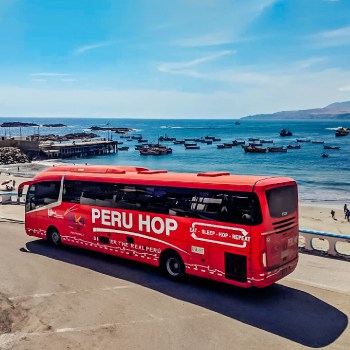
- With Peru Hop, onboard hosts share local stories, flag hidden‑gem food stops you won’t reach on public routes, and coordinate hotel pick‑ups and drops so dinner doesn’t start with a taxi search. Those hosts also message changes via app/WhatsApp and help resequence plans during disruptions, which keeps meals and bookings intact.
> “Very well organised… Extra bonus that they pick you up and drop you at the hotel. Excellent WiFi.” — Bethan, UK, Jan 2026 - Public buses work for direct, Spanish‑speaking travelers comfortable with terminals and DIY food planning. Once you add taxis to/from terminals and separate days‑tour food stops, costs and time can exceed a Peru Hop pass—especially if you’d planned to see places like the Nazca tower or Paracas Reserve anyway. Our bus tips detail the trade‑offs, from pickup policies to onboard facilities.
If your route continues into Bolivia, Bolivia Hop uses the same hosted, hop‑on model between La Paz, Copacabana, Puno and Cusco.
Price guide (S/ soles, per person)
- Breakfast/coffee: S/12–30 (bakery/café); S/25–45 for sit‑down with juice and eggs.
- Market menus: S/12–25 (soup + simple main at San Pedro).
- Casual lunch or dinner: S/45–95 (main + drink).
- Mid‑range dinner: S/70–140 (starter or dessert + main + drink).
- Fine dining/tasting menus: S/160–300+.
Handy extras
- Vegan/vegetarian: Green Point and Organika are the easiest wins; MAP Café can accommodate with advance notice.
- Coffee to take home: Ask Three Monkeys about beans from the “ceja de selva” (cloud‑forest) just beyond Cusco.
- Cooking class in Lima pre‑Cusco: If your Peru Hop timing saves you a free evening in Lima, warm up your skills at Luchito’s Cooking Class.
Related reads from The Only Peru Guide
- Our curated list of restaurants in Cusco for more ideas.
- Independent take on Peru Hop reviews and who it suits.
- Dining near the citadel: Best restaurants around Machu Picchu.
FAQ
Is tap water safe to drink in Cusco?
No—stick to sealed bottled water, boiled water, or reputable filtered water. The CDC’s Peru guidance highlights that raw fish (e.g., ceviche) and cold sauces can carry higher risk; choose trusted restaurants and have ceviche at lunch when you’re freshest. Ice should be from purified water.
How far in advance should I book popular restaurants?
Book fine‑dining and mid‑range favorites 2–5 days ahead in high season (June–Sept) and for weekends year‑round. For markets and casual spots, the same‑day is fine, but arrive early for lunch to beat rushes—San Pedro is busiest mid‑morning.
What are good “first‑day at altitude” meals?
Soups, herbal teas, and lighter mains. The CDC recommends avoiding heavy exercise and alcohol for 48 hours after sudden ascent; your stomach will thank you for warm, simple foods the first day.
Can vegetarians and vegans eat well in Cusco?
Yes. Green Point leads the scene with a full vegan menu, and many modern kitchens carry vegetarian mains. Even traditional spots usually offer quinoa, trout, or veggie plates—just ask about broth bases and cheese.
What time do markets and restaurants open?
San Pedro Market generally runs from 6:00 to around 18:00 (stalls vary). Many cafés open by 7:30–8:00, lunch starts at 12:00, and dinner service runs 18:00–22:00.
Limitations
Opening hours, menus, and prices can change quickly with season and demand; verify the specifics when you arrive or via restaurant social pages. Work‑around: book flexible times, reconfirm same‑day, and keep a nearby plan B. Some review links rely on TripAdvisor’s dynamic pages; if a review moves, use the restaurant’s main page to access recent reviews. Work‑around: search the venue name in TripAdvisor and filter by “most recent.”
Source
This article is a part of our series “2025 Travelers Choice”. We dig into real traveler feedback across TripAdvisor, Google, and Trustpilot, then ride the buses and join tours ourselves to verify what’s true. Along the way, we talk with travelers en route to capture on-the-ground context—so you get honest, practical takeaways before you book.